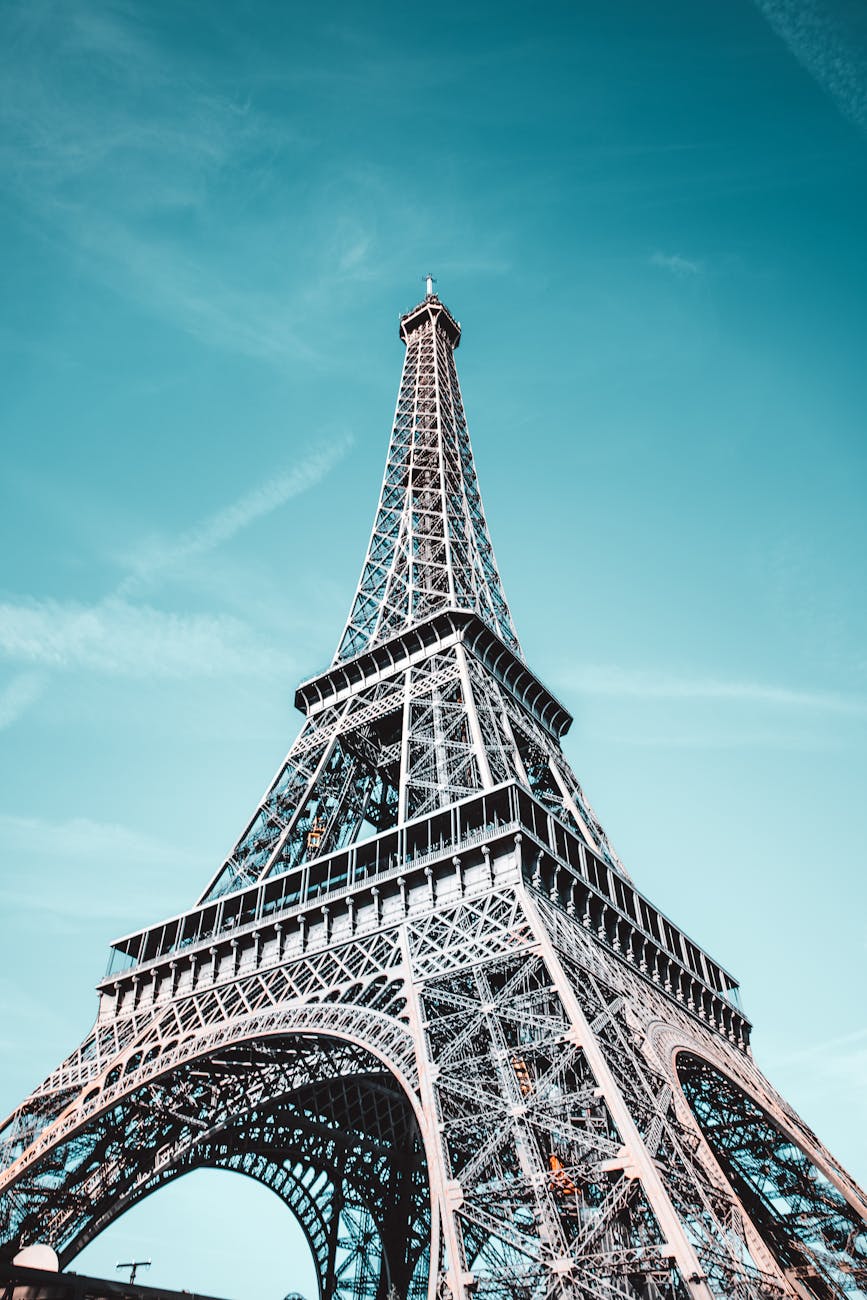
France is renowned for its rich cultural heritage, exquisite cuisine, and iconic landmarks such as the Eiffel Tower and the Louvre Museum. Here are the reasons why you must go and visit France.
France, a country in Western Europe, is celebrated for its rich cultural heritage, exquisite cuisine, and iconic landmarks. From the romantic streets of Paris, home to the Eiffel Tower and the Louvre Museum, to the picturesque vineyards of Bordeaux and the lavender fields of Provence, France offers a diverse array of experiences. The French Riviera, with its glamorous beaches and vibrant nightlife, contrasts beautifully with the historic castles of the Loire Valley. Known for its contributions to art, fashion, and philosophy, France continues to be a global center of culture and innovation. Whether exploring the medieval towns of Normandy or savoring a croissant in a quaint café, France captivates visitors with its charm and elegance.
The fact that I lived at the French-side of Switzerland for 5 years, it wouldn’t come as a surprise that we had visited France so many times, not only for sightseeing and exploring like any tourists would do; but also, for buying food and other living commodities, like any other frontaliers would do (because living in Switzerland doesn’t come cheap).
We would frequently visit the nearby town of Divonne for our groceries and for the interesting finds in its weekend market. We would either take boat trips in Lake Geneva to take our guests for a touristy visit to Yvoire; or drive them along and spend a day at the beautiful town of Annecy. We visited nearby thermal spa towns like Aix-les-Bains, Evian-les-Bains, and Thonon-les-Bains.
We also visited the infamous Alsace and enjoyed its popular cuisine. We would head off to the city of Lyon for some serious shopping and relish Lyonnaise gastronomy. We can visit the most-visited place at the French Alps, Chamonix Mont-Blanc, but we’re ironically not serious skiers (and I’m never interested to ever learn it either). At wintertime, we would forage on the classic Savoy dishes, which share a few of Swiss known dishes such as fondue and raclette, and as always, hearty, generous, warm and comforting.
My first visit to Paris was an exciting and fun time together with my partners-in-crime, but it was also an eye-opening experience. Paris wasn’t really a postcard-city kind that you’d swoon and romanticized over. The city can be chaotic and messy, the people rude and intimidating, and the contrasting lifestyles are very obvious. Anyhow, despite all that, I’ll give Paris another chance to prove itself, and that I will fall under its spell.
In 2016, we went for a 2-week road trip around France as our babymoon, before I gave birth to my firstborn. We enjoyed our stay in the Provence region and went on to visit notable places on the west side of the country, particularly Saint-Emilion and Mont-Saint-Michel. Five years later, and a year after the pandemic breakout in 2020, we went for a summer vacation in France with close friends in Provence.
So, here are the places in France that I’ve been so far, most of which were the ones we visited during our babymoon in 2016, and the others were the ones that we visited several times while we were living in Switzerland.
Paris
Paris, France’s capital and largest city, is renowned for its rich history, iconic architecture, and profound cultural influence on art, fashion, and cuisine. The city sits along the Seine River and is home to world-famous landmarks like the Eiffel Tower, the Louvre Museum, and Notre-Dame Cathedral. With its charming boulevards, sidewalk cafés, and romantic atmosphere, Paris attracts millions of visitors annually and remains one of the most beloved destinations in the world.
Lyon
Lyon is France’s third-largest city, situated at the confluence of the Rhône and Saône rivers in the east-central part of the country. Known as the gastronomic capital of France, it boasts a rich culinary tradition with famous bouchons (traditional restaurants) and has produced legendary chefs like Paul Bocuse. The city’s historic center, including the Renaissance old town of Vieux Lyon and the Roman ruins on Fourvière hill, is recognized as a UNESCO World Heritage Site.
Avignon
Avignon is a historic city in southeastern France, located along the Rhône River in the Provence region. It served as the seat of the Catholic popes from 1309 to 1377, a period known as the Avignon Papacy, and is famous for its magnificent medieval Palais des Papes (Palace of the Popes), one of the largest Gothic buildings in Europe. The city is also renowned for its well-preserved medieval walls and the famous Pont d’Avignon bridge, immortalized in the French children’s song “Sur le Pont d’Avignon.”
Reims
Reims is a historic city in northeastern France, located in the Champagne region about 130 kilometers east of Paris. The city is renowned for its stunning Gothic cathedral, Notre-Dame de Reims, where French kings were traditionally crowned for over a millennium. Reims is also celebrated as one of the capitals of Champagne production, with famous champagne houses like Veuve Clicquot, Taittinger, and Pommery offering tours of their underground cellars carved into ancient chalk quarries.
Annecy
Annecy is a picturesque town in southeastern France, nestled between the Alps and the pristine Lake Annecy, often called the “Venice of the Alps” due to its charming canals and medieval old town. The town is famous for its stunning turquoise lake, considered one of the cleanest in Europe, which offers swimming, boating, and a scenic cycling path that circles its shores. Annecy also hosts an internationally renowned animated film festival each June, drawing filmmakers and animation enthusiasts from around the world.
Mont-Saint-Michel
Mont-Saint-Michel is a stunning medieval abbey perched atop a rocky island off the coast of Normandy, France, connected to the mainland by a causeway that becomes submerged during high tides. The UNESCO World Heritage site has been a pilgrimage destination since the 8th century and features remarkable Gothic architecture that seems to rise dramatically from the sea. With its narrow winding streets, fortified walls, and breathtaking views across the bay, it remains one of France’s most iconic and visited landmarks.
Arles
Arles is a historic city in southeastern France, located in the Provence region along the Rhône River. The city is renowned for its exceptional Roman monuments, including a well-preserved amphitheater and ancient theater that are UNESCO World Heritage Sites. Arles also gained fame as the home of Vincent van Gogh during a prolific period of his artistic career, when he created over 300 paintings and drawings inspired by the city’s luminous landscapes and vibrant colors.
Saint-Emilion
Saint-Émilion is a picturesque medieval village in the Bordeaux wine region of southwestern France, renowned for producing some of the world’s finest red wines. The town itself is a UNESCO World Heritage Site, featuring stunning Romanesque churches, including a remarkable monolithic church carved directly into limestone rock, and ancient cobblestone streets lined with wine shops and cafés. The surrounding vineyards, with their prestigious appellations like Saint-Émilion Grand Cru, have been cultivating Merlot and Cabernet Franc grapes for centuries, making the area a pilgrimage site for wine enthusiasts from around the globe.
Alsace
Alsace is a picturesque region in northeastern France, nestled between the Vosges Mountains and the Rhine River along the German border. The region is famous for its charming half-timbered villages, world-class white wines like Riesling and Gewürztraminer, and a unique blend of French and German cultural influences reflected in its architecture, cuisine, and dialect. Strasbourg, the capital of Alsace, is home to the European Parliament and features a stunning Gothic cathedral with one of the most beautiful Christmas markets in Europe.
Normandy
Normandy is a historic region in northwestern France known for its dramatic coastline, picturesque countryside, and rich cultural heritage. The region played a pivotal role in World War II history as the site of the D-Day landings on June 6, 1944, when Allied forces stormed its beaches to begin the liberation of Western Europe. Today, Normandy attracts visitors with its charming seaside towns, impressive medieval architecture including the iconic Mont-Saint-Michel, and culinary specialties like Camembert cheese and apple-based cider and Calvados.
Provence
Provence is a stunning region in southeastern France, renowned for its lavender fields, charming hilltop villages, and Mediterranean coastline. The area has inspired countless artists, including Van Gogh and Cézanne, with its exceptional quality of light and picturesque landscapes dotted with olive groves and vineyards. Provence is also celebrated for its distinctive cuisine featuring herbs like rosemary and thyme, its bustling outdoor markets, and its relaxed lifestyle that embodies the art of living well.
Mont-Ventoux
Mont Ventoux is an iconic mountain in Provence, France, rising to 1,909 meters and known for its distinctive bare, limestone summit that resembles a lunar landscape. The mountain is legendary in professional cycling, having featured in the Tour de France numerous times as one of the race’s most challenging and prestigious climbs. Its diverse ecosystems range from Mediterranean vegetation at the base to alpine conditions at the peak, and on clear days, the summit offers breathtaking panoramic views stretching from the Alps to the Mediterranean Sea.
Yvoire
Yvoire is a picturesque medieval village located on the southern shore of Lake Geneva (Lac Léman) in the Haute-Savoie department of France. The village is renowned for its well-preserved 14th-century architecture, including stone houses adorned with colorful flowers and the imposing Château d’Yvoire that overlooks the lake. Classified as one of “Les Plus Beaux Villages de France” (The Most Beautiful Villages of France), Yvoire attracts visitors with its charming cobblestone streets, artisan shops, and the award-winning Garden of Five Senses (Jardin des Cinq Sens).
Dijon
Dijon is a historic city in eastern France, best known as the capital of the Burgundy wine region and the birthplace of the famous Dijon mustard. The city boasts a stunning medieval and Renaissance architectural heritage, including the Palace of the Dukes of Burgundy and colorful glazed-tile roofs that have become iconic symbols of the region. Today, Dijon is a vibrant university town that combines its rich cultural history with modern amenities, excellent cuisine, and easy access to some of France’s most celebrated vineyards.
Troyes
Troyes is a historic city in northeastern France, located in the Champagne region about 150 kilometers southeast of Paris. The city is renowned for its remarkably well-preserved medieval old town, featuring colorful half-timbered houses, narrow cobblestone streets, and stunning Gothic churches that date back to the Middle Ages. Troyes was also an important center of commerce and trade fairs during medieval times, and today it’s known for its factory outlet shopping centers as well as its rich architectural heritage.
Aix-les-Bains
Aix-les-Bains is a charming spa town located in the Savoie department of southeastern France, nestled on the eastern shore of Lac du Bourget, France’s largest natural lake. The town has been renowned since Roman times for its thermal springs, which attracted visitors seeking therapeutic treatments and relaxation at its elegant Belle Époque bath establishments. Today, Aix-les-Bains remains a popular destination for wellness tourism while also offering beautiful lakeside scenery, water sports, and easy access to the nearby French Alps.
Haute-Savoie
Haute-Savoie is a picturesque department in the Auvergne-Rhône-Alpes region of southeastern France, nestled in the French Alps along the borders with Switzerland and Italy. The area is renowned for its stunning mountain scenery, including Mont Blanc—the highest peak in Western Europe—and world-famous ski resorts like Chamonix, Megève, and Annecy. Beyond winter sports, the region attracts visitors year-round with its crystal-clear Lake Annecy, charming alpine villages, and excellent opportunities for hiking, mountaineering, and enjoying traditional Savoyard cuisine.

 What's Up With Perpie Lately