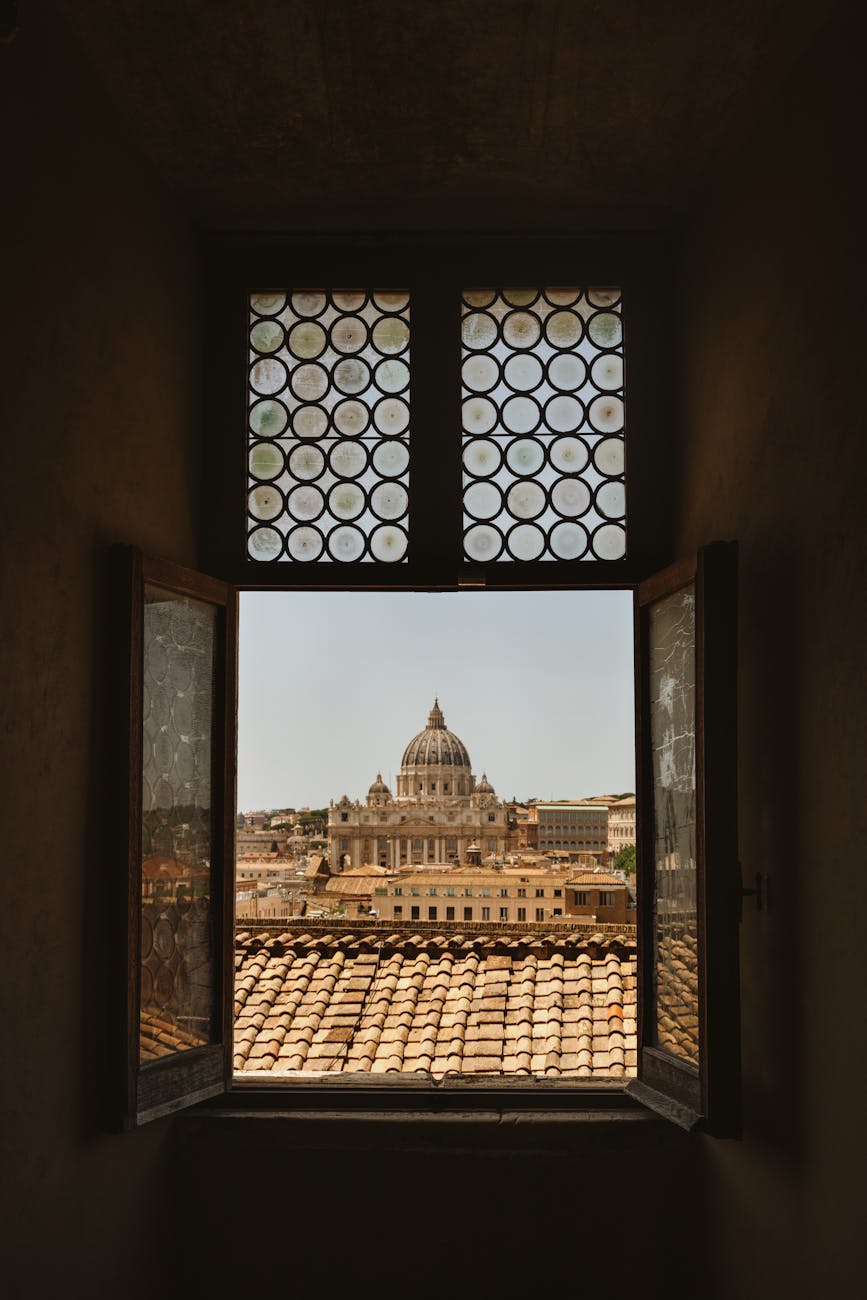
Vatican City is a must-visit destination for travelers interested in world-class art, architecture, and religious history, all packed into the smallest country in the world. Here are a few reasons why you must go and visit Vatican City.
Vatican City is worth visiting for its unparalleled concentration of artistic, architectural, and spiritual treasures, all within the world’s smallest independent state. From the awe-inspiring Sistine Chapel ceiling painted by Michelangelo to the grandeur of St. Peter’s Basilica, every corner offers a glimpse into centuries of history and devotion. Whether drawn by faith, art, or curiosity, Vatican City provides a deeply enriching experience that leaves a lasting impression.
I’ve been to Vatican City many times. In 2011 when I went for my very first solo trip to Rome, then in 2012 with two of my friends this time visiting Rome again for the second time, and in 2022 when Lola and I went for a week to Rome and that for sure a visit to the Vatican is a must. Tossing that coin in the Trevi Fountain really did a miracle on me, I just kept coming back to Rome, and Vatican City to boot!
I will never grow tired of visiting the Vatican because every trip reveals something new—whether it’s the intricate details of Michelangelo’s Sistine Chapel, the solemn majesty of St. Peter’s Basilica, or the vibrant energy of St. Peter’s Square. The combination of breathtaking art, profound history, and living spiritual tradition creates an atmosphere that is both humbling and inspiring. Each visit feels like a journey through centuries of creativity and devotion, making it impossible for the experience to ever become routine or lose its magic. So yeah, I surely wouldn’t mind visiting Rome again.
St. Peter’s Basilica
St. Peter’s Basilica in Vatican City is one of the most iconic and spiritually significant churches in the world, built over the tomb of Saint Peter, the first pope and one of Jesus’s apostles. Designed by renowned artists including Michelangelo and Bernini, the basilica showcases a blend of Renaissance and Baroque architecture, with its massive dome dominating the Roman skyline. As a major pilgrimage site and a symbol of the Catholic Church, it draws millions of visitors annually who come to admire its art, history, and sacred atmosphere.
Sistine Chapel
The Sistine Chapel, located within the Apostolic Palace in Vatican City, was commissioned by Pope Sixtus IV and consecrated in 1483 as a private papal chapel. It is world-renowned for its breathtaking Renaissance frescoes, especially Michelangelo’s ceiling masterpiece painted between 1508 and 1512, and The Last Judgment on the altar wall completed in 1541. Beyond its artistic significance, the chapel serves as the site of the papal conclave, where new popes are elected, making it a place of profound religious and historical importance.
St. Peter’s Square
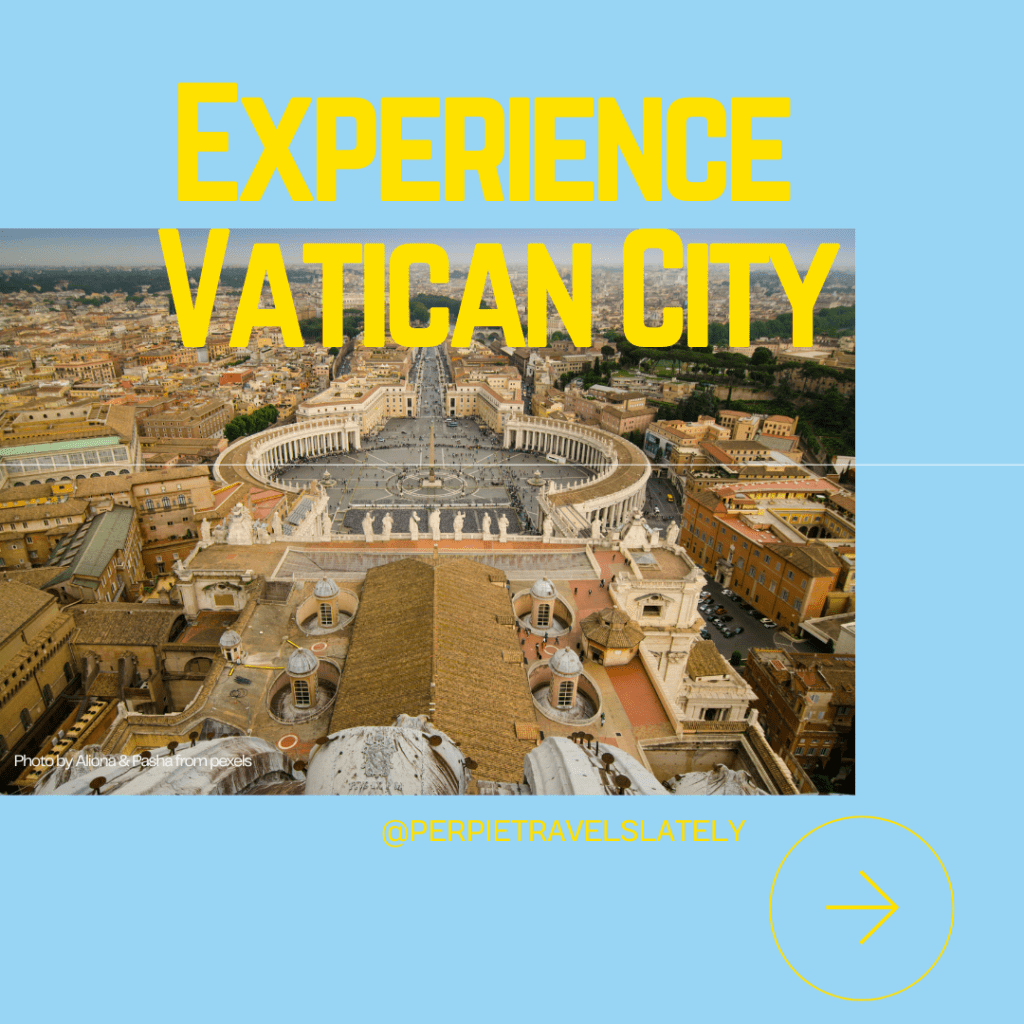
St. Peter’s Square, or Piazza San Pietro, is the grand forecourt of St. Peter’s Basilica in Vatican City, designed by Gian Lorenzo Bernini between 1656 and 1667 under Pope Alexander VII. Its sweeping elliptical shape and massive colonnades symbolize the welcoming arms of the Catholic Church, embracing pilgrims and visitors from around the world. At its center stands an ancient Egyptian obelisk, flanked by two fountains, creating a harmonious and awe-inspiring space that has hosted countless papal blessings and historic gatherings.
Vatican Museums
The Vatican Museums, founded in the early 16th century by Pope Julius II, house one of the world’s most extensive and treasured art collections, with over 70,000 works, including masterpieces from ancient Egypt, classical antiquity, and the Renaissance. Visitors can explore iconic spaces such as the Sistine Chapel, Raphael Rooms, and the Gallery of Maps, each showcasing the artistic legacy of great masters like Michelangelo and Raphael. Spanning nearly 7 kilometers of galleries and halls, the museums reflect centuries of papal patronage and serve as a profound journey through art, history, and faith.
Raphael Rooms
The Raphael Rooms, or Stanze di Raffaello, are a suite of four lavishly decorated chambers in the Vatican Museums, originally commissioned by Pope Julius II in the early 16th century as part of his private apartments. Painted by Raphael and his workshop between 1508 and 1524, the rooms feature iconic frescoes such as The School of Athens, The Fire in the Borgo, and The Mass at Bolsena, which exemplify the ideals and grandeur of the High Renaissance. These rooms—Room of the Segnatura, Room of Heliodorus, Room of the Fire in the Borgo, and Hall of Constantine—remain a highlight of the Vatican Museums, showcasing Raphael’s genius in composition, color, and philosophical symbolism.
Pinacoteca Vaticana
The Pinacoteca Vaticana, inaugurated in 1932, is the Vatican Museums’ dedicated art gallery, housing an exceptional collection of over 460 paintings spanning from the 12th to the 19th century. Organized chronologically across 18 rooms, the gallery features masterpieces by iconic artists such as Raphael, Leonardo da Vinci, Caravaggio, Giotto, and Titian, including Raphael’s Transfiguration and Caravaggio’s Deposition from the Cross. Designed to optimize natural lighting and preserve the artworks, the Pinacoteca offers a serene and enriching experience, making it a hidden gem for art lovers visiting Vatican City.
Laocoön Group
The Laocoön Group, housed in the Vatican Museums, is a dramatic marble sculpture depicting the Trojan priest Laocoön and his two sons being attacked by sea serpents—a punishment from the gods for warning against the Trojan Horse. Discovered in Rome in 1506 and immediately recognized as the masterpiece described by Pliny the Elder, it became a symbol of human agony and a major influence on Renaissance artists, including Michelangelo. Crafted by three Greek sculptors from Rhodes, the statue is celebrated for its intense emotional expression and dynamic composition, making it a quintessential example of Hellenistic baroque art.
Gallery of Maps
The Gallery of Maps in Vatican City is a stunning 120-meter-long corridor within the Vatican Museums, commissioned by Pope Gregory XIII in the late 16th century and painted by the cartographer Ignazio Danti. It features 40 large-scale frescoes depicting the regions of Italy and their principal cities, arranged along the walls with the Apennines serving as a central dividing axis—Tyrrhenian regions on one side and Adriatic on the other. The vaulted ceiling, richly decorated with religious and historical scenes, complements the maps and reflects the Church’s spiritual and territorial influence during the Renaissance.
Vatican Gardens
The Vatican Gardens, covering about 23 hectares, are a serene and beautifully landscaped retreat within Vatican City, originally established in 1279 by Pope Nicholas III as a place of meditation and rest. These private gardens feature Renaissance and Baroque influences, with elegant fountains, sculptures, and exotic plants from around the world, including highlights like the Fountain of the Eagle and a replica of the Lourdes Grotto. Accessible only via guided tours, the gardens offer visitors a rare glimpse into the tranquil heart of the Vatican, with stunning views of St. Peter’s Basilica and a rich tapestry of history and nature.
Vatican Grottoes & Necropolis
The Vatican Grottoes and Necropolis, located beneath St. Peter’s Basilica, are sacred underground burial sites that hold immense historical and religious significance. The Vatican Grottoes, just a few meters below the basilica floor, house the tombs of over 90 popes, royalty, and religious figures, including chapels and monuments dating back to the 4th century. Deeper still lies the Vatican Necropolis, an ancient Roman cemetery where Saint Peter is believed to be buried, uncovered during secret excavations in the 1940s and now accessible via guided tours that reveal the very foundations of Christianity.
Apostolic Palace
The Apostolic Palace in Vatican City is the official residence of the Pope and the administrative center of the Holy See, encompassing over 1,000 rooms including the papal apartments, Vatican Museums, Vatican Library, and several chapels such as the Sistine Chapel and Raphael Rooms. Originally constructed in the 13th century and extensively expanded by successive popes, the palace is also known as the Papal Palace or Palace of Sixtus V, reflecting its historical and architectural evolution. While much of the complex remains private, select areas are open to the public, offering a glimpse into the rich religious, cultural, and political heritage of the Vatican.
Swiss Guard Ceremony
The Swiss Guard Ceremony in Vatican City is a solemn and symbolic event held annually on May 6, commemorating the heroic sacrifice of 147 guards during the Sack of Rome in 1527. During the swearing-in, new recruits—dressed in their iconic Renaissance-style uniforms—raise their right hands with three fingers extended to represent the Holy Trinity, and pledge to protect the Pope with loyalty, honor, and even their lives if necessary. The ceremony, often attended by the Pope, dignitaries, and families, includes music, national anthems, and heartfelt speeches, celebrating the values of discipline, faith, and service that define the Pontifical Swiss Guard.
Papal Audience
Attending a Papal Audience in Vatican City is a spiritually enriching experience where visitors gather to hear the Pope deliver a public address, offer blessings, and share reflections on faith and contemporary issues. Held most Wednesdays in St. Peter’s Square or the Paul VI Audience Hall (depending on the season and weather), the event is free but requires advance ticket reservations, with early arrival recommended to secure a good spot. The audience typically lasts 1.5 to 2 hours and includes prayers, greetings in multiple languages, and the opportunity to receive the Apostolic Blessing, making it a memorable moment for pilgrims and visitors from around the world.

 What's Up With Perpie Lately
You must be logged in to post a comment.