Germany is a diverse and vibrant country known for its rich history, cutting-edge innovation, fairy-tale castles, and lively cultural traditions. Here are a few reasons why you must go and visit Germany.
Germany is a fascinating destination that combines centuries of history with vibrant modern culture, making it ideal for travelers of all interests. From exploring fairy-tale castles and medieval towns to enjoying world-class museums and lively festivals, there’s something for everyone. Its efficient transportation, scenic landscapes, and welcoming atmosphere make discovering Germany both easy and unforgettable.
My first visit to Germany was in Berlin in 2011. Four years later, in 2015 together with my husband, we stayed in Frankfurt for a few days before we headed off to Austria. En route to Belgium from Austria, we stopped by Trier and stayed overnight. As our family grew, Germany became a frequent backdrop for our early parenting years. We explored the Eifel region in Autumn 2017 and enjoyed the charm of Konigswinter in Autumn 2018. Despite the pandemic in 2020, we made it back in the summer and stayed in the Hesse region; and we hadn’t had enough of it so we returned to Eifel to spend our Autumn holiday. Then four years later, in Summer 2024 during our road trip to Slovenia and north of Croatia, we stopped over in Ulm.
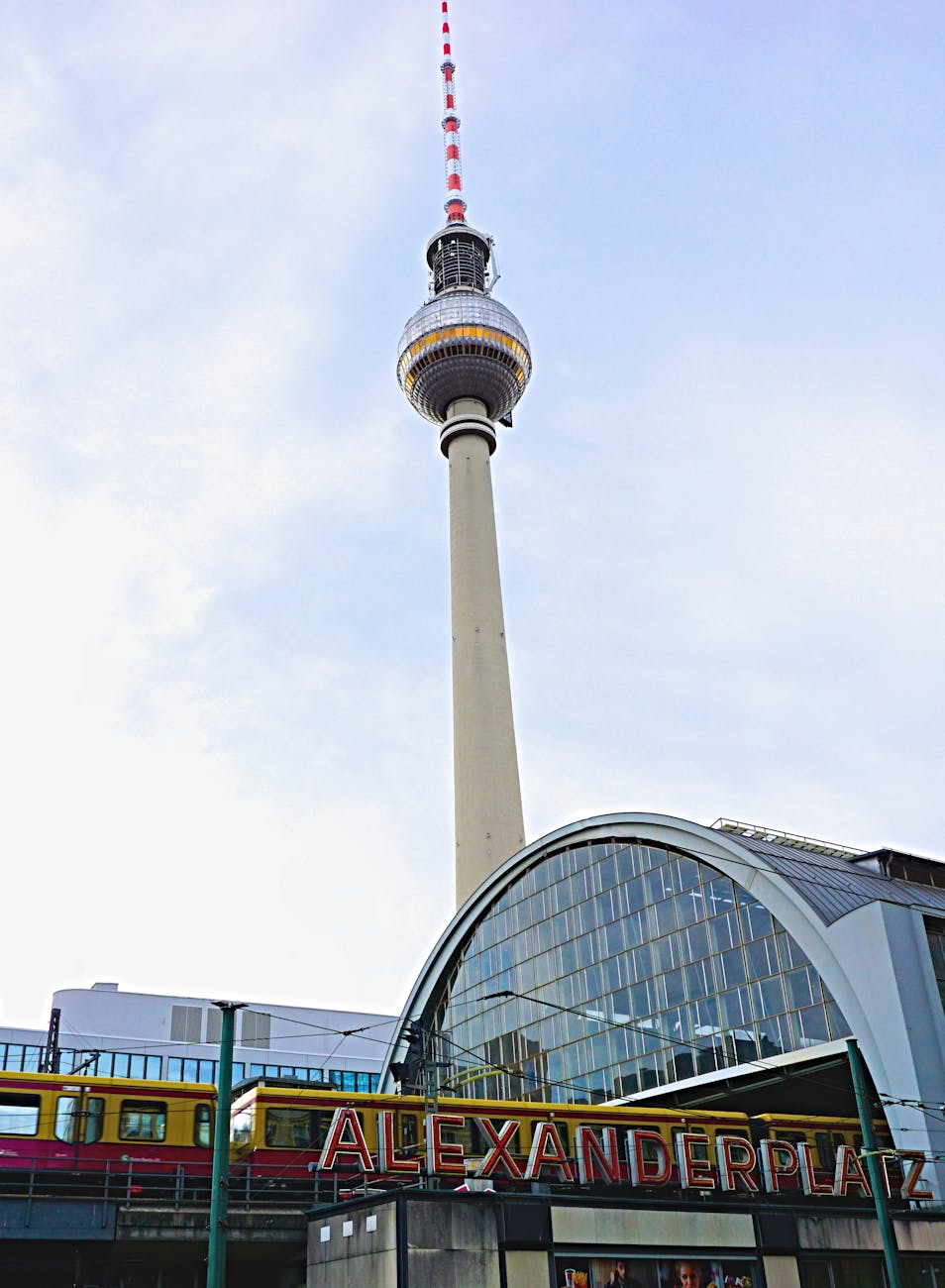
Berlin
Berlin is Germany’s capital and largest city, situated along the banks of the Spree River in northeastern Germany and serving as both a city and one of the country’s federal states. The city carries profound historical significance as the former divided capital during the Cold War, symbolized by the Berlin Wall that separated East and West Berlin from 1961 to 1989, and since reunification in 1990 has emerged as a vibrant, multicultural metropolis often described as the heart of Europe.
Berlin today is a dynamic hub of culture, art, politics, and innovation, featuring world-renowned landmarks like the Brandenburg Gate, the Reichstag building with its modern glass dome, Museum Island’s exceptional collections, the moving Memorial to the Murdered Jews of Europe, and thriving neighborhoods filled with creative energy, cutting-edge galleries, diverse cuisine, legendary nightlife, and an open, tolerant spirit that attracts millions of visitors annually.
Frankfurt
Frankfurt am Main is Germany’s fifth-largest city and the country’s financial powerhouse, hosting the European Central Bank, the German Stock Exchange, and one of the world’s most impressive skylines north of the Alps, earning it the nickname “Mainhattan” for its towering skyscrapers along the Main River. The city serves as a major international transportation hub with one of Europe’s busiest airports and an important railway junction, while also maintaining significant cultural depth as the birthplace of Johann Wolfgang von Goethe, Germany’s greatest literary figure, whose reconstructed childhood home stands in the charming Römerberg old town square.
Despite heavy World War II destruction, Frankfurt has successfully blended its reconstructed medieval core with modern architecture and serves as a cosmopolitan business center that hosts major trade fairs like the Frankfurt Book Fair, offering visitors a mix of cutting-edge commerce, banking institutions, excellent museums along the Museumsufer district, and a surprisingly green urban landscape with parks and gardens.
Munich
Munich is the capital and most populous city of Bavaria in southern Germany, situated along the Isar River about 30 miles north of the Alps, and ranks as the country’s third-largest city after Berlin and Hamburg. The city is world-renowned for hosting Oktoberfest, the planet’s largest beer festival, and boasts a thriving beer culture centered around historic beer halls like the legendary Hofbräuhaus, which has been serving traditional Bavarian brews since 1589.
Beyond its beer heritage, Munich is a sophisticated cultural and economic hub known for its stunning architecture including the Gothic Frauenkirche cathedral and Marienplatz with its famous Glockenspiel, world-class museums and art galleries, the expansive English Garden urban park, and its role as headquarters for major companies like BMW, Siemens, and Allianz, making it one of Europe’s wealthiest and most livable cities.
Cologne
Cologne is a vibrant city known for its iconic Gothic cathedral, the Kölner Dom, which dominates the skyline and attracts millions of visitors each year. The city boasts a rich cultural scene, with lively festivals, museums, and a historic old town along the scenic Rhine River. Cologne’s welcoming atmosphere and blend of tradition and modernity make it a favorite destination for travelers seeking both history and contemporary experiences.
Dresden
Dresden is the capital of Saxony in eastern Germany, situated along the scenic Elbe River and renowned for its magnificent Baroque architecture that earned it the nickname “Florence on the Elbe” before much of the city was devastated during World War II bombings in 1945. Following German reunification, Dresden has been meticulously reconstructed, with landmarks like the Frauenkirche church, the ornate Zwinger Palace, the Semperoper opera house, and the Renaissance Residenzschloss palace restored to their former splendor, showcasing the city’s rich cultural heritage as a former royal residence of Saxon electors and kings.
Today, Dresden combines its historical grandeur with a vibrant modern atmosphere, offering world-class museums including the Green Vault treasure chamber, thriving arts and music scenes, nearby Saxon Switzerland National Park for outdoor adventures, and the lively Neustadt district filled with colorful street art, craft beer bars, and contemporary culture.
Heidelberg
Heidelberg is famed for its romantic riverside setting, dominated by the striking ruins of Heidelberg Castle overlooking the Neckar River. The city’s charming old town is lined with Baroque buildings, lively squares, and one of the oldest universities in Europe, creating a vibrant atmosphere for both locals and visitors. With its blend of historical elegance and scenic beauty, Heidelberg offers an unforgettable experience for travelers seeking culture and picturesque views.
Black Forest
The Black Forest, or Schwarzwald, is a vast and enchanting region in southwestern Germany known for its dense evergreen forests, rolling hills, and charming half-timbered villages. Famed for inspiring fairy tales and for its traditional cuckoo clocks, the area offers scenic hiking and biking trails, crystal-clear lakes, and picturesque spa towns like Baden-Baden. Visitors are drawn to the Black Forest for its blend of natural beauty, cultural heritage, and opportunities to experience authentic regional cuisine and hospitality.
Aachen
Aachen is renowned for its impressive cathedral, a UNESCO World Heritage Site and the resting place of Charlemagne, which stands as a testament to the city’s rich medieval history. Located near the borders of Belgium and the Netherlands, Aachen is also famous for its historic thermal baths and vibrant student life, thanks to RWTH Aachen University. Visitors are drawn to its charming old town, lively cafés, and the unique blend of German, Belgian, and Dutch influences found throughout the city.
Konigswinter
Königswinter is a picturesque town nestled along the Rhine River in western Germany, celebrated for its scenic beauty and historic charm. The town is best known for the Drachenfels, a prominent hill topped by a romantic castle ruin, which offers breathtaking views of the surrounding vineyards and river valley. Visitors can also explore the delightful old town, enjoy riverside promenades, and take a ride on the historic Drachenfels Railway for an unforgettable experience.
Koblenz
Koblenz, Germany is a historic city situated at the confluence of the Rhine and Moselle rivers, offering stunning riverside views and a strategic location that has shaped its rich past. The city is famous for the Deutsches Eck (German Corner), where a grand monument marks the joining of the two rivers, as well as for the impressive Ehrenbreitstein Fortress overlooking the town. Visitors can wander through Koblenz’s charming old town, enjoy lively waterfront promenades, and experience a vibrant blend of history and modern culture.
Trier
Trier is renowned as the country’s oldest city, boasting a rich Roman heritage and impressive ancient landmarks. Key highlights include the Porta Nigra gate, the Roman amphitheater, and the imposing Trier Cathedral, all of which showcase the city’s historical significance. Nestled along the Moselle River, Trier offers visitors a charming blend of vibrant old town life, picturesque riverside scenery, and a deep sense of history.
Baden-Wurttemberg
Baden-Württemberg is a state in southwestern Germany formed in 1952 through the merger of three former territories, and today ranks as Germany’s third-largest state in both area and population, with its capital in Stuttgart. The region is renowned as one of Europe’s leading economic powerhouses, serving as headquarters for major corporations including Mercedes-Benz, Porsche, Bosch, and SAP, while maintaining a strong manufacturing tradition particularly in automotive and mechanical engineering industries.
Beyond its economic success, Baden-Württemberg offers exceptional natural beauty and cultural attractions, from the dense forests of the Black Forest and the scenic shores of Lake Constance to historic cities like Heidelberg, the spa town of Baden-Baden, and a landscape dotted with castles, vineyards, and charming half-timbered villages that make it one of Germany’s most diverse and visited regions.
Berchtesgaden National Park
Berchtesgaden National Park, nestled in the Bavarian Alps near the Austrian border, is renowned for its breathtaking alpine scenery and pristine natural landscapes. Visitors can explore dramatic mountain peaks, crystal-clear lakes like Königssee, and dense forests teeming with wildlife. The park offers a variety of outdoor activities, including hiking, boat tours, and opportunities to discover traditional Bavarian culture in nearby villages.
Saxon Switzerland National Park
Saxon Switzerland National Park, located in eastern Germany near the Czech border, is famous for its striking sandstone rock formations and dramatic cliffs rising above the Elbe River. The park offers a wealth of outdoor activities, including hiking, rock climbing, and cycling along scenic trails that wind through lush forests and picturesque valleys. Visitors can also discover charming villages and experience the unique natural beauty that has inspired artists and nature lovers for generations.
Harz Mountains
The Harz Mountains, located in central Germany, are known for their enchanting landscapes of dense forests, rugged peaks, and picturesque villages. The region offers a range of outdoor activities, such as hiking, cycling, and exploring the legendary Brocken, the highest peak in northern Germany, which is steeped in folklore. Visitors can also experience charming medieval towns like Wernigerode and Goslar, each offering a glimpse into the area’s rich cultural heritage.
Neuschwanstein Castle
Neuschwanstein Castle, perched on a rugged hill in Bavaria, is one of Germany’s most iconic landmarks and is renowned for its fairy-tale appearance. Commissioned by King Ludwig II in the 19th century, the castle features whimsical towers, ornate interiors, and stunning views of the surrounding Alps and Hohenschwangau valley. Its romantic design has inspired countless artists and even served as the model for Disney’s Sleeping Beauty Castle, making it a must-visit destination for travelers from around the world.
Burg Eltz
Burg Eltz is a medieval castle nestled in the hills above the Moselle River in western Germany. Surrounded by lush forests, it boasts striking towers, timber-framed architecture, and centuries-old artifacts that showcase its rich history. Still owned by the original Eltz family after nearly 900 years, the castle offers visitors a unique glimpse into Germany’s feudal past and stunning natural scenery.
Schwerin Castle
Schwerin Castle, located on an island in Lake Schwerin, is a breathtaking example of romantic historicism in northern Germany. With its elaborate turrets, grand halls, and picturesque gardens, the castle has served as a residence for dukes and now houses the state parliament of Mecklenburg-Vorpommern. Surrounded by water and lush landscape, Schwerin Castle captivates visitors with its fairy-tale charm and rich history.
Hamburg
Hamburg is Germany’s second-largest city and a major port metropolis situated on the Elbe River in northern Germany, serving as both a city and one of Germany’s federal states with a unique status as the Free and Hanseatic City that reflects its medieval independence and long maritime trading heritage. The city is defined by its extensive waterways including rivers, canals, and lakes like the Alster, earning it the nickname “Venice of the North” and boasting approximately 2,500 bridges—more than any other city in Europe—while its historic port remains
Germany’s largest and Europe’s third-largest after Rotterdam and Antwerp. Hamburg combines rich history with modern vibrancy, featuring architectural landmarks like the striking Elbphilharmonie concert hall, the historic Speicherstadt warehouse district designated as a UNESCO World Heritage Site, the famous Reeperbahn entertainment district where the Beatles launched their careers, and a thriving cultural scene that makes it one of Europe’s most dynamic and cosmopolitan destinations.

 What's Up With Perpie Lately
You must be logged in to post a comment.