Dubbed as the “city of gentle people,” Dumaguete is the capital, main seaport, and largest city of the province of Negros Oriental. Referred often as a university town, the city is a popular educational destination for students coming from Visayas and Mindanao.
My husband and I initially planned to visit Bohol, but an earthquake struck the said province in 2013. We decided to forgo the trip and go somewhere else. We chose to visit Dumaguete.
A promising itinerary is prepared for our stay in Dumaguete. Somehow along the way, yet, it did not go smoothly as we planned.
First, we missed taking the direct ferry trip to Dumaguete. We ended up staying in Bohol overnight, which turned out to be a quick surprise visit after all.
Then in Dumaguete, we got sick. We missed visiting the Sumilon and Apo islands. We also missed Oslob for whale shark watching.
The worst thing about it all is when I lost all the captivating photos I took for this trip. Thankfully my husband took some shots, but not as good quality as mine though. 😋
Despite all these conundrums, my husband and I really enjoyed our stay. We would not mind giving ourselves another try to visit Dumaguete.
About Dumaguete City
Dubbed as the “city of gentle people,” Dumaguete is the capital of the province of Negros Oriental. It is also the main seaport. Furthermore, it is the largest city in the province.
The city is more commonly referred to as a university town. It is a popular educational destination for students coming from Visayas and Mindanao. For one, the country’s first Protestant and oldest American private university in Asia, Silliman University is located in Dumaguete.
Dumaguete also attracts tourists for its beaches and diving sites, as well as turtle, dolphin and whale watching attractions.
Dumaguete is relatively a quaint and peaceful seaside city with nice surprises in between. It is easy to see all of it in less than half a day. You can even do it by taking a walk.

Our quick city tour includes passing by Silliman University. We will then walk along Rizal Boulevard. Finally, we will visit the 17th-century bell tower next to Dumaguete Cathedral.
Silliman University was established in 1901. It was originally founded as Silliman Institute by the Presbyterian Board of Foreign Missions. This makes it the first American and Protestant-founded institute of higher learning in the Philippines.
The university is named after Dr. Horace Brinsmade Silliman. He was a retired businessman and philanthropist from Cohoes, New York. He gave the first sum of $10,000 to start the school. The school started as an elementary school for boys. It expanded to become a college in 1910. The school acquired university status in 1938.
For the first half of the 20th century, Silliman was run and operated by Americans. After the Second World War, Filipinos began to assume more administrative positions. It further culminated in the appointment of Silliman’s first Filipino president in 1952.
It is registered as a National Landmark by the National Historical Institute. It is also one of few private higher education institutions in the Philippines. These institutions have been granted full autonomous status by the Commission on Higher Education.
Twin Lakes, Waterfall & Hot Springs
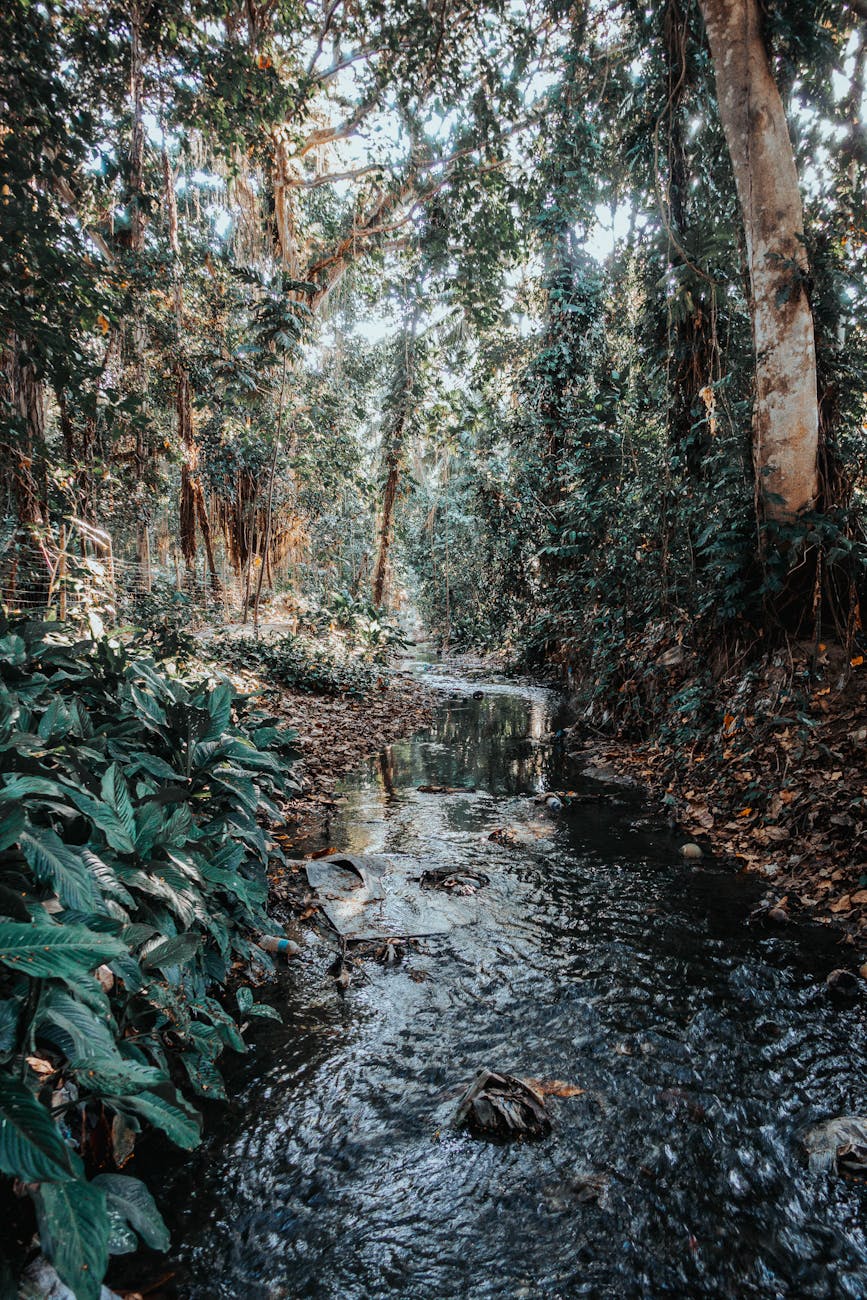
Riding in a big-wheeled jeepney truck, we took the highway heading north and reached Sibulan. After around 14 kilometers, we saw the “Twin Lakes” sign, indicating that we turn left. The road started to turn steep and winding, and even more rocky and rough. The ride was long, slow, and very bumpy. We were mesmerized by the enchanting beauty of wild, tropical forests. We also admired the very simple living of townsfolk in this mountain.
We’re also fascinated to meet backpackers along the way. They use challenging means to get to the top, either by habal-habal (motorbiking), mountain biking, or hiking. After over an hour, at over a thousand feet above sea level, we finally arrived. And this is what welcomed us.

The Balinsasayao Twin Lakes National Park is a designated protected area totaling 8,016 hectares. It mainly covers the twin lakes, Lake Balinsasayao and Lake Danao. It also includes Lake Kabalin-an and the surrounding areas. Lake Balinsasayao and Lake Danao are craters. They are relatively small but deep lakes. Rainwater has filled them throughout the years. A thin ridge separates the two lakes.
The natural park is home to an expansive ecosystem and biodiversity. It is an ideal location for bird watching, trail hiking, lake fishing, and kayaking.
We rented a boat so we can reach Lake Danao by crossing Balinsasayao Lake. A hiking trail actually exists but since it had been raining, the trail is mossy and very slippery. I already slipped even before we got to the lake, so it made sense.
It was so eerily quiescent and peaceful. We’d only hear the exotic birds, the swaying of trees, our boat, and our chitter-chatters. We spent a couple of minutes at Lake Danao just endlessly appreciating its quiet beauty.
Then, we headed to the other side of the lake to see a downstream river. My hubby, together with the boatman and our guide, went further. The big river rocks overwhelmed me, so I stayed behind.
After a quick lunch at Balinsasayao, off we went to our next destination.
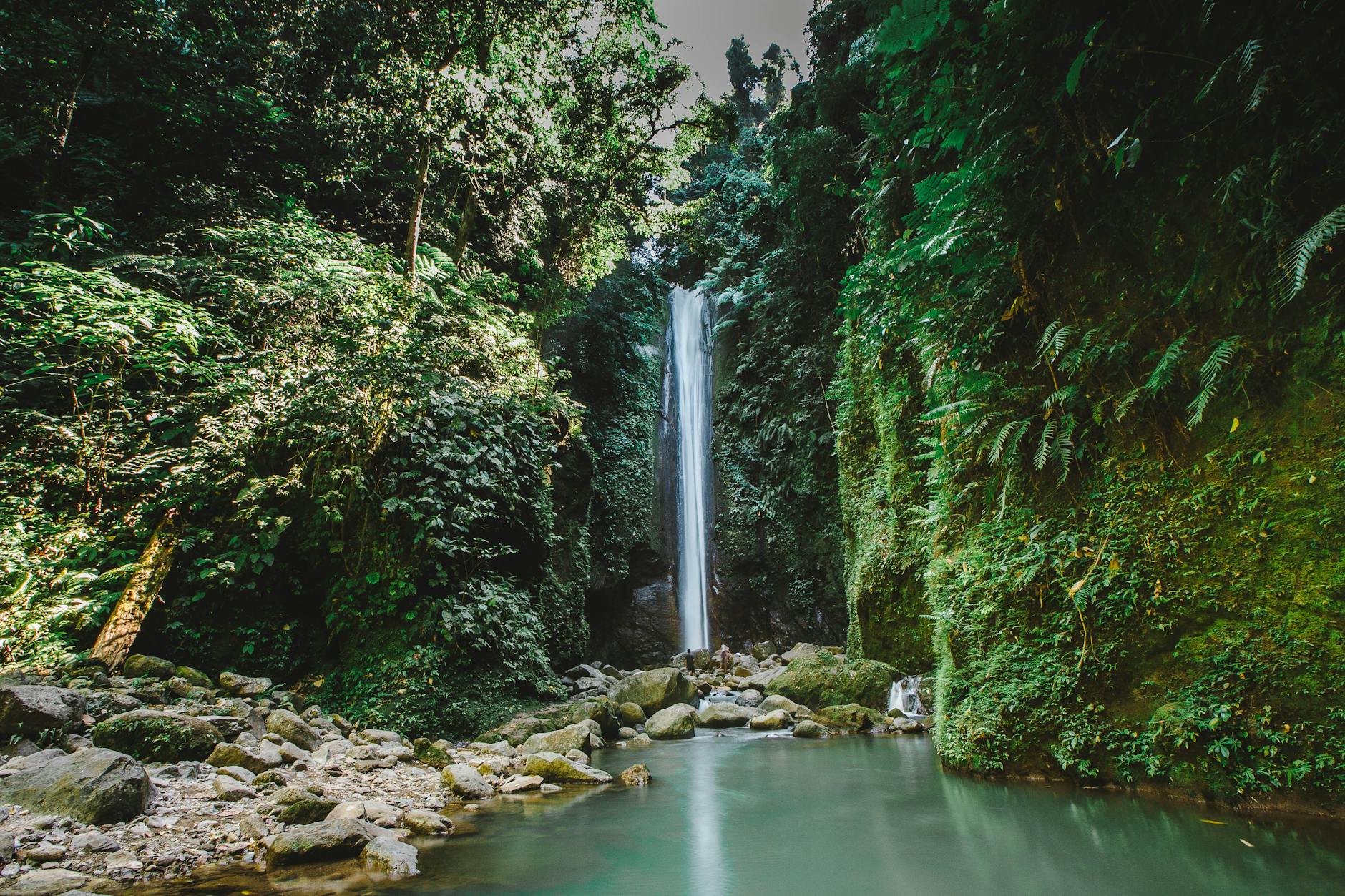
Casaroro Falls is situated in Valencia, just nine kilometers west of Dumaguete. Its stream plunges down at 30 meters high. Getting there led us to a path with 350 steps. They were made of concrete. We then reached iron-made stairs that got steeper as we went down.
We ended up at a river and heard big gushes of water coming from afar. Apparently, we had to traverse big, mountain river rocks to reach the waterfall.
By then I realized how less adventurous I can be, especially when I get into wild forests.
For the second time in a row, my hubby and our guide went further to see it. Meanwhile, I, the city girl, stayed behind and waited.
All alone, I distracted myself by figuring how we can ever get out. Unfortunately, and the guide confirmed, there’s no other way but up. I wasn’t expecting that the trip to Casaroro Falls is really this physically challenging. We took the same 350 steps going up – what a climb it was!
As we went next to the other side of Valencia, we passed through thick clouds of white steam. The steam came from the folds of rocks. We smelled the sour sulfur fumes in the air.
Due to its geothermal properties, Mount Talinis is classified as an active volcano. Along the highway, we stopped by Red Rocks hot spring resort.
After that strenuously tiring, death-defying visit to Casaroro Falls, we came to a realization. It was perfect to end our eco-adventure with a dip in the hot springs. It was absolutely refreshing! All in all, we enjoyed everything a lot.
Sans Rival & Other Restaurants
Interestingly, we visited some very nice restaurants and coffee shops in Dumaguete. We had our first lunch in Casablanca restaurant, which is located along the boulevard. We were impressed with its wide variety of quality food. The friendly service and cozy place were offered at a very good price. Because of this, we chose to have our last lunch here as well.
It does not look fancy from the outside, but when you get inside, KRI restaurant is modernly decorated, style’s eclectic. Food is fresh and tasty, but it’s more expensive compared to other restaurants in Dumaguete, and the portions are small.
I was craving Japanese food. Fittingly, we went to Mifune. We enjoyed some authentically good Japanese munchies at a very delightful price.
It’s more of a curiosity than a craving when we visited Le Chalet for Swiss dishes served non-stop. We felt like we flew back to Switzerland. We ate lots of bratwursts, cervelas, rostis, sauerkraut, and grilled meat in a chalet-like setting.
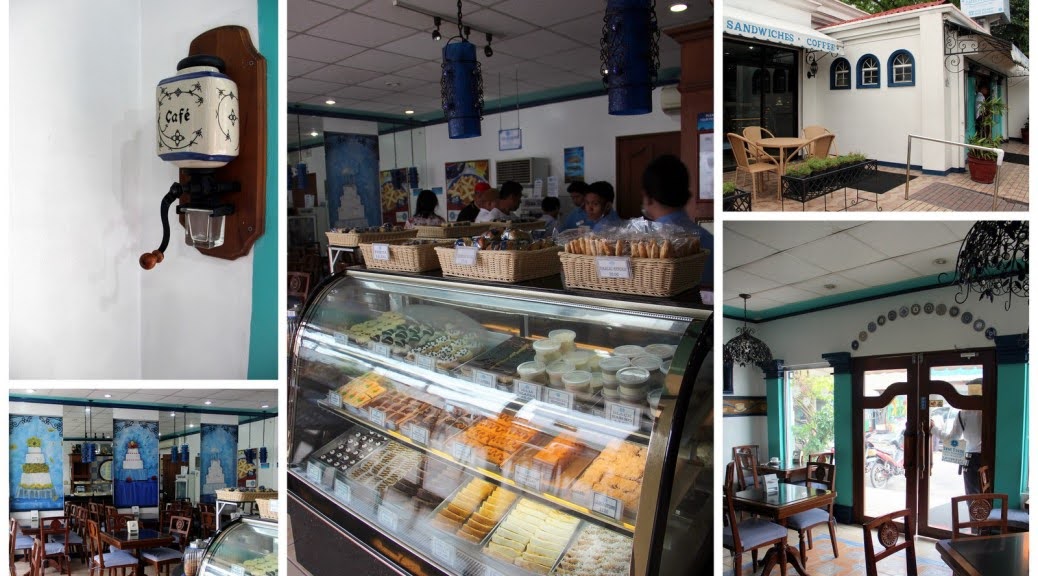
Of course, before we left Dumaguete, we stopped by Sans Rival for its infamous cake that’s just perfect as pasalubong. We also enjoyed its hearty, delicious breakfasts. It’s indeed a pleasant surprise to dine in these ecstatically good restaurants in Dumaguete.
Practical Info & FAQs
How to get there
YEAR TRAVELED: 2014
Depending on where you are coming from, Dumaguete can be reached by air, sea, and land. From Cebu, we were intending to go on a ferry trip via Oceanjet that would take us straight to Dumaguete. Unfortunately, there was no scheduled trip. We only reached Dumaguete by taking the ferry the next day in the morning.
There was another choice. We will spend the night in Bohol. Then, we take the ferry from Cebu to Dumaguete the next day. Since my husband was equally eager to see Bohol anyway, we chose the latter. We found ourselves spending the night away at Alona beach. It turned out to be a nice surprise. This was especially true for my husband who had just visited Bohol for the first time.
Where to stay & eat
We stayed in Hotel Essencia. It is already located in the city proper. This made it easy and quick to go downtown.
Travel tips
To wrap things up, these are the things we surely recommend when staying in Dumaguete for two days:
- Stroll in Roxas Boulevard.
- Visit Silliman University.
- Visit Dumaguete cathedral.
- Eat out in nice restaurants in Dumaguete. Don’t forget the Sans Rival!
- Explore Dumaguete’s lakes, waterfall, and hot springs.
If only we did not get sick and had a few more days left…
- Apo island for the sea turtles
- Dolphin and whale watching along Tanon strait
- Hanging out at Manjuyod white sand bar
- Talabong Mangrove Park & Bird Sanctuary
- Japanese shrine

 What's Up With Perpie Lately
You must be logged in to post a comment.