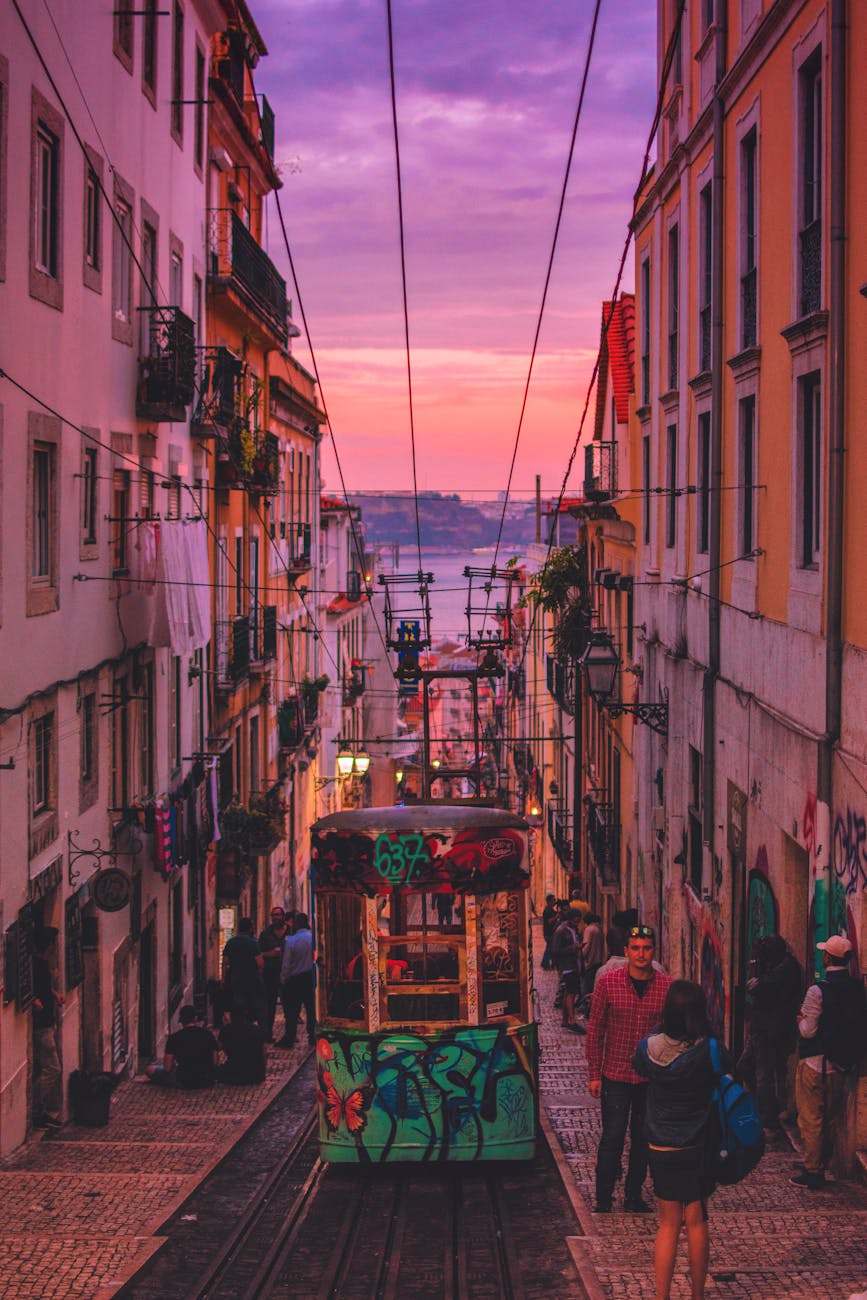
Portugal is a western European country on the Iberian Peninsula, known for its rich maritime history of exploration, beautiful Atlantic coastline, distinctive azulejo tiles, and as the birthplace of fado music and port wine. Here are a few reasons why you must go and I have to revisit Portugal.
Portugal is a western European country located on the Iberian Peninsula, bordered by Spain to the east and the Atlantic Ocean to the west and south. Known for its golden Age of Exploration during the 15th and 16th centuries, Portugal established a vast maritime empire that stretched from Brazil to Macau, leaving a lasting cultural and linguistic influence across multiple continents.
Today, the country is celebrated for its stunning coastline, historic cities like Lisbon and Porto, distinctive blue and white azulejo ceramic tiles, delicious cuisine featuring fresh seafood and pastéis de nata, and its contribution to world culture through fado music and port wine. With its warm Mediterranean climate, friendly people, and rich architectural heritage ranging from medieval castles to ornate Manueline monasteries, Portugal has become an increasingly popular destination for both tourists and expatriates.
I visited Porto in Portugal together with my husband back in 2013. We explored Porto over the weekend and then hubby had to return back to Geneva while I stayed on for a few more days for my training. Porto is a hilly city so we spent a lot of time walking up and down only to find ourselves in intricately-designed houses, churches, and bridges. Portuguese cuisine is divine, and port wines, from which Porto is known for, is cherry on top.
This is another country that I would like to go back to, once I get a chance. So for now here are the other places in Portugal that’s still on our list!
Lisbon
Lisbon, the capital of Portugal, is a vibrant city perched on the edge of the Atlantic, known for its scenic hills, historic charm, and maritime legacy. As one of Europe’s oldest cities, it blends ancient neighborhoods like Alfama with modern districts along the Tagus River, offering iconic sights such as Belém Tower and the Jerónimos Monastery. With its mild climate, colorful tiled façades, and soulful fado music, Lisbon invites visitors to explore its viewpoints, ride vintage trams, and enjoy a laid-back yet culturally rich atmosphere.
Porto
Porto, Portugal’s second-largest city, is a vibrant cultural and historical hub nestled along the Douro River and just a few kilometers from the Atlantic Ocean. Renowned for its UNESCO-listed historic center, iconic bridges, and world-famous port wine, Porto blends medieval charm with modern energy, attracting over a million visitors annually. From the baroque Clérigos Tower and the ornate Palácio da Bolsa to the soulful sounds of fado and the rich flavors of francesinhas, Porto offers a unique and unforgettable experience steeped in tradition and innovation.
Algarve
The Algarve, Portugal’s southernmost region, is famed for its golden beaches, charming fishing villages, and over 300 days of sunshine each year. Stretching along more than 200 km of coastline, it offers a vibrant mix of lively resort towns like Albufeira and Lagos, dramatic cliffs, and tranquil coves, while inland areas reveal whitewashed villages and the scenic Monchique hills. With a rich history dating back to Roman and Moorish times, the Algarve is not only a top holiday destination but also one of the most desirable places to retire in Europe due to its safety, healthcare, and quality of life.
Sintra
Sintra, nestled in the forested hills west of Lisbon, is a UNESCO World Heritage Site renowned for its romantic architecture, fairy-tale palaces, and lush landscapes. Once a summer retreat for Portuguese royalty, it boasts iconic landmarks like the vividly colored Palácio da Pena, the mystical Quinta da Regaleira with its secret tunnels and initiation well, and the ancient Moorish Castle perched high above the town. Surrounded by the Sintra-Cascais Natural Park and dramatic coastal cliffs, Sintra offers a magical blend of history, nature, and charm that makes it one of Portugal’s most captivating destinations.
Madeira
Madeira is a lush, volcanic archipelago in the North Atlantic Ocean, forming an autonomous region of Portugal and known for its dramatic landscapes, subtropical climate, and rich cultural heritage. The main island, Madeira, features towering peaks like Pico Ruivo, misty forests, and terraced agriculture, while its capital, Funchal, offers vibrant markets, historic architecture, and a lively food and wine scene. With natural pools, scenic hiking trails, and the famous Madeira wine, the island is a year-round destination for nature lovers, adventurers, and those seeking tranquility.
Azores
The Azores, a remote Portuguese archipelago in the mid-Atlantic, consists of nine volcanic islands known for their dramatic landscapes, crater lakes, and thermal springs. Often called the “Hawaii of Europe,” the islands offer a unique blend of lush nature, rich cultural heritage, and sustainable tourism, with highlights like whale watching in Faial, hiking Mount Pico, and soaking in São Miguel’s hot springs. Each island has its own distinct charm, making the Azores a captivating destination for adventure seekers, nature lovers, and those looking to unplug and explore.
Évora
Évora, the capital of Portugal’s Alentejo region, is a beautifully preserved museum-city with roots stretching back over 20 centuries to Celtic times. A UNESCO World Heritage Site, it showcases Roman ruins like the Temple of Diana, medieval architecture such as the Cathedral of Évora, and charming whitewashed houses adorned with wrought-iron balconies. Once a royal residence in the 15th century, Évora flourished with palaces, convents, and churches, making it a cultural and historical gem nestled in the heart of southern Portugal.
Coimbra
Coimbra, once the medieval capital of Portugal, is now a vibrant university city steeped in history and culture. Home to the University of Coimbra—one of the oldest in Europe and a UNESCO World Heritage Site—the city boasts stunning architecture, from the Joanina Library and Royal Palace to Roman ruins and Gothic cathedrals. Nestled along the Mondego River, Coimbra offers a unique blend of academic tradition, lively student life, and centuries-old charm that makes it a must-visit destination in central Portugal.
Óbidos
Óbidos is a beautifully preserved medieval town in central Portugal, encircled by ancient walls and crowned by a Moorish castle that dates back to the 12th century. Known as the “Town of the Queens” due to its long history of royal patronage, Óbidos enchants visitors with its cobbled streets, whitewashed houses, artisan shops, and the famous cherry liqueur, Ginjinha, often served in edible chocolate cups. Just an hour from Lisbon, it’s a popular day-trip destination offering a magical glimpse into Portugal’s past and a peaceful retreat from the bustle of modern life.


 What's Up With Perpie Lately
You must be logged in to post a comment.