Despite its small size, Liechtenstein provides a peaceful and picturesque escape for travelers seeking nature, history, and tranquility. Here are a few reasons why you must go and visit Lichtenstein.
Liechtenstein is a destination for travelers seeking a peaceful retreat surrounded by stunning alpine scenery and rich cultural experiences. Whether you’re hiking through the picturesque trails of the Rhine Valley or exploring the charming capital of Vaduz with its museums and castle views, the country offers a unique blend of nature and history. Its compact size makes it easy to explore, while its serene atmosphere and welcoming locals make every visit feel personal and unforgettable.
It was December 2013, on the way to Belgium, when we decided to briefly visit Liechtenstein. We arrived in Vaduz and at that time there’s a quaint charming Christmas market with the Vaduz castle seemingly watching it over from the mountaintop. We didn’t have much time to really go around to other sightseeing spots that I mentioned here, but indeed it would have been nicer to take the hiking trails in Liechtenstein.
Vaduz Castle
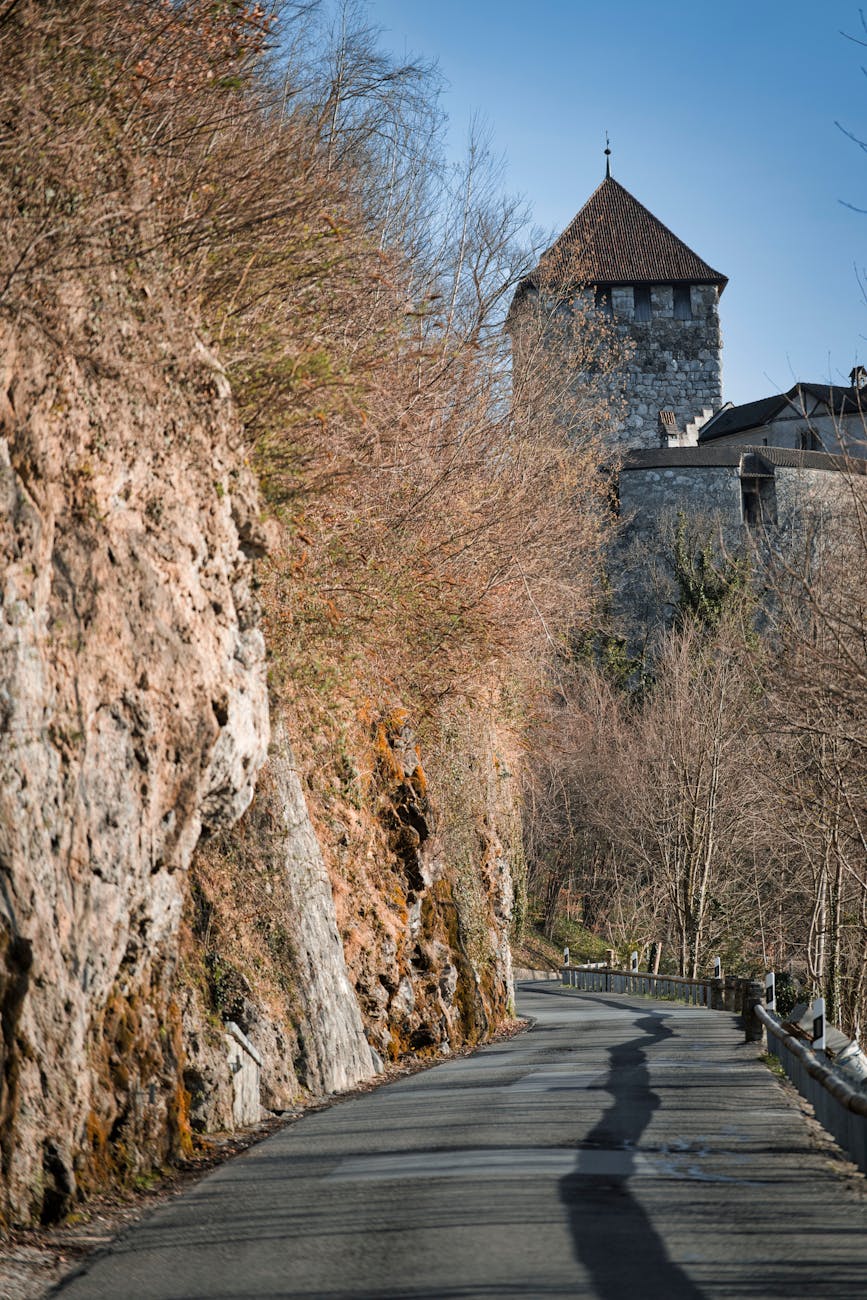
Vaduz Castle, perched on a hill overlooking the capital of Liechtenstein, dates back to the 12th century and originally served as a medieval fortress. Over the centuries, it underwent several expansions and restorations, eventually becoming the official residence of the Princely Family of Liechtenstein in 1938. Today, while the castle remains closed to the public, it stands as a symbol of national heritage and pride, offering stunning views of the surrounding Alpine landscape.
Gutenberg Castle
Gutenberg Castle, located in Balzers, Liechtenstein, sits atop a 70-meter-high hill that has been inhabited since the Neolithic period. Originally a medieval church and cemetery, it was transformed into a fortified castle in the 12th century and later served as a strategic stronghold for the House of Habsburg. Unlike Vaduz Castle, Gutenberg is open to the public and now functions as a museum and cultural venue, showcasing centuries of history and offering panoramic views of the Rhine Valley.
Liechtenstein National Museum
The Liechtenstein National Museum, located in Vaduz, offers a rich exploration of the country’s history, culture, nature, and art across 42 exhibit rooms housed in three interconnected buildings. Originally established in 1890 within Vaduz Castle, the museum has since moved and expanded, with its current home dating back to 1438 and formerly serving as a princely tavern, customs house, and government seat. Today, it includes branches like the Postal Museum and the Treasure Chamber, making it a central hub for understanding Liechtenstein’s heritage.
Kunstmuseum Liechtenstein
The Kunstmuseum Liechtenstein, located in Vaduz, is the national museum of modern and contemporary art, housed in a striking black basalt and concrete building completed in 2000 by Swiss architects Morger, Degelo, and Kerez. Its collection spans international modernism to contemporary works, with a strong focus on sculpture and installation art, and it also serves as the custodian of Liechtenstein’s national art collection. In 2015, the museum expanded with the addition of the Hilti Art Foundation building, which showcases classical modernist and contemporary masterpieces, further enriching the cultural landscape of Liechtenstein.
Traditional Farmhouse Museum
The Traditional Farmhouse Museum, also known as the Biedermann House, is located in Schellenberg and showcases rural life in Liechtenstein around the year 1900. Built in 1518, this 500-year-old wooden structure is a rare example of mobile timber architecture, having been dismantled and relocated multiple times before being preserved as a museum in 1994. Operated by the Liechtenstein National Museum, it offers visitors a glimpse into traditional building techniques and the everyday lives of farming families in the Alpine region.
Princes’ Way Hike
The Princes’ Way Hike, also known as the Fürstensteig, is one of Liechtenstein’s most scenic alpine trails, offering dramatic views of lush valleys, rugged peaks, and charming villages nestled below. Named in honor of the country’s princes who historically walked these paths, the trail combines natural beauty with cultural heritage, featuring lookout points, historical markers, and diverse flora and fauna including alpine marmots and golden eagles. With well-maintained paths and moderate difficulty, it’s a favorite among both seasoned hikers and adventurous beginners seeking a memorable experience in the heart of the Alps.
Historical Eschnerberg Trail
The Historical Eschnerberg Trail, created between 1972 and 1975, is a scenic and educational hiking route that winds along both sides of the Eschnerberg ridge in northern Liechtenstein. Stretching approximately 11 km, the trail features over 30 information boards that highlight archaeological sites, prehistoric settlements, legends, and the natural history of the region’s five “Unterland” communities. With panoramic views of the Rhine Valley and surrounding Alpine ranges, the trail offers a peaceful and culturally rich experience suitable for all seasons.
Sareis Chairlift
The Sareis Chairlift in Malbun, Liechtenstein, carries visitors smoothly up to the Sareiserjoch ridge at 2,000 meters, offering breathtaking panoramic views of the Alps, Rhine Valley, and surrounding peaks. At the summit, guests can relax at the mountain restaurant or embark on scenic hikes, including routes to Augstenberg and the Pfälzer hut, making it a popular destination for both leisure and adventure. Operating year-round, the chairlift serves skiers in winter and hikers in summer, providing easy access to one of the country’s most stunning natural vantage points.
Steg & Gaflei Villages
Steg and Gaflei are two picturesque mountain villages in Liechtenstein, each offering a unique blend of natural beauty and cultural heritage. Steg, nestled at 1,300 meters above sea level, is renowned for its serene lakes—Gänglesee and Stausee Steg—and was named one of the world’s most beautiful villages by Forbes in 2025. Gaflei, perched even higher at around 1,500 meters, originated from medieval Walser settlements and became Liechtenstein’s first health resort in the late 19th century; today, it serves as a gateway to iconic hiking trails like the Fürstensteig.
Ski Resort Malbun
Ski Resort Malbun, nestled at 1,600 meters in the Alps near the Austrian border, is Liechtenstein’s only ski resort and a beloved destination for families and winter sports enthusiasts. With 23 kilometers of groomed slopes, three chairlifts, and dedicated areas like Malbi Park for children, it offers a cozy, uncrowded alternative to larger Alpine resorts while maintaining high-quality skiing conditions from mid-December to early April. Beyond skiing, visitors can enjoy tobogganing, llama walks, ice skating under the stars, and hearty Alpine cuisine in a charming, car-free village setting.
Hofkellerei of the Prince of Liechtenstein
The Hofkellerei of the Prince of Liechtenstein is a historic winery with roots dating back to 1436, encompassing vineyards in Vaduz, Liechtenstein, and Wilfersdorf, Austria. The Vaduz estate, centered around the Herawingert vineyard, is considered the heart of Liechtenstein’s viticulture, producing elegant Pinot Noir and Chardonnay from slate- and limestone-rich soils. Today, the winery blends centuries-old tradition with modern sophistication, offering tastings, tours, and exclusive wines that reflect the princely heritage and terroir of the Rhine Valley.
Schadler Pottery Workshop
The Schädler Pottery Workshop, founded in 1836 in Nendeln, is Liechtenstein’s oldest arts and crafts business and a pioneer of ceramic artistry in the region. Originally producing stove tiles, it evolved into a renowned manufacturer of earthenware, artistic ceramics, and tiled stoves, blending traditional craftsmanship with modern design. Visitors can tour the workshop to observe potters and ceramic painters at work, gaining insight into centuries-old techniques and the cultural significance of ceramics in Liechtenstein.
Liechtenstein Center
The Liechtenstein Center, located in the heart of Vaduz, serves as the country’s main tourist information hub, offering visitors maps, brochures, and expert advice on exploring the principality. It features a gift shop with regional products, exclusive souvenirs, and the popular passport stamp experience, allowing guests to mark their visit with a unique Liechtenstein emblem. With services like e-bike rentals and event hosting, the center is both a practical starting point and a cultural gateway to discovering Liechtenstein’s charm.

 What's Up With Perpie Lately
You must be logged in to post a comment.