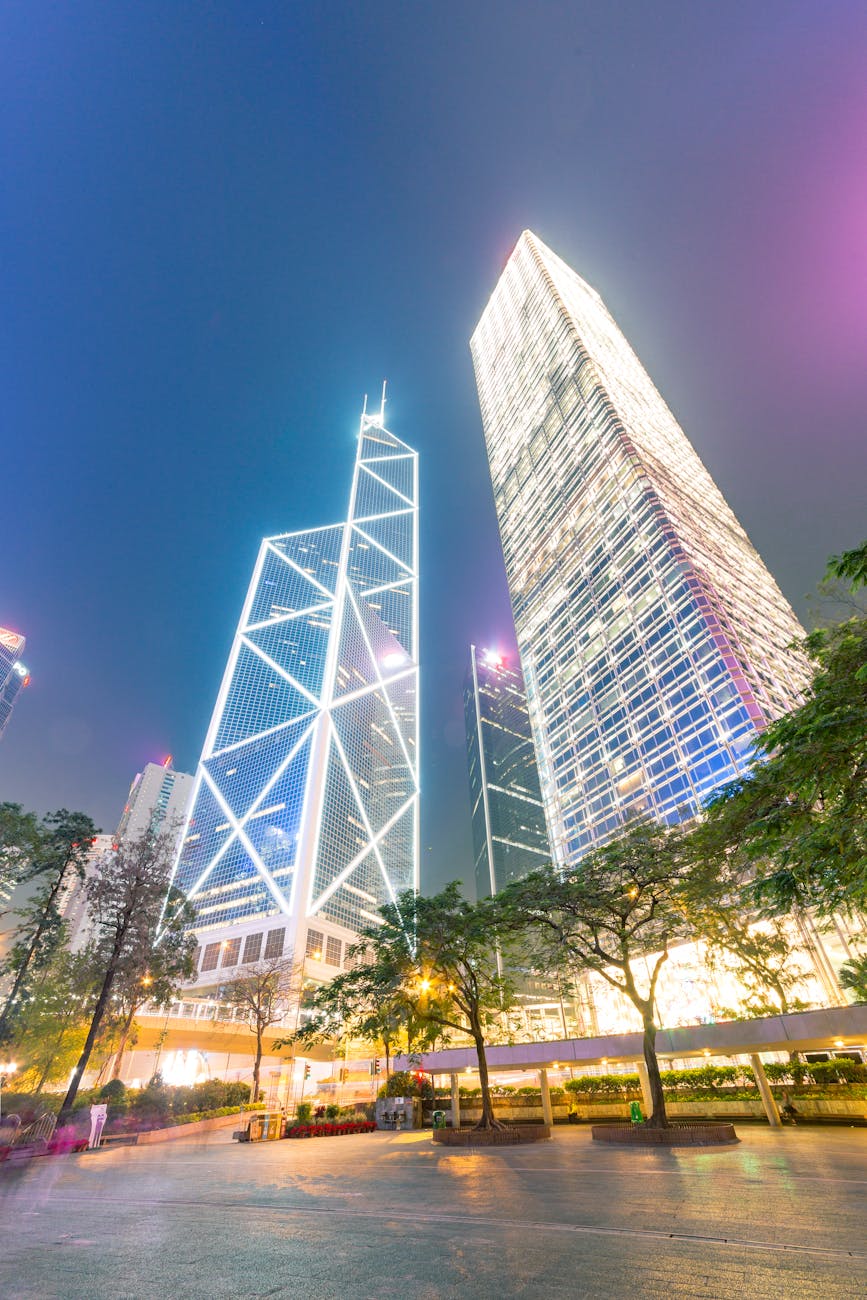
Hong Kong is a vibrant metropolis known for its stunning skyline, deep natural harbor, and unique blend of Eastern and Western cultures. Here are a few reasons why you must go and visit Hong Kong.
Hong Kong is a dynamic city that blends traditional Chinese heritage with modern urban sophistication, making it a global financial hub and cultural melting pot. Its iconic skyline, bustling harbor, and vibrant street markets reflect both its colonial past and its current status as a Special Administrative Region of China. Despite its compact size, Hong Kong offers a rich tapestry of experiences, from hiking scenic trails to savoring world-class cuisine.
We had a layover in Hong Kong en route to Manila in 2013, and then another lay over in Hong Kong as well en route to Moscow and Brussels. It’s my first time visiting this vibrant city. After living in Switzerland for that long, being surrounded by mountains and tranquility, I suddenly missed and craved for this constant noise and the hustle-bustle city life. But as always, just enjoy what’s in front of me. At that time, even for that brief moment, I truly enjoyed Hong Kong that I wouldn’t mind going back!
Victoria Peak
Victoria Peak, also known as Mount Austin, is the highest point on Hong Kong Island at 552 meters and offers sweeping views of the city skyline, Victoria Harbour, and surrounding islands. A historic and iconic destination, it has evolved from a colonial-era residential enclave into a major tourist attraction, accessible via the famous Peak Tram since 1888. Today, visitors flock to its observation decks like Sky Terrace 428, enjoy scenic walks, and explore shopping and dining at The Peak Tower and Peak Galleria.
Star Ferry
The Star Ferry is a historic passenger ferry service in Hong Kong that has been transporting people across Victoria Harbour between Hong Kong Island and Kowloon since 1888. Founded by Indian entrepreneur Dorabjee Naorojee Mithaiwala, the service began with a single steamboat and grew into a fleet of ferries named after celestial bodies, becoming a vital part of the city’s transport network and cultural identity. Despite the development of tunnels and railways, the Star Ferry remains a beloved symbol of Hong Kong, offering scenic and affordable rides that connect the city’s past with its present.
Avenue of Stars
The Avenue of Stars in Hong Kong is a 440-meter-long promenade along the Tsim Sha Tsui waterfront, modeled after the Hollywood Walk of Fame to honor icons of the local film industry. Opened in 2004 and revitalized in 2019, it features handprints, plaques, and statues of legendary figures like Bruce Lee, Jackie Chan, and Anita Mui, celebrating Hong Kong’s cinematic legacy. With stunning views of Victoria Harbour and interactive exhibits, it remains a beloved cultural landmark and a must-visit destination for both tourists and film enthusiasts.
Man Mo Temple
Man Mo Temple, located on Hollywood Road in Hong Kong’s Sheung Wan district, is a historic Taoist temple built in 1847 and dedicated to Man Cheong, the God of Literature, and Kwan Tai, the God of War. It served not only as a place of worship for students and scholars seeking academic success but also as a community center where disputes were once settled in the adjacent Kung Sor hall. With its iconic spiral incense coils, intricate carvings, and deep cultural significance, the temple remains a spiritual sanctuary and a symbol of Hong Kong’s rich heritage.
Chi Lin Nunnery & Nan Lian Garden
Chi Lin Nunnery and Nan Lian Garden, located in Diamond Hill, Kowloon, form a serene cultural oasis in the heart of bustling Hong Kong. The nunnery, originally founded in 1934 and rebuilt in the 1990s using traditional Tang Dynasty techniques without nails, is one of the world’s largest handmade wooden structures and serves as an active Buddhist monastery. Just across a footbridge lies Nan Lian Garden, a meticulously landscaped 3.5-hectare classical Chinese garden designed in harmony with the nunnery, featuring lotus ponds, ancient trees, and Tang-style architecture that together offer a peaceful retreat steeped in spiritual and aesthetic beauty.
Hong Kong Museum of History
The Hong Kong Museum of History, established in 1975 and located in Tsim Sha Tsui, is dedicated to preserving and showcasing the rich cultural and historical heritage of Hong Kong. Its flagship exhibition, The Hong Kong Story, spans over 7,000 square meters and guides visitors through 400 million years of history—from prehistoric times and ancient dynasties to British colonization, World War II, and the 1997 handover to China. Through immersive dioramas, multimedia displays, and thousands of artifacts, the museum offers a vivid and educational journey into the city’s dynamic past.
Ex-Sham Shui Po Service Reservoir
The Ex-Sham Shui Po Service Reservoir, built in 1904 on Mission Hill in Kowloon, is a Romanesque-style underground water facility originally constructed to supply fresh water to the growing populations of Kowloon Tong, Sham Shui Po, and Tai Hang Tung. Featuring 108 granite piers, red brick arches in Flemish bond, and concrete cove ceilings, the reservoir showcases rare European architectural influences in Hong Kong. After being decommissioned in 1970 and nearly demolished in 2020, public outcry led to its preservation and its designation as a Grade I historic building in 2021, with guided tours now available to explore its unique heritage and design.
M+ Museum
M+ Museum is a world-class institution of contemporary visual culture located in Hong Kong’s West Kowloon Cultural District. Opened in 2021, it showcases 20th- and 21st-century visual art, design, architecture, and moving image, with a strong focus on Hong Kong and Asian perspectives. Designed by Herzog & de Meuron, the museum spans 65,000 square meters and features 33 galleries, a cinema, and one of the world’s largest media facades, positioning it as a cultural landmark comparable to MoMA and the Tate Modern.
PMQ (Police Married Quarters)
PMQ (Police Married Quarters), located in Central Hong Kong, is a revitalized heritage site that once served as the city’s first government school and later as housing for married police officers. Originally the site of the Central School established in 1862, it was transformed into police quarters in 1951 and then reimagined in 2014 as a creative hub for local designers and entrepreneurs. Today, PMQ blends history and innovation, offering studio spaces, exhibitions, and cultural events, making it a vibrant center for Hong Kong’s design and creative industries.
Lin Heung Tea House
Lin Heung Tea House, originally founded in Guangzhou in 1889 and established in Hong Kong in 1926, is one of the city’s oldest and most iconic dim sum restaurants. Known for preserving traditional Cantonese tea house culture, it serves dim sum the old-fashioned way—via trolleys pushed through the dining room, where diners must act fast to grab their favorite dishes. After closing in 2022, it triumphantly reopened in 2024 at its original Wellington Street location, blending nostalgic charm with subtle modern updates to continue delighting both locals and tourists.
Dai Pai Dong Street Food
Dai Pai Dong, literally meaning “big license stall” in Cantonese, refers to Hong Kong’s iconic open-air street food stalls that emerged in the mid-20th century as a way for war-affected families to earn a living. Known for their green-painted steel kitchens, folding tables, and sizzling woks, these stalls serve affordable, wok-fried Cantonese dishes rich in “wok hei” (the breath of the wok), creating a lively, no-frills dining experience. Though their numbers have dwindled due to government regulations and urban development, Dai Pai Dongs remain a cherished part of Hong Kong’s culinary heritage and cultural identity.
Lantau Island
Lantau Island is the largest island in Hong Kong, known for its rich history, natural beauty, and cultural landmarks. Once home to ancient fishing villages and salt production during the Han and Tang dynasties, it later became a strategic military site and refuge for emperors during the Southern Song Dynasty. Today, Lantau blends tradition and modernity with attractions like the Big Buddha, Po Lin Monastery, Tai O fishing village, Hong Kong Disneyland, and the Ngong Ping 360 cable car, making it a diverse destination for nature lovers, history buffs, and families alike.
Tai O Fishing Village
Tai O Fishing Village, often called the “Venice of Hong Kong,” is a centuries-old coastal settlement on Lantau Island known for its traditional stilt houses (pang uk) built above tidal flats. Home to the Tanka people, a seafaring community with deep roots in Hong Kong’s maritime heritage, Tai O offers a rare glimpse into a way of life shaped by fishing, salt production, and close-knit village traditions. With its narrow canals, vibrant seafood markets, and cultural festivals like the Dragon Boat Water Parade, Tai O remains a living museum of Hong Kong’s past and a peaceful escape from the city’s urban pace.
Hong Kong Wetland Park
Hong Kong Wetland Park, located in Tin Shui Wai in the New Territories, is a 61-hectare conservation, education, and ecotourism facility originally developed as an ecological mitigation area for urban expansion. Opened in 2006, the park features a 10,000-square-meter visitor center with themed exhibition galleries, a Wetland Reserve with re-created habitats, and interactive experiences that highlight the importance of wetland ecosystems and biodiversity. As a showcase of sustainable design and environmental stewardship, it plays a vital role in raising public awareness about wetland conservation while offering a tranquil escape for nature lovers and tourists alike.

 What's Up With Perpie Lately
You must be logged in to post a comment.