Slovakia is a landlocked country in Central Europe, bordered by Austria, the Czech Republic, Poland, Ukraine, and Hungary. Known for its mountainous terrain, medieval castles, and rich cultural heritage, Slovakia became an independent nation in 1993 following the peaceful dissolution of Czechoslovakia. Here are a few reasons why you must go and visit Slovakia.
Slovakia is a vibrant Central European country known for its rugged mountain landscapes, medieval castles, and rich folklore traditions. Its capital, Bratislava, sits along the Danube River and blends historical charm with modern energy. Since becoming independent in 1993, Slovakia has grown into a dynamic member of the European Union, offering a unique mix of natural beauty and cultural depth.
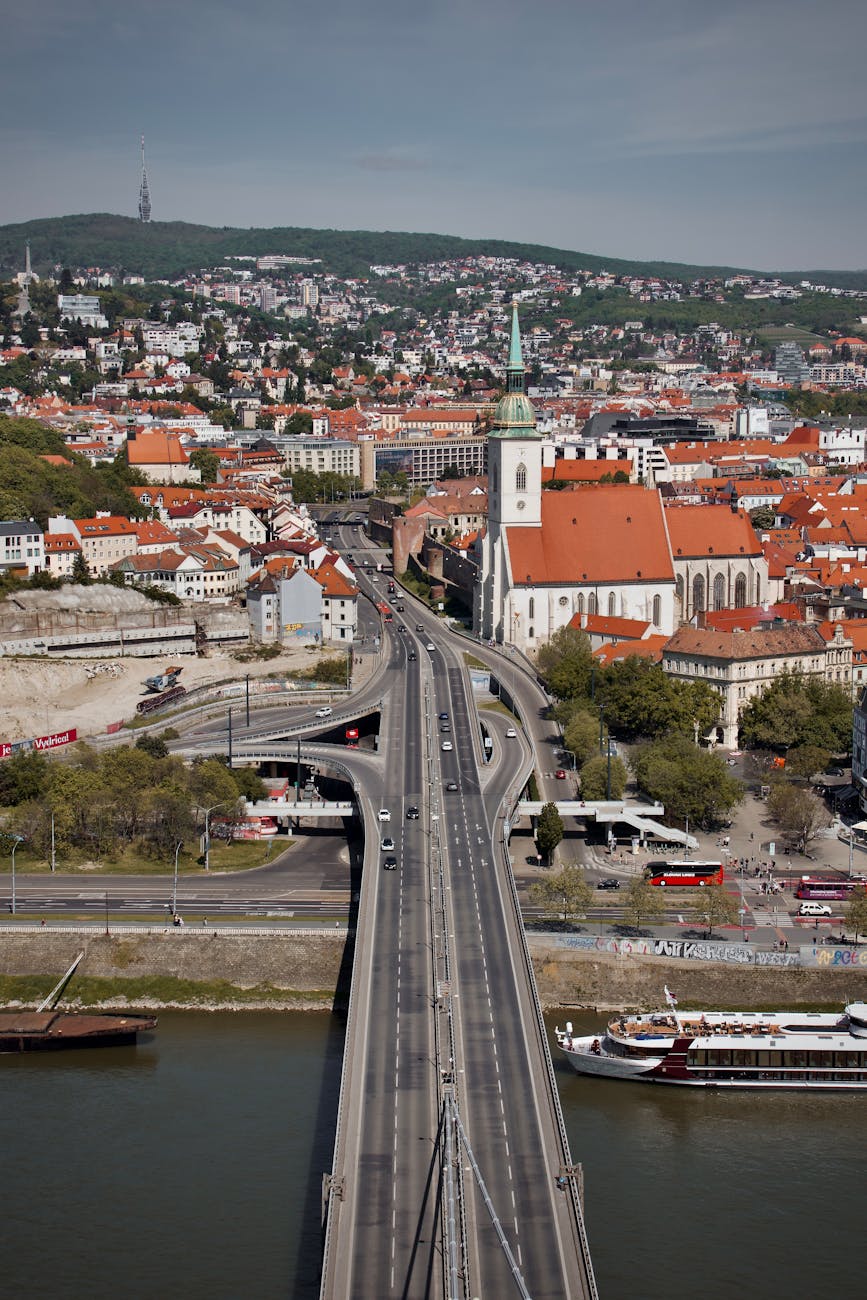
While we were in Austria last 2014, we decided to visit Bratislava, which was only an hour away from Vienna. It’s my first experience visiting a country from Eastern Europe and I can finally sense the significant difference at this side of Europe. Bratislava welcomed us with a quirky UFO tower over the bridge and a flashy white castle superimposed on top of the mountain. In the old town, there were also equally fascinating statues and infrastructure that somehow piqued our interest. I think if we have another opportunity to visit this country, we’ll never have second thoughts about exploring it further. For now, we have put up a list of potential places that we’d like to visit in Slovakia.
Bratislava
Bratislava, the capital of Slovakia, is a charming and compact city nestled along the Danube River, uniquely positioned at the borders of Austria and Hungary. Rich in history and culture, it was once known as Pressburg and served as a coronation city for Hungarian kings, with influences from Slovak, German, and Hungarian traditions still visible in its architecture and cuisine. Today, Bratislava blends medieval charm with modern vibrancy, offering visitors a walkable Old Town, scenic river views, and easy access to nearby capitals like Vienna, just 66 kilometers away.
Devin
Devín is a historic borough of Bratislava, Slovakia, best known for the dramatic ruins of Devín Castle perched on a cliff at the confluence of the Danube and Morava rivers. The site has been inhabited since prehistoric times and played a strategic role throughout history, from Roman frontier defenses to a medieval stronghold in the Great Moravian Empire. Today, Devín is a popular destination for visitors seeking panoramic views, cultural events, and a deep connection to Slovakia’s national heritage.
Spiš
Spiš is a historic region in northeastern Slovakia, renowned for its medieval heritage, dramatic landscapes, and cultural richness. Dominated by the iconic Spiš Castle, one of the largest castle complexes in Central Europe, the area also features UNESCO-listed towns like Levoča and religious sites such as Spišská Kapitula. Surrounded by national parks like Slovak Paradise and the High Tatras, Spiš offers a unique blend of history, nature, and tradition that makes it one of Slovakia’s most treasured regions.
Žilina
Žilina, a vibrant city in northwestern Slovakia, serves as a cultural and economic hub nestled at the confluence of three rivers and surrounded by scenic mountains. Just a short drive away, the majestic Orava Castle rises dramatically above the Orava River, showcasing centuries of Gothic, Renaissance, and Baroque architecture and famously featured in the 1922 film Nosferatu. Nearby, the enchanting village of Čičmany captivates visitors with its timber houses adorned in white geometric folk patterns, preserving Slovakia’s rich traditions in a living museum of rural heritage.
Levoča
Levoča, located in the Spiš region of eastern Slovakia, is a beautifully preserved medieval town recognized as a UNESCO World Heritage Site. Its historic center features Gothic and Renaissance architecture, including the Church of St. James, which houses the world’s tallest wooden Gothic altar, carved by Master Paul of Levoča in the 16th century. Surrounded by scenic hills and cobbled streets, Levoča offers a rich cultural experience that blends centuries of history with the charm of a small Slovak town.
High Tatras
The High Tatras are Slovakia’s most majestic mountain range, part of the Carpathians, known for their jagged peaks, glacial lakes, and rich biodiversity. They offer a true alpine experience with hiking trails, cable cars, and ski resorts, all set within a UNESCO Biosphere Reserve that protects rare wildlife like chamois and marmots. One of the most iconic spots in the region is Štrbské Pleso, a serene glacial lake surrounded by spruce forests and mountain resorts, serving as a year-round destination for hiking, skiing, and wellness retreats.
Slovenský raj
Slovenský raj, or Slovak Paradise, is a breathtaking national park in eastern Slovakia known for its rugged karst landscapes, deep gorges, waterfalls, and over 300 kilometers of hiking trails equipped with ladders and bridges. Among its most popular attractions are the Suchá Belá Gorge, the Dobšinská Ice Cave—one of the largest ice caves in Europe—and scenic viewpoints like Tomášovský výhľad. Rich in biodiversity and natural beauty, the park offers a thrilling experience for nature lovers and adventurers alike.
Liptov
Liptov is a picturesque region in northern Slovakia, surrounded by the majestic peaks of the High, Low, and Western Tatras, making it a paradise for outdoor enthusiasts. It offers a rich blend of natural beauty and cultural heritage, with highlights like the Liptovská Mara reservoir, thermal springs, and UNESCO-listed village of Vlkolínec. Whether skiing in Jasná, exploring caves like Demänovská Cave of Liberty, or relaxing in water parks like Tatralandia and Bešeňová, Liptov promises adventure and relaxation in every season.
Košice
Košice, Slovakia’s second-largest city, is a vibrant cultural and historical hub located along the Hornád River near the Hungarian border. Its beautifully preserved Old Town features the Gothic St. Elisabeth Cathedral, the largest church in Slovakia, and a pedestrian-friendly main street lined with aristocratic palaces, cafés, and museums. Named the European Capital of Culture in 2013, Košice blends medieval charm with modern energy, offering a rich mix of architecture, arts, and a lively atmosphere that makes it a standout destination in Central Europe.
Banská Štiavnica
Banská Štiavnica is a picturesque town in central Slovakia nestled within the caldera of an ancient volcano, known for its rich mining history and stunning natural surroundings. Once the largest mining center in the Habsburg Monarchy, it was home to the world’s first mining academy and produced vast quantities of silver and gold, earning it the nickname “Silver Town.” Today, its well-preserved medieval architecture and technical monuments have earned it UNESCO World Heritage status, making it a cultural and historical gem of the region.
Tokaj Wine Region
The Tokaj Wine Region, straddling northeastern Hungary and southeastern Slovakia, is renowned for producing Tokaji Aszú, the world’s oldest botrytized sweet wine. Its unique terroir—volcanic subsoil, loess and clay soils, and a microclimate shaped by the Bodrog and Tisza rivers—creates ideal conditions for noble rot, essential to its signature wine style. Recognized as a UNESCO World Heritage Site, the region boasts centuries-old cellars and a rich viticultural tradition that continues to thrive across both countries.

 What's Up With Perpie Lately