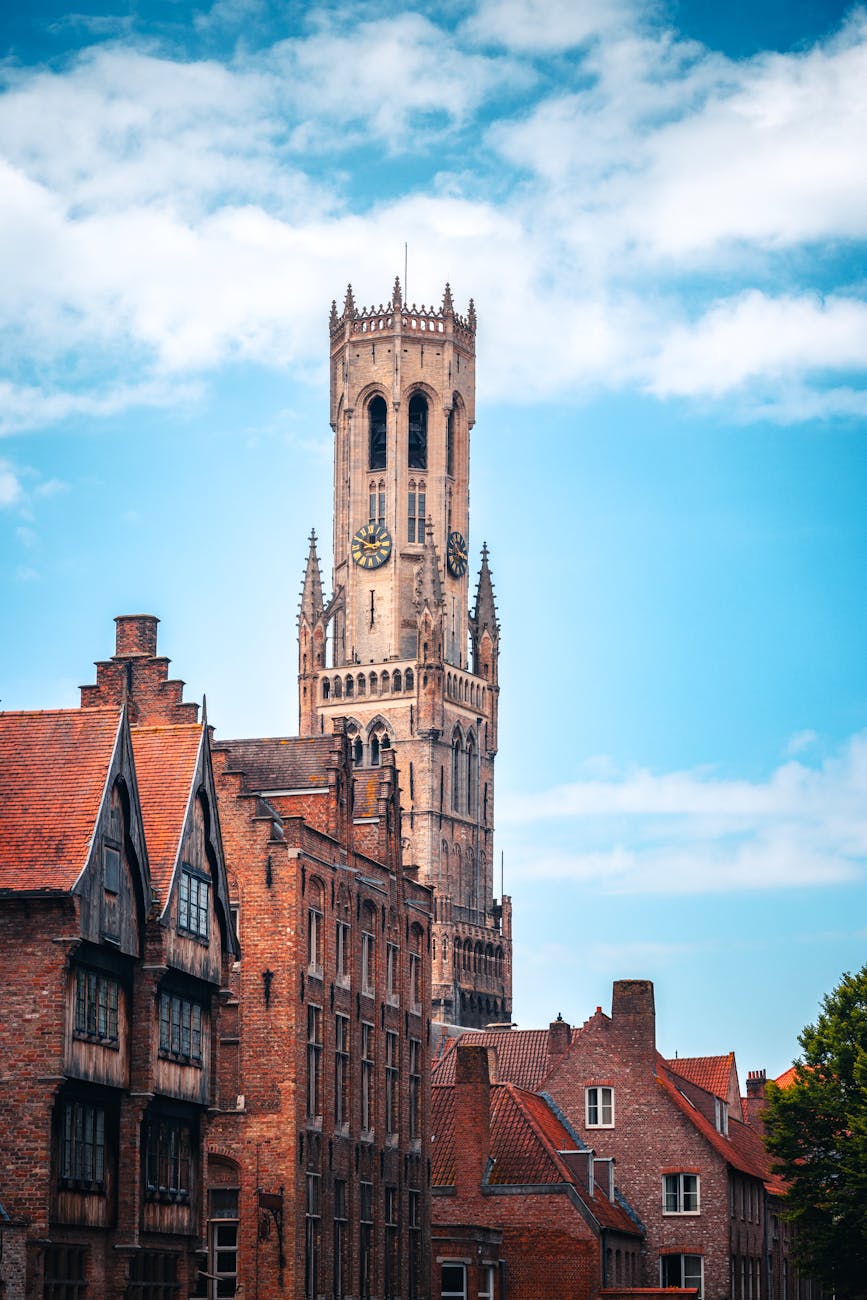
Brugge, the “Venice of the North,” enchants with medieval architecture, winding canals, and cobblestone streets.
A UNESCO World Heritage site, it boasts vibrant markets, the iconic Belfry, and the Basilica of the Holy Blood. Indulge in Belgian chocolates and art in this timeless city, where history and culture flourish.
About Brugge
Brugge is a city steeped in history and charm. Founded in the 9th century, Brugge quickly became a significant trading hub due to its strategic location and network of canals. During the Middle Ages, it was one of the most important commercial cities in Europe, attracting merchants from all over the world. The city’s wealth and prosperity during this period are evident in its well-preserved medieval architecture, cobblestone streets, and historic buildings. Today, Brugge is a UNESCO World Heritage site, recognized for its outstanding universal value and its role in the history of European trade and culture.
In modern times, Brugge continues to be a relevant and vibrant city, attracting millions of tourists each year. Its picturesque canals, charming squares, and historic landmarks make it a popular destination for travelers seeking a blend of history, culture, and beauty. The city is also known for its contributions to the arts, with numerous museums and galleries showcasing Flemish masterpieces. Additionally, Brugge is a center for education and research, with institutions that contribute to its ongoing cultural and intellectual significance.
When visiting Brugge, there are several must-see attractions and activities to enjoy. The Belfry of Brugge, a medieval bell tower, offers stunning views of the city from its top. The Basilica of the Holy Blood, a beautiful church that houses a relic believed to contain the blood of Jesus Christ, is another significant site. Visitors can also take a leisurely boat ride along the canals, explore the Markt square with its vibrant market stalls, and indulge in the city’s famous Belgian chocolates and waffles. For those interested in art, the Groeningemuseum features an impressive collection of Flemish and Belgian paintings. With its rich history, cultural relevance, and array of attractions, Brugge offers a memorable experience for all who visit.
Belfry of Brugge
One of the top places to visit is the Belfry of Brugge, a medieval bell tower that provides stunning panoramic views of the city from its top. Climbing the 366 steps to the top is well worth the effort for the breathtaking scenery.
The Belfry of Brugge, also known as the Belfort, is not only a symbol of the city’s medieval power and wealth but also a testament to its resilience. Throughout its history, the belfry has survived numerous fires and reconstructions, each time rising from the ashes to stand tall once more. The tower’s carillon, consisting of 47 bells, plays enchanting melodies that resonate through the city, adding to Brugge’s magical ambiance. The belfry also houses a treasury and an old prison, offering visitors a glimpse into the city’s past governance and justice system. This iconic structure, with its rich history and cultural significance, continues to be a beloved landmark and a source of pride for the people of Brugge.
Basilica of the Holy Blood
Another must-see site is the Basilica of the Holy Blood, a beautiful church that houses a relic believed to contain the blood of Jesus Christ. The church’s intricate architecture and historical significance make it a fascinating destination.
The Basilica of the Holy Blood is also renowned for its annual Procession of the Holy Blood, a significant event that draws thousands of visitors and pilgrims to Brugge. Held on Ascension Day, this grand procession dates to the 13th century and features a colorful parade of participants dressed in historical costumes, reenacting biblical scenes and the history of Brugge. The highlight of the event is the display of the relic of the Holy Blood, which is carried through the streets in a magnificent silver shrine. This tradition not only showcases the city’s deep religious heritage but also fosters a sense of community and continuity among its residents.

Brugge’s Canals
For those who enjoy leisurely activities, a boat ride along Brugge’s picturesque canals is a delightful way to explore the city. The canals offer a unique perspective of Brugge’s charming streets and historic buildings.
Brugge’s canals are not only a picturesque feature of the city but also play a crucial role in its ecosystem. These waterways are home to a diverse range of flora and fauna, creating a unique urban habitat. The canals support various species of fish, birds, and aquatic plants, contributing to the city’s biodiversity. Additionally, the canals help regulate the city’s microclimate, providing a cooling effect during the warmer months. Efforts to maintain and preserve the canals ensure that they remain a vital part of Brugge’s natural environment, enhancing the city’s charm and ecological balance.
Markt Square
Markt square is another popular spot, bustling with vibrant market stalls and surrounded by stunning medieval architecture. Here, visitors can indulge in the city’s famous Belgian chocolates and waffles while soaking in the lively atmosphere.
Markt Square in Brugge is also known for its vibrant atmosphere, especially during the holiday season when it transforms into a winter wonderland. The square hosts a charming Christmas market, complete with festive stalls selling handmade crafts, seasonal treats, and warm beverages. An ice skating rink is set up in the center, providing a fun activity for both locals and visitors. The twinkling lights and festive decorations create a magical ambiance, making Markt Square a must-visit destination during the winter months. This seasonal transformation adds to the square’s year-round appeal and showcases Brugge’s ability to blend tradition with festive cheer.

Beguinage
In addition to these attractions, Brugge offers a variety of other activities and sites to explore. The Beguinage, a tranquil courtyard surrounded by whitewashed houses, provides a peaceful retreat from the city’s hustle and bustle.
The Beguinage in Brugge, also known as the Princely Beguinage Ten Wijngaerde, is not only a place of historical and religious significance but also a haven for nature lovers. The serene garden within the Beguinage is home to a variety of plant species, including vibrant flowers and ancient trees, creating a peaceful and picturesque environment. This green oasis provides a perfect spot for quiet reflection and relaxation, away from the hustle and bustle of the city. The tranquil atmosphere is further enhanced by the presence of swans and ducks that gracefully glide across the nearby pond, adding to the Beguinage’s charm and allure.
Practical Info & FAQs
How to get there
Getting to Bruges, Belgium is quite straightforward thanks to the country’s transportation infrastructure. The easiest and most popular way to reach Bruges is by train, as Belgium has a well-developed rail network connecting all major cities. From Brussels, direct trains depart every 30 minutes from Brussels Central, North, or South stations, with the journey taking about an hour. If arriving at Brussels Airport (Zaventem), take a train to Brussels and transfer to a Bruges-bound train, or catch a direct airport train when available, with the total journey taking around 1.5 hours.
Bruges also has direct rail connections from other Belgian cities like Ghent (30 minutes) and Antwerp (1.5 hours), and international travelers can reach it via high-speed trains like Eurostar from London, Paris, and Amsterdam, though you’ll typically need to change in Brussels. The main station, Brugge Station, is located about 1.5 km south of the historic city center, and from there either take a pleasant 20-minute walk or hop on a bus to reach the old town.
If driving, Bruges is easily accessible by highway, particularly via the E40 motorway westbound from Brussels, which takes about 1 to 1.5 hours to cover the roughly 100 km distance. The city is also connected to the Netherlands and France via the E40 and E403 motorways. However, keep in mind that parking in the city center is both limited and expensive, so it’s worth considering the Park & Ride facilities on the outskirts.
For budget-conscious travelers, intercity bus services like FlixBus connect Bruges with major European cities, though trains are generally faster and more convenient. If flying in, the nearest airports include Brussels Airport (BRU), which is about 100 km away and best reached by train, Brussels South Charleroi Airport (CRL) for budget airlines, and the small regional Ostend-Bruges Airport with limited flights. Overall, taking the train offers the smoothest and most scenic journey to this enchanting medieval city.
Travel Tips
Take a guided canal boat tour to experience Brugge’s picturesque waterways and learn about the city’s rich history.
Explore the Markt square early in the morning to avoid crowds and enjoy unobstructed views of the Belfry.
Sample authentic Belgian waffles and frites from street vendors for a true local treat.
Rent a bicycle to see more of the city and its scenic outskirts at your own pace.
Visit the Groeningemuseum to discover Flemish art from masters like Jan van Eyck and Hans Memling.
Try regional specialties such as Ardennes ham, local cheeses, and artisanal beers in cozy restaurants.
Bring cash as smaller shops and cafes may not always accept cards.
Climb the Belfry tower for panoramic views of Brugge and the surrounding countryside.
Stroll along the medieval streets and alleys, especially in the evening when the city is beautifully illuminated.
Don’t miss tasting local chocolates and sweets from traditional Belgian chocolatiers.

 What's Up With Perpie Lately