Stroll along the Danube promenade to enjoy breathtaking views of the city’s iconic landmarks and bridges. Experience Budapest’s famous thermal baths, such as Széchenyi or Gellért, for a relaxing soak in mineral-rich waters. Explore the vibrant ruin bars in the Jewish Quarter for a taste of the city’s unique nightlife and creative spirit.
Budapest was a captivating long weekend escape for my husband and me in 2016. We were enchanted by the city’s blend of historic charm and vibrant energy, from strolling along the majestic Danube River to admiring the stunning architecture of the Parliament and Fisherman’s Bastion. Exploring the lively streets of Buda and Pest, soaking in the famous thermal baths, and savoring delicious Hungarian cuisine made our short visit truly memorable, leaving us with a deep appreciation for Budapest’s unique spirit and enduring beauty.
About Budapest
Budapest, the capital of Hungary, boasts a rich and complex history that stretches back to Roman times. Originally two separate cities, Buda and Pest, divided by the Danube River, they were unified in 1873 to create the metropolis known today. Over centuries, Budapest has been shaped by influences from the Ottoman Empire, the Habsburg Monarchy, and more recently, its role in the Austro-Hungarian Empire. The city’s architectural landscape reflects this diverse past, featuring grand neoclassical buildings, Gothic churches, and remnants of medieval fortresses alongside Art Nouveau masterpieces.
Beyond its historical significance, Budapest is a vibrant hub for culture, education, and innovation in Central Europe. The city is home to renowned universities, research institutes, and a thriving arts scene, making it an essential destination for both scholars and creatives. Its relevance extends to global tourism, with millions of visitors drawn each year to its festivals, culinary delights, and the bustling atmosphere of its open-air markets and riverside promenades. Budapest’s blend of old-world charm and modern dynamism ensures its continued importance on the international stage.
For visitors, Budapest offers a wealth of attractions and unforgettable experiences. Highlights include the historic Buda Castle, perched atop Castle Hill with panoramic views of the city, and the iconic Parliament Building, an architectural gem on the banks of the Danube. Travelers can unwind in the famous thermal baths like Széchenyi and Gellért, or explore the lively ruin bars in the Jewish Quarter for a taste of local nightlife. Strolling along the Danube promenade, discovering hidden courtyards, and sampling Hungarian cuisine at traditional restaurants are just a few of the many ways to enjoy everything Budapest has to offer.
Buda Castle
Visit Buda Castle on Castle Hill for stunning panoramic views and a deep dive into Hungarian history. Buda Castle serves as a vibrant cultural venue, hosting a variety of events throughout the year, including art festivals, outdoor concerts, and seasonal markets. The castle grounds are adorned with landscaped gardens and sculptures, offering visitors peaceful spots to relax or enjoy a leisurely stroll. Additionally, the surrounding area features charming cobblestone streets lined with cafés and galleries, making it a delightful destination for those interested in both history and contemporary Hungarian culture.
Hungarian Parliament Building
The Hungarian Parliament Building is renowned for its impressive interior spaces, which include the ornate Grand Stairway and the richly decorated Dome Hall. Visitors can marvel at the lavish use of gold leaf, intricate stained glass windows, and statues depicting Hungarian rulers and historical figures. Guided tours often highlight the ceremonial chambers, where official state functions and important national events take place, providing a glimpse into the country’s legislative traditions and the architectural craftsmanship that defines this iconic landmark.
Thermal Baths
Both Széchenyi and Gellért Baths are celebrated for their distinctive architectural styles, with Széchenyi’s Neo-Baroque grandeur and Gellért’s Art Nouveau elegance attracting architecture enthusiasts as much as bathers. Each facility is set within lush park surroundings, offering ample outdoor lounging areas where visitors can soak up the sun or enjoy seasonal events hosted on the bath terraces. Their impressive facades and decorative interiors make these baths not only places of relaxation but also architectural landmarks in their own right.
Danube river
The Danube promenade is home to several striking public art installations and memorials that offer visitors poignant insights into Budapest’s history. Along the riverside walkway, you’ll find sculptures such as the evocative “Shoes on the Danube Bank,” which commemorates lives lost during World War II. The promenade’s artistic and commemorative elements invite reflection and provide a meaningful counterpoint to the lively urban atmosphere, making it a must-see destination for those interested in the city’s cultural narrative.
Jewish Quarter
Beyond its nightlife, the Jewish Quarter is also celebrated for its flourishing street art scene and creative spaces. Murals and installations transform hidden courtyards and alleyways, while independent galleries and artisan shops showcase contemporary Hungarian artists and designers. This dynamic blend of visual expression makes the neighborhood a hub for creativity and a vibrant destination for those interested in Budapest’s evolving artistic landscape.
St. Stephen’s Basilica
In addition to its religious significance, St. Stephen’s Basilica frequently hosts classical music concerts and choral performances, drawing both locals and tourists to its impressive acoustics. The venue’s grand organ is renowned for its rich sound, and attending a musical event within the basilica’s ornate interior offers an unforgettable cultural experience amid the historic heart of Budapest.
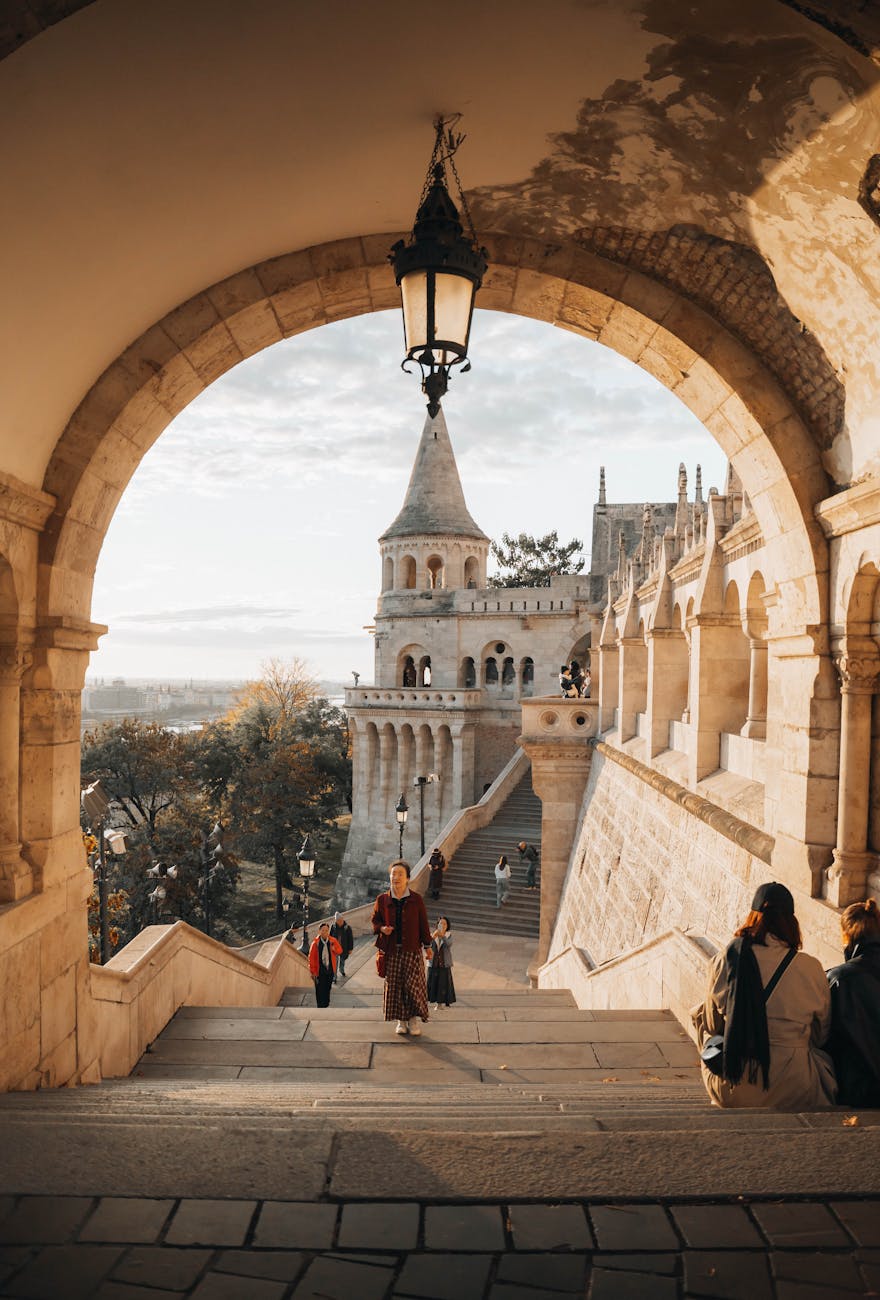
Fisherman’s Bastion and Castle District
The Fisherman’s Bastion and Castle District are also renowned for their charming cafés and atmospheric terraces, where visitors can relax and take in panoramic views of the Danube and Budapest skyline. The area’s cobblestone streets are lined with inviting spots to enjoy a coffee or pastry, making it an ideal location for leisurely breaks during sightseeing. In the evenings, the district’s illuminated monuments and tranquil ambiance provide a picturesque backdrop for romantic strolls or casual gatherings with friends.
Hungarian Cuisine
Hungarian cuisine is also characterized by its rich tradition of seasonal festivals and food-related celebrations. Throughout the year, towns and villages host lively events dedicated to local specialties such as paprika, sausages, and wines, offering visitors the chance to sample regional flavors straight from the source. These gatherings often feature cooking demonstrations, folk music, and artisan markets, making them a unique way to immerse yourself in Hungary’s culinary heritage and community spirit.
Chain Bridge
The Chain Bridge also plays a vital role in local celebrations and citywide events, often serving as a central point for festivals, marathons, and public gatherings. On certain national holidays, the bridge is adorned with decorative lights and sometimes even closed to vehicular traffic to accommodate parades, concerts, and open-air exhibitions. This transformation allows both residents and tourists to experience the bridge as a lively communal space, reflecting Budapest’s vibrant civic life and fostering a sense of unity across the city.
Heroes’ Square
Heroes’ Square is notable not only for its grand monuments but also for its role as a gathering place for art lovers, thanks to its proximity to two of Budapest’s premier cultural institutions: the Museum of Fine Arts and the Hall of Art (Műcsarnok). The square’s expansive open space is often used for open-air art installations and temporary exhibitions, creating a dynamic environment where visitors can encounter contemporary works alongside classical architecture. This blend of artistic expression and historical grandeur makes Heroes’ Square a vibrant hub for cultural engagement throughout the year.
Practical Info & FAQs
How to get there
By flying, Budapest Ferenc Liszt International Airport is the main gateway, located about 16 kilometers southeast of the city center, with direct flights available from most European capitals and many international cities. Reach the city center via the 100E airport shuttle bus, which goes directly downtown, or take the 200E bus to connect with the metro system, though taxis and ride-sharing services are also readily available.
By train, Budapest has excellent rail connections throughout Europe, with three main railway stations: Keleti, Nyugati, and Déli. The journey from Vienna takes about 2.5 to 3 hours, from Prague around 7 hours, and from Bratislava approximately 2.5 hours, making train travel a comfortable and scenic option from neighboring countries.
For those driving, Budapest is accessible via several major highways including the M1 from Vienna, the M3 from Ukraine, the M5 from Serbia, and the M7 from Croatia and Lake Balaton. International bus services like FlixBus also connect Budapest to cities across Europe and often offer the most budget-friendly option, though journey times are typically longer than trains.
Where to stay & eat
Budapest offers a range of accommodation and dining options to suit every budget and preference. For where to stay, the city is divided by the Danube River into Buda on the west and Pest on the east, each with its own character.
District V in Pest is the heart of the city, ideal if you want to be within walking distance of most major attractions like the Parliament Building and St. Stephen’s Basilica, though it tends to be pricier.
District VII, the old Jewish Quarter, has become incredibly popular with travelers for its vibrant nightlife, ruin bars, and more affordable boutique hotels and hostels. For quieter, more residential feel with stunning views, consider staying in Districts I or II on the Buda side near the Castle District, though you’ll need to cross the river to reach most restaurants and nightlife.
District VI around Andrássy Avenue offers an elegant atmosphere with beautiful architecture, upscale hotels, and proximity to both culture and dining.
When it comes to eating, Budapest’s culinary scene ranges from traditional Hungarian fare to innovative contemporary cuisine. For authentic Hungarian food, try classic dishes like goulash, chicken paprikash, and lángos at traditional restaurants such as Kispiac Bisztró or Bors GasztroBar.
The Central Market Hall is perfect for sampling local specialties and picking up Hungarian ingredients like paprika and salami. For a more upscale experience, restaurants like Onyx and Costes have earned Michelin stars for their modern takes on Hungarian cuisine. The ruin bars in the Jewish Quarter, particularly Szimpla Kert, offer not just drinks but also street food and a unique atmosphere in converted buildings.
Don’t miss trying traditional pastries at Gerbeaud Café or New York Café, both historic coffeehouses with stunning interiors. For budget-friendly options, the city has numerous lángos stands, chimney cake vendors, and local eateries where you can enjoy hearty meals without breaking the bank.
Travel Tips
Purchase a Budapest Card for unlimited public transportation and free or discounted entry to many attractions.
Explore both Buda and Pest sides of the city—each offers unique sights, from the historic Castle District to the lively ruin bars and shopping streets.
Relax in one of Budapest’s famous thermal baths, such as Széchenyi or Gellért, for a classic local experience.
Try traditional Hungarian dishes like goulash, lángos, and chimney cake at local markets or restaurants.
Take a sunset cruise on the Danube River to enjoy stunning views of the illuminated Parliament and city bridges.
Wear comfortable shoes; Budapest’s cobblestone streets and hills can be tough on your feet during a day of sightseeing.
Be mindful of pickpockets, especially in crowded areas like public transit, markets, and busy tourist spots.
Visit Central Market Hall early in the day for the freshest local produce and authentic souvenirs.
Learn a few basic Hungarian phrases—locals appreciate a friendly “Jó napot!” (Good day) or “Köszönöm” (Thank you).
Bring some cash, as smaller shops and cafés may not accept credit cards.

 What's Up With Perpie Lately