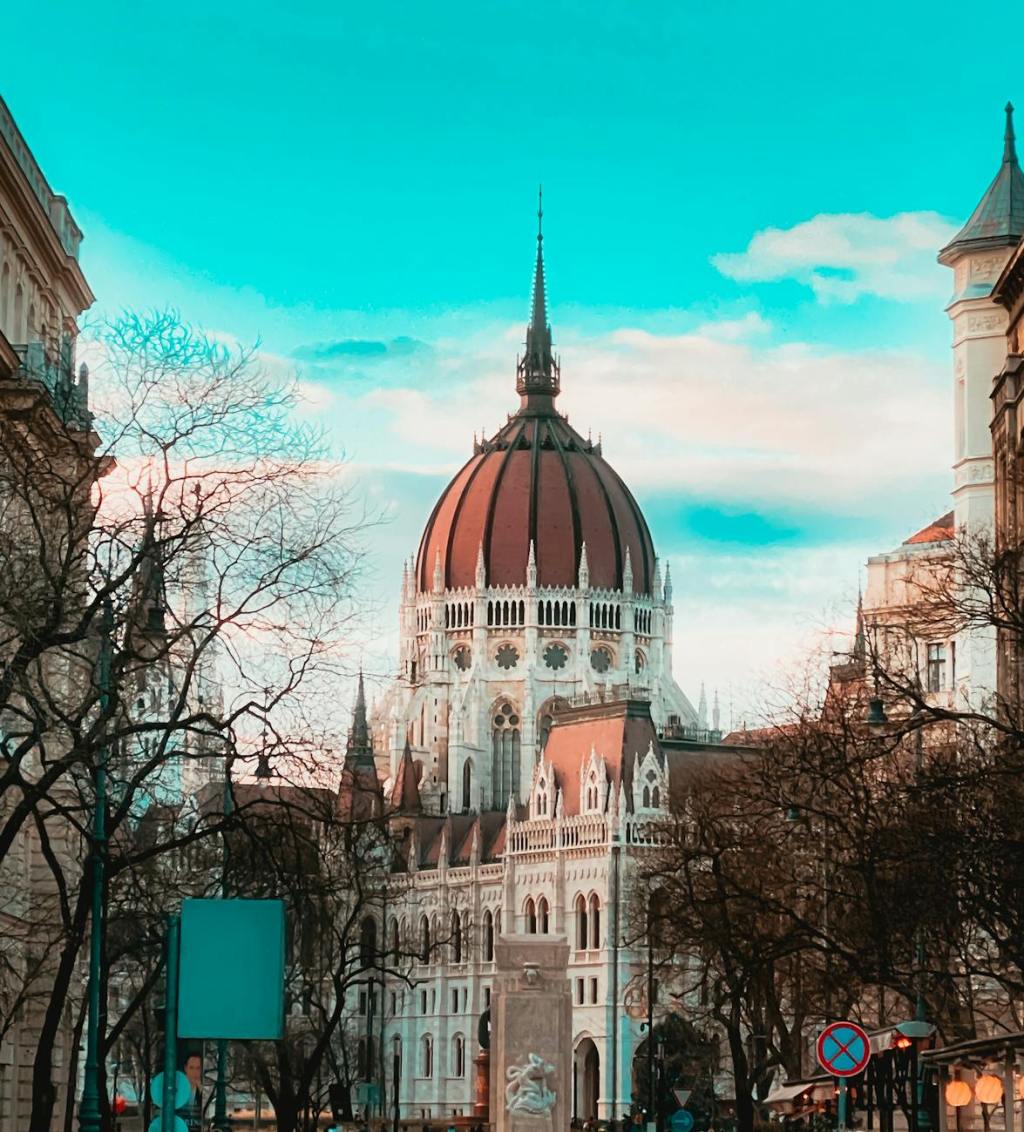
Hungary is a landlocked Central European country known for its distinctive Magyar language, rich cultural heritage including thermal baths in Budapest, and historical significance as part of the former Austro-Hungarian Empire. Here are a few reasons why you must go and I have to revisit Hungary.
Hungary is a landlocked Central European country with a unique cultural identity centered around its capital, Budapest, often called the “Pearl of the Danube.” The country is distinguished by its Magyar language, which is unrelated to most other European languages, and its rich history as part of the powerful Austro-Hungarian Empire until World War I.
Hungary is famous for its thermal baths, particularly those in Budapest, its distinctive cuisine featuring dishes like goulash and paprika, and its contributions to science and arts, including numerous Nobel Prize winners. The country’s landscape features the Great Hungarian Plain, Lake Balaton (Central Europe’s largest lake), and the Danube River, while its cultural heritage encompasses everything from traditional folk music and dance to stunning architecture ranging from medieval castles to Art Nouveau masterpieces.
I remember that I was around my second trimester with my oldest child when my hubby and I visited Budapest in 2016 for a long weekend. I enjoyed its thermal baths and the relaxing spas, as well as the distinct places to see in Budapest.
Not quite sure if we’ll have a chance to come back, but if ever we have to, here are the other places that we may try it out!
Budapest
Budapest, the capital of Hungary, is a city of striking beauty and rich history, divided by the Danube River into the hilly Buda and the flat, bustling Pest. It’s renowned for its grand architecture, including the Parliament Building and Buda Castle, as well as its famous thermal baths and vibrant cultural scene. With a mix of old-world charm and modern energy, Budapest offers a captivating experience for travelers seeking both relaxation and exploration.
Lake Balaton
Lake Balaton, often called the “Hungarian Sea,” is the largest lake in Central Europe and a beloved summer destination in Hungary. Stretching 77 km through the Transdanubian region, it offers a mix of resort towns, historic sites, and wine regions along its shores, with the northern side known for vineyards and the southern for beaches and nightlife. Popular towns like Siófok, Balatonfüred, and Tihany attract visitors with sailing, festivals, thermal spas, and scenic promenades, making Lake Balaton a vibrant blend of nature, culture, and relaxation.
Lillafüred
Lillafüred is a romantic resort town nestled in Hungary’s Bükk Mountains, just outside Miskolc, known for its fairy-tale scenery and rich history. Built in the late 19th century by Count András Bethlen, it features the neo-Renaissance Palace Hotel overlooking Lake Hámori, cascading hanging gardens, and Hungary’s tallest waterfall. Visitors can explore limestone caves like Anna and St. Stephen, ride the scenic forest railway, or enjoy boating on the lake, making Lillafüred a perfect blend of nature, culture, and tranquility.
Eger
Eger, nestled in northern Hungary between the Bükk and Mátra mountains, is a historic town renowned for its medieval castle, Baroque architecture, and thermal baths. It played a pivotal role in Hungarian history during the 1552 siege, where a small garrison heroically defended the fortress against a massive Ottoman army. Today, Eger charms visitors with its cobbled streets, the iconic minaret—the northernmost in Europe—and the Valley of the Beautiful Women, a wine district famous for its bold red “Bull’s Blood” wines.
Szentendre
Szentendre is a picturesque riverside town just north of Budapest, Hungary, known for its cobblestone streets, colorful Baroque architecture, and vibrant art scene. Originally settled by Serbian refugees in the 17th century, the town retains a Mediterranean ambiance and rich cultural heritage, showcased in its Orthodox churches, museums, and galleries. Popular with day-trippers, Szentendre offers a charming escape with scenic Danube promenades, artisan shops, and seasonal festivals that celebrate Hungarian and Balkan traditions.
Esztergom
Esztergom, one of Hungary’s oldest towns, sits majestically on the banks of the Danube River and was the country’s royal capital from the 10th to the mid-13th century. It is the birthplace of Hungary’s first king, St. Stephen, and remains the spiritual heart of Hungarian Catholicism, home to the Esztergom Basilica—the largest church in Hungary. With its rich history, stunning architecture, and scenic river views, Esztergom offers a compelling blend of heritage and natural beauty, making it a popular day trip from Budapest.
Pécs
Pécs, located in southwestern Hungary near the Croatian border, is a vibrant city known for its rich cultural heritage, Roman ruins, and Ottoman-era architecture. As the fifth largest city in Hungary, it boasts the country’s oldest university (founded in 1367), a UNESCO-listed Early Christian Necropolis, and a lively arts scene centered around the Zsolnay Cultural Quarter. With its Mediterranean atmosphere, historic churches, and scenic location at the foot of the Mecsek Mountains, Pécs offers a compelling blend of history, creativity, and natural beauty.
Hollókő
Hollókő is a charming village in northern Hungary, nestled in the Cserhát Mountains, and recognized as the country’s only UNESCO World Heritage village for its exceptional preservation of Palóc folk architecture and rural traditions. Dating back to the 13th century, the village features whitewashed wooden houses, cobbled streets, and a medieval castle steeped in legend, all still actively used by residents who maintain centuries-old customs. With its interactive museums, traditional cuisine, and seasonal festivals, Hollókő offers a living glimpse into Hungary’s cultural heritage and a peaceful escape from urban life.

 What's Up With Perpie Lately