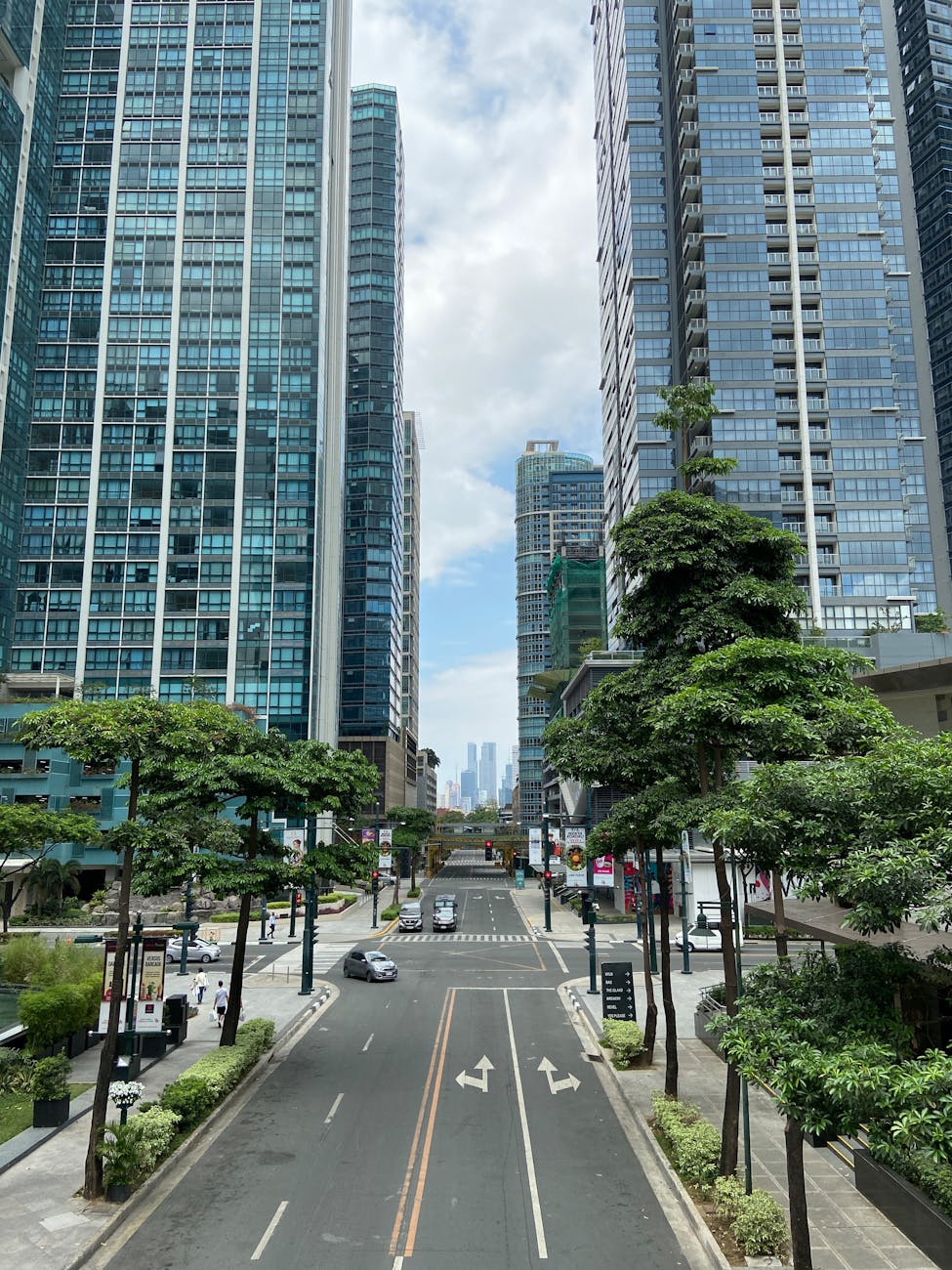
Manila, the historic capital, offers a soulful journey through colonial landmarks and bustling markets. Makati stands as the sophisticated financial heart, blending high-powered commerce with upscale dining and verdant parks. Meanwhile, Bonifacio Global City (BGC) represents the future: a sleek, pedestrian-friendly sanctuary defined by modern art, luxury, and global style.
Manila, Makati, and BGC are woven into the fabric of my everyday life, each city holding a special place in my memories of the Philippines. Years spent working in Makati immersed me in its bustling energy, cosmopolitan vibe, and ever-evolving skyline, while Manila’s history-rich streets and vibrant neighborhoods offered a constant sense of adventure. Bonifacio Global City (BGC), with its dynamic blend of modernity, green spaces, and lively dining and arts scenes, became a favorite destination for unwinding after work. Visiting these cities was once routine—a way of life that shaped my routines, friendships, and experiences long before I moved to Europe, leaving me with a deep connection to their rhythms and stories.
Manila, The Historical City
Manila, the dynamic capital of the Philippines, is a city where past and present meet in vibrant harmony. Founded in 1571 by Spanish conquistadors, Manila’s historic heart beats within Intramuros, the famed walled city. Here, visitors can wander along cobblestone streets, passing by colonial-era churches such as the San Agustin Church, the oldest stone church in the country, and Fort Santiago, a fortress steeped in the tales of Philippine resistance and heroism. The city’s story unfolds further at the National Museum, where Filipino art, pre-Hispanic relics, and historical artifacts are displayed, providing a comprehensive look at the nation’s journey through centuries of change.
Beyond its historical treasures, Manila is a city of diverse experiences. Binondo, recognized as the world’s oldest Chinatown, offers a tantalizing taste of Chinese-Filipino heritage, with bustling streets filled with authentic cuisine and specialty shops. Manila Bay is renowned for its stunning sunsets, best appreciated from the historic Manila Hotel or a lively baywalk café. Adventurous visitors can hop on a jeepney or ride a caritella—the city’s traditional modes of transport—for an authentic feel of local life. Manila’s streets are alive with the scent and flavor of street food and hidden culinary gems, inviting food lovers to sample everything from savory skewers to sweet halo-halo. The city’s shopping scene is equally vibrant, with places like Divisoria and Greenhills Shopping Center offering bargain hunts and a taste of the Filipino malling culture.
As day turns to night, Manila’s cosmopolitan energy shines through its lively nightlife and entertainment districts. From the historical ambiance of Intramuros and Binondo to the modern vibes of Makati and Bonifacio Global City, Manila offers something for every traveler. Whether you’re exploring cultural landmarks, relishing local flavors, or simply soaking in the city’s eclectic rhythm, Manila promises a rich tapestry of experiences that capture the heart and spirit of the Philippines.
Makati, the Finance & Business Epicenter
Makati, often hailed as the financial and business capital of the Philippines, has a fascinating history marked by rapid transformation. Originally a swath of swampland along the Pasig River, Makati’s name derives from “kati,” meaning tide, reflecting its early landscape. Its development accelerated in the 20th century when visionary developers and the Ayala family spearheaded urban planning, transforming it into a bustling metropolis. Today, Makati stands as a symbol of modernity and progress, with gleaming skyscrapers, luxury hotels, and sophisticated commercial complexes forming its distinctive skyline.

Visitors to Makati will find a wealth of experiences awaiting them. The Ayala Triangle Gardens, a lush urban park nestled amid high-rises, offers a tranquil oasis for relaxation, jogging, or picnicking. Art lovers can explore the Ayala Museum, renowned for its exhibits on Filipino culture, pre-Hispanic gold, and historical dioramas. For shopping enthusiasts, Glorietta and Greenbelt malls provide an upscale retail experience, featuring international brands, local designers, and diverse dining options. Nightlife flourishes in Poblacion, Makati’s vibrant district teeming with bars, clubs, and rooftop lounges, while Salcedo Saturday Market treats visitors to artisanal food and crafts.
Makati’s cosmopolitan character is matched by its cultural depth. Stroll through the district’s leafy avenues to discover eclectic galleries, stylish cafés, and architectural landmarks such as the century-old Saints Peter and Paul Church in Barangay Poblacion. Whether you’re savoring gourmet cuisine, attending art events, or simply enjoying the city’s dynamic pace, Makati promises a rich blend of contemporary leisure and Filipino heritage for every traveler.
BGC, the New Uptown City
Bonifacio Global City (BGC), often referred to as “The Fort,” is a master-planned urban district located in Taguig, Metro Manila. Once a military base known as Fort Bonifacio, the area underwent a dramatic transformation in the late 1990s when it was redeveloped into a modern commercial and lifestyle hub. Today, BGC stands as a symbol of the Philippines’ rapid urban progress, featuring a skyline filled with sleek high-rises, innovative architecture, and wide, pedestrian-friendly avenues. Its history is intertwined with the country’s growth, evolving from a military stronghold into a vibrant center for business, culture, and leisure.
Visitors to BGC are greeted with an array of attractions and activities. Art enthusiasts can stroll along the district’s open-air galleries, where colorful murals and public sculptures dot the landscape. High Street, the main commercial strip, offers a blend of upscale shops, trendy cafés, and international dining experiences, making it a favorite for both locals and tourists. Parks like Track 30th and Terra 28th provide green spaces for outdoor fitness, yoga, or simply relaxing amid the urban buzz. For families, attractions such as Mind Museum—a world-class interactive science center—promise educational fun, while nightlife thrives in the district’s stylish bars and rooftop lounges.
BGC’s appeal also lies in its accessibility and safety, with well-maintained roads and a lively yet orderly atmosphere. Frequent cultural events, weekend markets, and pop-up festivals fill the calendar, creating a dynamic environment that welcomes everyone. Whether you’re exploring its innovative public art, savoring culinary delights, or enjoying its energetic ambiance, Bonifacio Global City offers a fresh and exciting urban experience at the heart of Metro Manila.
Practical Info & FAQs
Travel Tips
Plan your trips around peak traffic hours—Metro Manila traffic can be intense, especially during rush hour.
Use ride-hailing apps like Grab for convenience and safety; taxis are available but may not always use the meter.
Carry small bills and coins, as many shops, markets, and jeepney drivers may not have change for large denominations.
Explore Makati’s vibrant food scene, from trendy cafés in Poblacion to upscale restaurants in Greenbelt and Salcedo Village.
Bonifacio Global City (BGC) is pedestrian-friendly with public art installations—take time to walk around and discover murals and sculptures.
Stay hydrated and bring an umbrella; Manila’s weather can be hot, humid, and prone to sudden rain showers.
Visit weekend markets like Salcedo Market in Makati or BGC’s Farmers Market for local delicacies and fresh produce.
Be mindful of security checks when entering malls and buildings; bag inspections are standard practice for safety.
Try using the MRT and LRT for certain routes, but avoid them during peak hours if you want to skip the crowds.
Respect local customs and be polite—Filipinos are known for their hospitality and will appreciate a friendly attitude.

 What's Up With Perpie Lately
You must be logged in to post a comment.