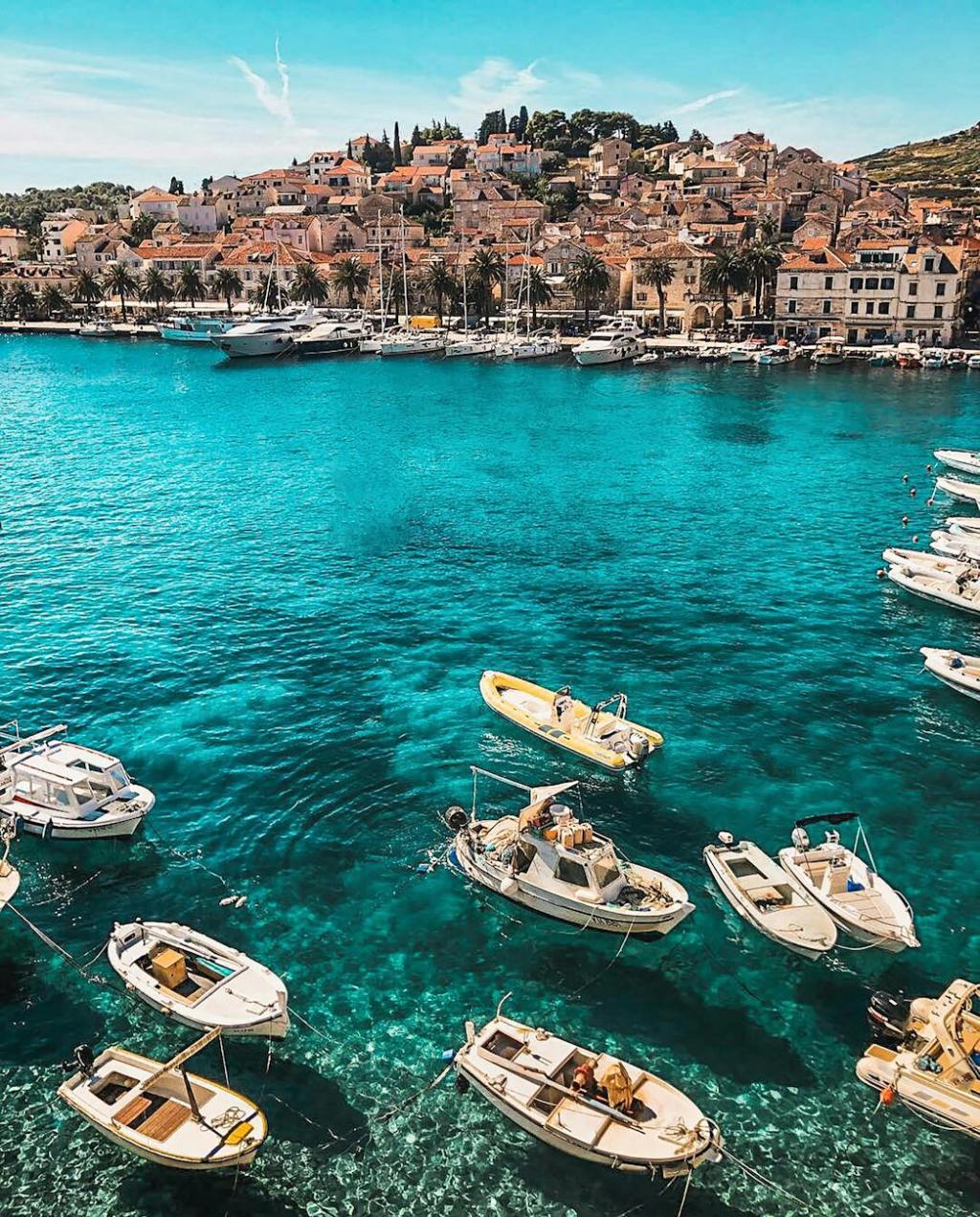
Discover Croatia’s stunning Adriatic coastline, ancient cities, and vibrant culture for an unforgettable travel adventure. Here are a few reasons why you must go and visit Croatia.
Croatia’s breathtaking beaches stretch along the crystal-clear Adriatic Sea, from the pebbled shores of Makarska to the golden sands of Zlatni Rat. Ancient cities like Dubrovnik and Split captivate visitors with their centuries-old architecture, vibrant street life, and UNESCO World Heritage sites. Indulge in delicious Mediterranean cuisine, sail among hundreds of idyllic islands, and experience lively festivals that showcase Croatia’s rich traditions and local hospitality. Whether you’re seeking adventure, history, or relaxation, Croatia promises a travel experience that’s both dynamic and unforgettable.
Last summer in 2023, together with another family, we went on for a road trip traversing Germany, Austria, Slovenia and Croatia. The last leg of our summer road trip was our stay in a family resort in Rovinj. So, of course, we visited Rovinj’s old town, its nearby villages and savored on Croatian’s cevapcici (I’m a big fan of this kind of sausage or meatball, sort of) and truffle-based dishes. What a delightful stay in this beautiful town and for sure, with this teaser, Croatia has lots to offer. We’ve already come up with a list (quite a long one, look!), and we look forward to revisiting Croatia and get swooned all over again.
Dubrovnik
Dubrovnik, often called the “Pearl of the Adriatic,” is a breathtaking coastal city in southern Croatia, renowned for its medieval Old Town encircled by massive stone walls and overlooking the sparkling blue sea. Travelers flock here to walk the historic city walls, explore Game of Thrones filming locations, relax on beaches like Banje and Lapad, and take scenic boat trips to nearby islands such as Lokrum and the Elaphites. With its blend of Baroque, Romanesque, and Renaissance architecture, vibrant culture, and stunning views, Dubrovnik offers an unforgettable mix of history, beauty, and Mediterranean charm.
Split
Split, Croatia’s second-largest city, is a vibrant coastal gem known for its stunning blend of ancient history and modern Mediterranean charm. At its heart lies Diocletian’s Palace, a UNESCO World Heritage Site and one of the world’s best-preserved Roman monuments, now bustling with shops, cafés, and local life. With its scenic Riva promenade, nearby beaches, and easy access to islands like Hvar and Brač, Split is a perfect base for exploring the Dalmatian coast while soaking in the city’s relaxed atmosphere and rich cultural heritage.
Zagreb
Zagreb, the capital of Croatia, is a charming and walkable city that blends Austro-Hungarian architecture with a lively café culture and quirky museums like the Museum of Broken Relationships. Visitors can explore the historic Upper Town with its cobbled streets, St. Mark’s Church, and sweeping views from Lotrščak Tower, or enjoy the vibrant Lower Town filled with shops, parks, and art nouveau buildings. Less crowded than Croatia’s coastal cities, Zagreb offers a relaxed atmosphere, rich history, and a growing culinary scene that makes it a rewarding destination year-round.
Plitvice Lakes National Park
Plitvice Lakes National Park, a UNESCO World Heritage Site in central Croatia, is renowned for its 16 cascading lakes and over 90 waterfalls that shimmer in shades of turquoise, emerald, and deep blue. Visitors can explore the park via wooden boardwalks and scenic hiking trails that wind through lush forests and over crystal-clear waters, offering breathtaking views at every turn. As Croatia’s oldest and most famous national park, Plitvice is a must-see destination for nature lovers, photographers, and anyone seeking a magical escape into the wild.
Lipno Lake
Lipno Lake, often called the “Czech Sea,” is the largest reservoir in the Czech Republic, nestled in the scenic Šumava countryside near the Austrian border. Originally created to prevent flooding in Český Krumlov, it has become a year-round destination offering summer activities like swimming, sailing, cycling, and treetop walks, and winter sports such as skiing and ice skating. With charming lakeside towns like Lipno nad Vltavou and Frymburk, plus natural beauty and family-friendly attractions, Lipno Lake is ideal for both adventure and relaxation.
Kopački Rit Nature Park
Kopački Rit Nature Park, located at the confluence of the Danube and Drava rivers in eastern Croatia, is one of Europe’s largest and best-preserved wetlands, often referred to as the “European Amazon”. Spanning over 23,000 hectares, the park is a haven for biodiversity, home to more than 2,300 animal species including wild horses, otters, deer, and over 300 bird species such as white-tailed eagles and black storks. Visitors can explore its stunning mosaic of lakes, reed beds, and floodplain forests through scenic boat tours, birdwatching excursions, and tranquil nature walks, making it a must-visit destination for eco-tourism enthusiasts.
Šibenik
Šibenik, a historic coastal city in central Dalmatia, is known for its stunning medieval architecture, including the UNESCO-listed Cathedral of St. James, built entirely of stone without mortar or wood. Nestled between Split and Zadar, Šibenik offers a quieter, more authentic Croatian experience with its maze-like old town, charming squares, and scenic waterfront promenade. It also serves as a gateway to natural wonders like Krka National Park and the Šibenik archipelago, making it a perfect blend of culture, history, and nature for travelers seeking a less-crowded Adriatic escape.
Zadar
Zadar, a coastal city on Croatia’s Dalmatian shore, offers a unique blend of ancient history and modern creativity, with Roman ruins, Venetian architecture, and contemporary art installations like the Sea Organ and Greeting to the Sun. Its compact Old Town, set on a peninsula, is perfect for strolling past medieval churches, bustling markets, and scenic waterfronts where sunsets are famously breathtaking. With easy access to nearby islands and national parks, Zadar is an ideal base for travelers seeking both cultural depth and natural beauty without the crowds of Croatia’s more famous cities.
Hvar Town
Hvar Town, nestled on the sun-drenched island of Hvar, is a glamorous yet historic destination known for its Venetian architecture, lively harbor, and vibrant nightlife. Visitors can stroll through cobblestone streets, relax in scenic squares like St. Stephen’s, and enjoy panoramic views from the hilltop Fortica Fortress. With easy access to the nearby Pakleni Islands, upscale beach clubs, and a laid-back Mediterranean vibe, Hvar Town offers a perfect blend of elegance, culture, and coastal charm.
Vis Island
Vis Island, the most remote inhabited island off Croatia’s mainland, offers a peaceful escape with its untouched landscapes, crystal-clear waters, and rich history as a former Yugoslav military base. Unlike its bustling neighbor Hvar, Vis is known for its quiet charm, featuring traditional fishing villages like Komiža, scenic vineyards, and natural wonders such as the Blue and Green Caves. With its slow pace, cinematic beauty (famously featured in Mamma Mia 2), and authentic local experiences, Vis is a hidden gem perfect for travelers seeking tranquility and adventure off the beaten path.
Pag Island
Korčula Town, perched on a narrow peninsula of Korčula Island in southern Dalmatia, is a beautifully preserved medieval gem often referred to as “Little Dubrovnik” for its fortified walls and charming stone architecture. Its Old Town features a unique fishbone street layout designed to channel sea breezes while protecting against strong winds, and is home to landmarks like St. Mark’s Cathedral and the alleged birthplace of explorer Marco Polo. With its blend of Venetian and Gothic-Renaissance influences, scenic waterfront promenades, and laid-back island vibe, Korčula Town offers a magical escape steeped in history, culture, and Adriatic beauty.
Silba
Silba is a serene, car-free island in Croatia’s Zadar archipelago, known for its pristine beaches, lush forests, and peaceful atmosphere that makes it ideal for a digital detox or romantic escape. The island’s only settlement, Silba Town, charms visitors with its maritime heritage, captain’s houses, and the iconic Tower of Love—a romantic monument built by a sea captain for his beloved. With crystal-clear waters perfect for swimming and snorkeling, scenic walking paths, and a vibrant cultural scene, Silba offers a tranquil slice of Adriatic paradise far from the bustle of Croatia’s more touristy destinations.
Rovinj
Rovinj, located on Croatia’s Istrian Peninsula, is a romantic coastal town known for its pastel-colored houses, cobbled alleys, and vibrant harbor that reflect its Venetian heritage. The pedestrian-only Old Town, perched on a hilly peninsula, invites visitors to wander through art galleries, charming squares, and scenic viewpoints, with the Church of St. Euphemia offering panoramic views over the Adriatic. With rocky beaches, cliffside bars, and easy access to nearby Istrian gems, Rovinj is a perfect blend of history, culture, and seaside relaxation.
Gorski Kotar
Gorski Kotar, often called the “Green Heart of Croatia,” is a lush, mountainous region filled with dense forests, crystal-clear rivers, and tranquil lakes that offer a refreshing escape from the Adriatic coast. Ideal for nature lovers and adventure seekers, it features Risnjak National Park, the dramatic Devil’s Passage canyon, and scenic spots like Lake Bajer and the source of the Kupa River. With its peaceful villages, hearty highland cuisine, and opportunities for hiking, kayaking, bear-watching, and winter sports, Gorski Kotar is a hidden gem that showcases Croatia’s wild and serene side.
Zagorie
Zagorje, a picturesque region in northern Croatia just north of Zagreb, is known for its rolling green hills, fairy-tale castles like Trakošćan and Veliki Tabor, and soothing thermal spas such as Tuheljske and Krapinske Toplice. Rich in history and culture, it offers charming villages, pilgrimage sites like Marija Bistrica, and traditional delicacies such as štrukli and Zagorje turkey with mlinci. Whether you’re hiking through scenic valleys, relaxing in mineral-rich waters, or exploring medieval fortresses, Zagorje provides a tranquil and authentic Croatian experience away from the coastal crowds.

 What's Up With Perpie Lately