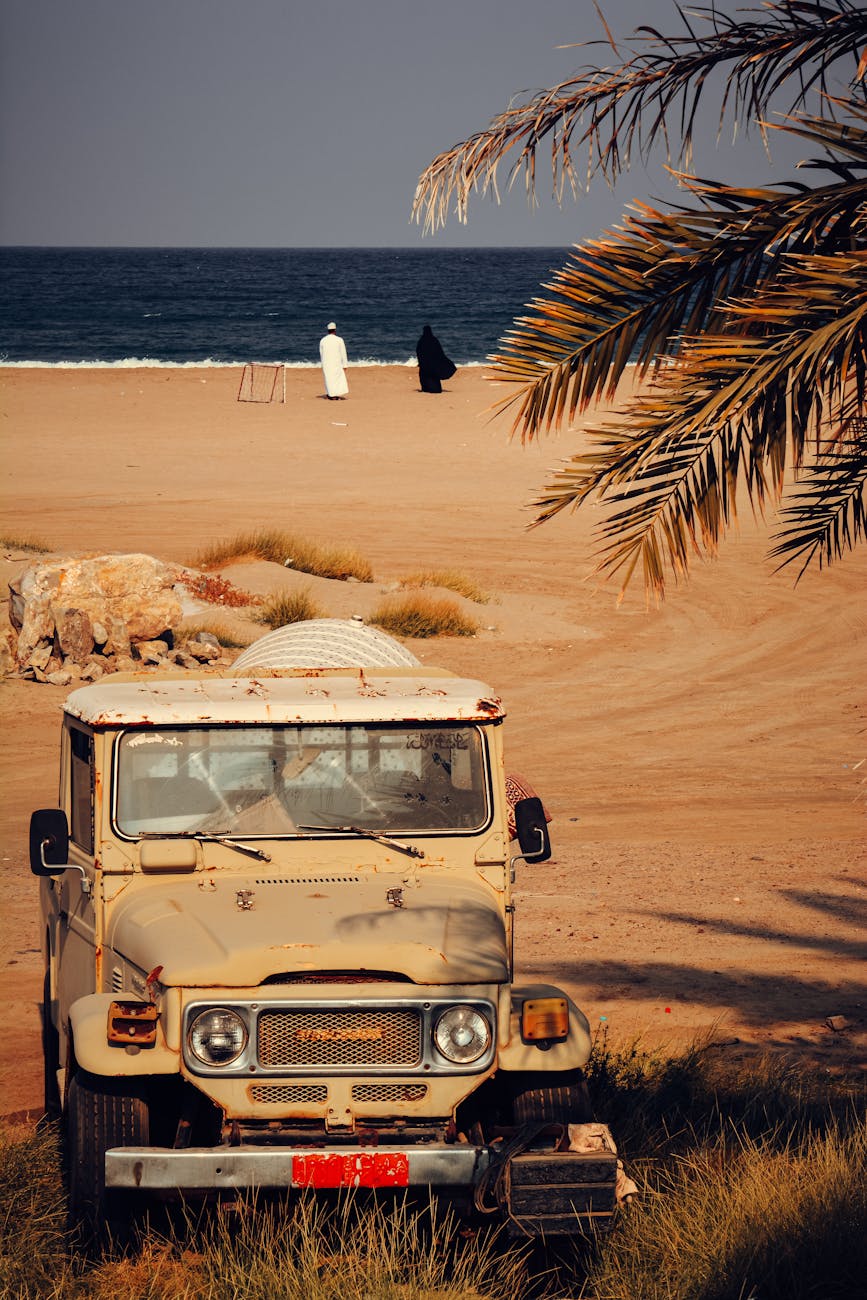
Oman is a sultanate on the Arabian Peninsula known for its diverse landscapes including mountains, deserts, and pristine coastlines, as well as its rich cultural heritage, traditional architecture, and reputation for warm hospitality.
We truly enjoyed our road trip around Oman in 2025. The visits to its wadis, the overnight stay in the desert, the historic forts and old towns, the four-wheel drive experience in Oman’s adventurous mountain pass, the challenging hikes, the exquisite hotel resorts that we stayed in…all these are absolutely unforgettable.
About Oman
The Sultanate of Oman occupies the southeastern corner of the Arabian Peninsula, distinguished by its remarkable geographic diversity and rich cultural heritage. Unlike its Gulf neighbors, Oman combines mountainous landscapes, vast deserts, and over 3,000 kilometers of pristine coastline along the Arabian Sea, Gulf of Oman, and Strait of Hormuz.
Under the progressive leadership of the late Sultan Qaboos (1970-2020) and continuing with Sultan Haitham bin Tariq, Oman transformed from isolation into a developed nation while carefully preserving its cultural identity. The country maintains a policy of diplomatic neutrality and serves as a regional mediator.
Oman’s cultural landscape features impressive forts, ancient irrigation systems (aflaj), traditional dhow shipbuilding, and distinctive regional architecture. The nation’s trading history created a multicultural society with influences from East Africa, India, and Persia alongside indigenous Arab traditions.
The economy blends oil revenues with growing tourism and logistics sectors. Visitors are drawn to Oman’s authentic Arabian experiences, from exploring the massive dunes of Wahiba Sands to witnessing sea turtles nesting at Ras Al Jinz and navigating the dramatic fjords of Musandam.
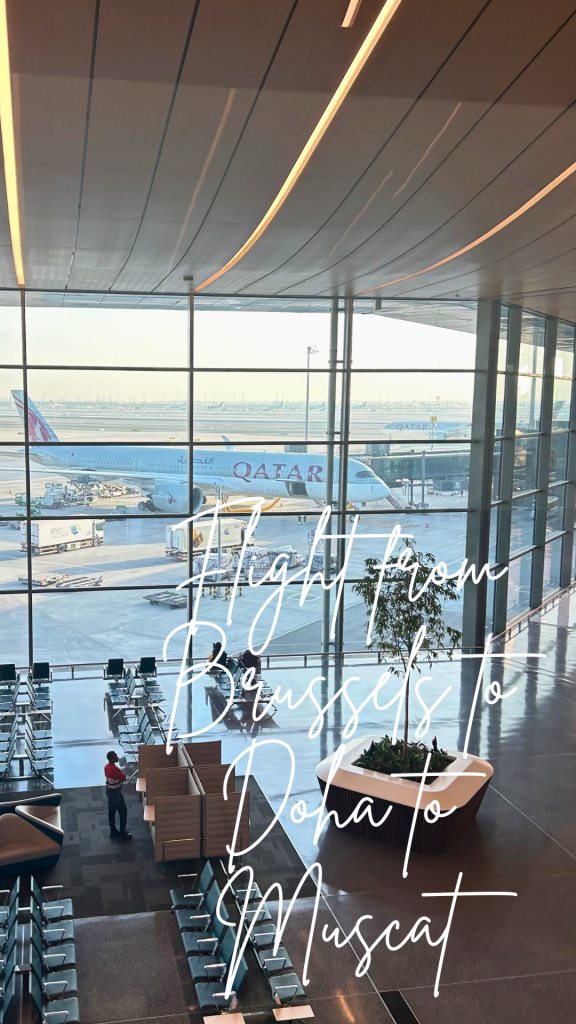
7AM CST Arrived in Brussels Airport
9AM En route to Doha
4PM AST Arrived in Qatar Airport
10PM Arrived in Muscat Airport
11PM Arrived in Intercity Hotel
12MN Knocked out, good night!
#TravelVlog @perpietravelslately #PerpieInOman #TravelwithPerpieLately
CLICK ON THE IMAGE TO WATCH ON INSTAGRAM
A Day in Muscat
Muscat, Oman’s capital city, gracefully stretches along the Gulf of Oman’s coastline, offering a harmonious balance between cultural heritage and modern development. Unlike many Gulf capitals, Muscat maintains a distinctly traditional architectural character with strict building codes limiting height and mandating traditional design elements.
The cityscape is dominated by the striking Sultan Qaboos Grand Mosque, featuring a massive Swarovski crystal chandelier and the world’s second-largest hand-woven carpet. The historic district showcases the twin Portuguese-built forts of Al Jalali and Al Mirani. They guard the entrance to the old harbor. The ceremonial Al Alam Palace, the Sultan’s official residence, stands there with its distinctive gold and blue columns.
Muscat’s corniche, Muttrah, offers a picturesque waterfront promenade. It leads to one of Arabia’s oldest souks. In the souk, narrow alleyways reveal treasures from frankincense to handcrafted silver. The city’s natural setting between jagged mountains and azure waters creates dramatic scenery, with pristine beaches and hidden coves.
As a cultural hub, Muscat houses the magnificent Royal Opera House, showcasing both international and traditional performances while preserving Omani heritage.
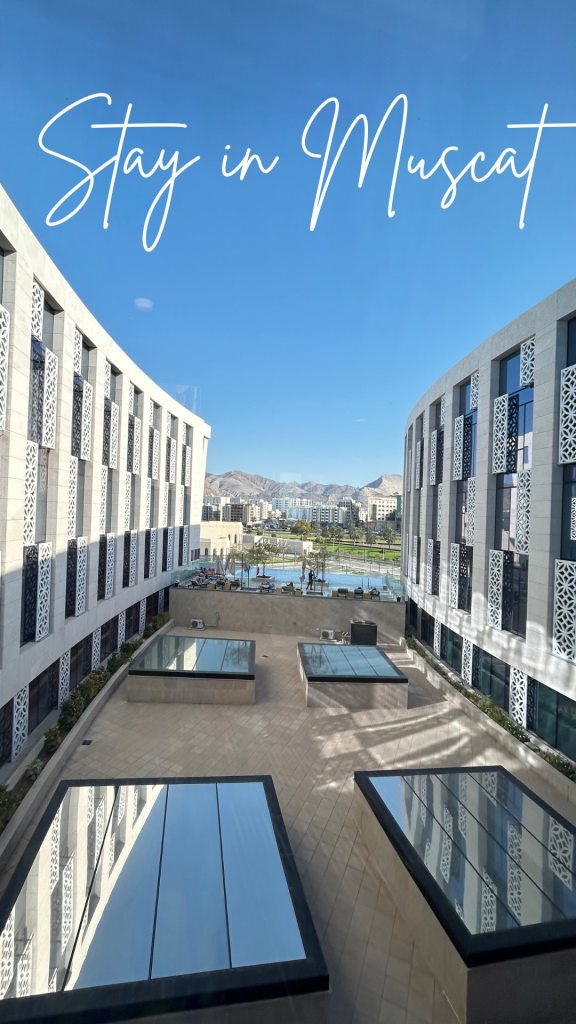
We took our sweet time to get some rest and more sleep after that long flight. Imma wasn’t feeling well so Amber & Papa went to the pool after breakfast. By lunch, Imma finally woke up and decided to go for a swim. By afternoon, all freshened up, off we went to Mutrah Souq, and went to a local grill & juice bar restaurant for dinner. 😅 Juice bar, it’s so popular here in Oman!
We saw the sultan’s yachts by the Corniche. Back to the souq, we got surrounded with gold jewelries, frankincence & more incense, fine cashmeres & pashminas, and all we took are 1-rial worth of Muscat souvenirs: a fridge magnet (for mama), a keychain (for Imma) & 2 tiny bottles of muscat flower perfume (for us girls). Papa’s panicking already when Amber wanted all the gold she could find in the souq.
#TravelVlog @perpietravelslately #PerpieInOman #TravelwithPerpieLately
CLICK ON THE IMAGE TO WATCH ON INSTAGRAM
Bimmah Sinkhole
The Bimmah Sinkhole, locally known as Hawiyat Najm (Falling Star), is a spectacular geological formation located in Oman’s Hawiyat Najm Park, approximately 100 kilometers southeast of Muscat. This natural limestone depression measures roughly 40 meters wide and 20 meters deep. It is filled with striking turquoise-blue waters. These waters create a mesmerizing contrast against the surrounding rocky terrain.
According to local folklore, the sinkhole was created by a meteorite strike—hence its Arabic name—though scientists attribute its formation to the collapse of a limestone cave ceiling due to groundwater erosion over thousands of years. The resulting pool is fed by both freshwater from underground sources and saltwater seeping in from the nearby Gulf of Oman.
The Omani government has developed the site with visitor facilities. These facilities include stairs carved into the limestone leading down to the water’s edge. There is also a viewing platform, picnic areas, and restrooms. The crystal-clear waters maintain a comfortable temperature year-round, inviting visitors to swim alongside small fish that inhabit the pool.
Bimmah Sinkhole is one of Oman’s most photogenic attractions. It is also highly accessible. It combines geological intrigue with refreshing recreational opportunities. The setting is picturesque and desert-like.
Wadi Shab
Wadi Shab, one of Oman’s most breathtaking natural attractions, lies approximately 140 kilometers southeast of Muscat along the coastal highway toward Sur. This dramatic canyon features emerald pools, towering limestone cliffs, and lush vegetation creating an oasis-like environment in stark contrast to the surrounding arid landscape.
The wadi adventure begins with a short boat ride across its mouth where it meets the Gulf of Oman. Visitors then follow a well-trodden path alongside a series of turquoise freshwater pools fed by mountain springs. The roughly 40-minute hike traverses boulder fields and palm groves, occasionally requiring wading through shallow waters.
The journey culminates at a series of deep swimming pools where visitors can cool off in crystal-clear waters. For the adventurous, swimming through a narrow gap between rocks reveals a hidden grotto. Inside, a small waterfall cascades from the ceiling. The acoustics within this concealed chamber create a magical atmosphere that rewards those willing to make the challenging swim.
Wadi Shab perfectly exemplifies Oman’s diverse natural beauty. It offers a perfect blend of hiking, swimming, and exploration. Visitors enjoy a spectacularly scenic setting that showcases the country’s unique geological wonders.
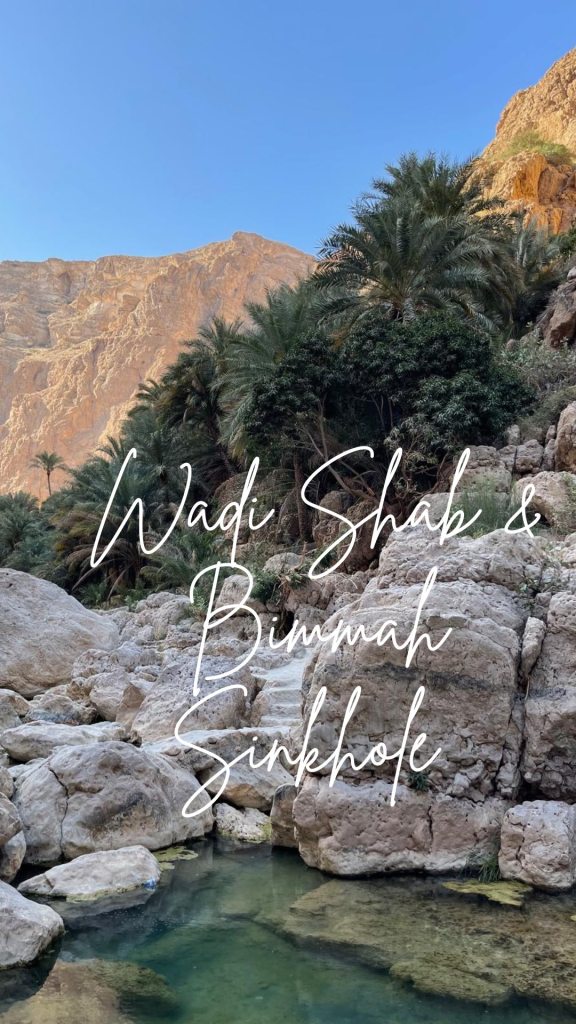
We departed from Muscat with our 4WD and off we went to visit our first stop, the Bimmah Sinkhole. The sinkhole is a crater formed by an earthquake where you can take a refreshing dip.
Then we went towards Wadi Shab, a gorge of orange rocks with an oasis of palm trees and turquoise pools. This is perhaps the most beautiful wadi in the country.
Imma had been under the weather so we opted not to finish the hike and returned back way too early. It’s a good call afterall, as these boulders of rocks would have totally bogged us down. Beautiful at the end of the hike indeed, but not meant for the familie Claes, for now.
At the end of the day, we stayed at Best Western hotel situated in the port town of Sur.
#TravelVlog @perpietravelslately #PerpieInOman #TravelwithPerpieLately
CLICK ON THE IMAGE TO WATCH ON INSTAGRAM
Wadi Bani Khalid
Wadi Bani Khalid stands as one of Oman’s most accessible and spectacular wadis, located in the eastern Al Sharqiyah region about 200 kilometers from Muscat. Unlike many seasonal wadis that run dry, this natural wonder maintains flowing water year-round. It creates a lush paradise amid the rugged Hajar Mountains and surrounding desert landscape.
The wadi features a series of large, emerald-green natural pools connected by small waterfalls and streams. The main pool area, known as Muqal, presents a wide, deep swimming basin framed by smooth limestone rocks and shaded by date palms. Crystal-clear waters reveal colorful fish while offering perfect swimming conditions.
Beyond the main pools, adventurous visitors can hike upstream through narrowing canyon passages. They can discover Moqal Cave, a partially water-filled limestone cavern. Accessing it requires a short swim and climb. The surrounding landscape showcases traditional farming terraces where local villagers cultivate dates and other crops using ancient falaj irrigation systems.
Well-developed facilities include parking, restrooms, and a small café, making Wadi Bani Khalid accessible to visitors while maintaining its natural splendor as a quintessential example of Oman’s diverse and breathtaking topography.
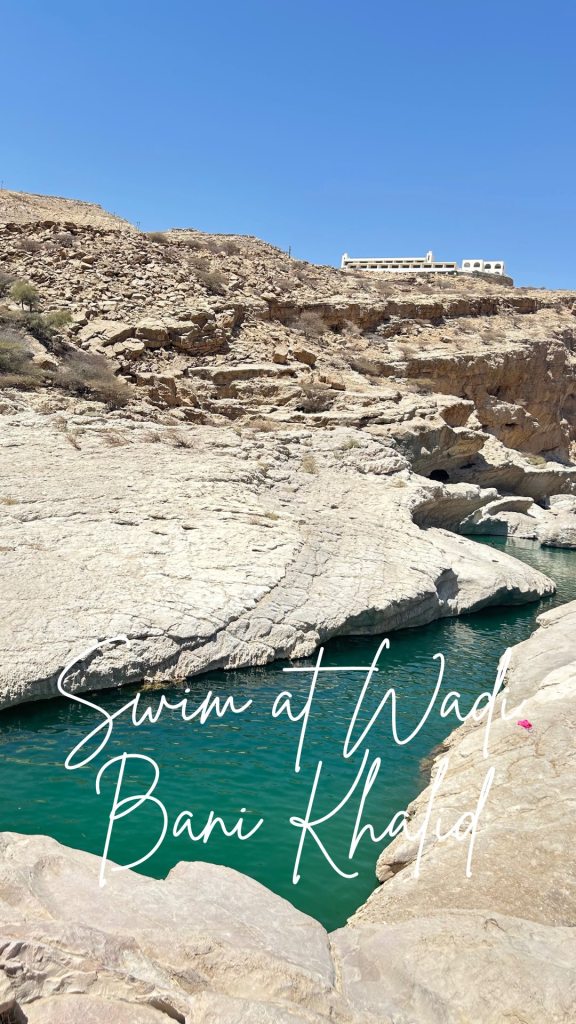
We left Sur to drive to the vast plains of the Wahiba Sands. On the way we cool off in this green oasis at Wadi Bani Khalid.
The evergreen Wadi Bani Khalid is one of the most famous wadis in the entire Sharqiyah region. There is a continuous flow of water all year round. The area is characterized by turquoise water holes with tall palm trees and large boulders.
Unlike Wadi Shab, Wadi Bani Khalid does not require an adventurous hike. After an easy walk of about ten minutes, you will already find the first pool. This makes it an easily accessible wadi and therefore also very suitable for families and people with limited mobility. Wadi Bani Khalid is large enough to find a nice spot to swim or enjoy a picnic.
Imma & Amber liked this visit a lot as they spent time swimming around this poolside of the wadi, surrounded by canyon-like rocks and with cool, refreshing water & small fishes.
After the day in the oasis, off we went to the meet up point where we met our guide who led us to Sama Desert Camp. The camel wasn’t included, but we saw lots! 😅
#TravelVlog @perpietravelslately #PerpieInOman #TravelwithPerpieLately
CLICK ON THE IMAGE TO WATCH ON INSTAGRAM
Wahiba Sands
The Wahiba Sands (also called Sharqiya Sands) is a vast desert region in eastern Oman covering approximately 12,500 square kilometers. This stunning landscape features golden-orange sand dunes that rise up to 100 meters high, arranged in long parallel ridges shaped by monsoon winds.
The desert is home to Bedouin tribes who have adapted to the harsh environment for generations, maintaining traditional lifestyles while increasingly engaging with tourism. The area hosts diverse wildlife including foxes, gazelles, and over 200 plant species that survive despite minimal rainfall.
Visitors enjoy various activities. They include dune bashing, camel rides, and sandboarding. Overnight stays in desert camps offer experiences of spectacular sunsets and star-filled night skies. The contrast between the tranquil desert and nearby wadis (valleys) with refreshing pools offers a unique ecological experience. The Wahiba Sands represents both Oman’s natural beauty and its cultural heritage.
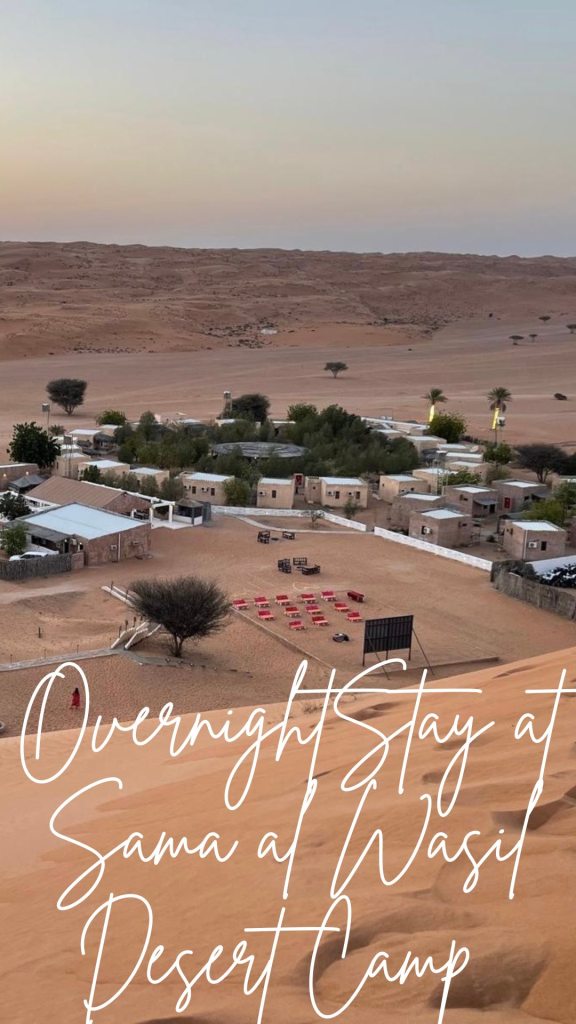
After the stop at the green oasis, it is time for one of the most beautiful sand deserts in the world, the Wahiba Sands. We drove to the desert village of Al Wasil and then went deep into the desert for the night at Sama Al Wasil Desert Camp. We dined around the campfire, enjoying the grandeur and silence of the desert and sleep under the stars.
The Wahiba Sands are located in the middle of Oman and are probably the most famous desert in Oman. The desert consists of an area of approximately 180 km by 80 km and in every respect meets your dream image of a desert. Wahiba is known for the high dunes (up to 200m) and the beautiful red and yellow colors. These colors are created by the combination of desert sand and sea sand that is blown into the desert from the east coast. This desert is also referred to as Sharqiya Sands, after the name of the province As Sharqiya.
#TravelVlog @perpietravelslately #PerpieInOman #TravelwithPerpieLately
CLICK ON THE IMAGE TO WATCH ON INSTAGRAM
Ibra
Ibra is a historic town in northeastern Oman’s Sharqiyah Region, situated at the edge of the Sharqiya Sands desert. Once a prosperous center for trade and scholarship, Ibra served as an important stop on ancient caravan routes connecting coastal regions with interior Oman.
The town is renowned for its traditional Wednesday women’s market (souk al-Harim), where local women sell handcrafted goods, textiles, and Omani delicacies without male presence. Ibra’s rich heritage is visible in its well-preserved mud-brick buildings. You can see it in the ancient watchtowers. The crumbling merchant houses of Al Munisifeh showcase traditional Omani architecture.
Ibra’s palm plantations, fed by the falaj irrigation system, provide dates and other crops to the community. The town balances preserving its cultural traditions while developing modern amenities. Strategically located between Muscat and the Wahiba Sands, Ibra offers visitors authentic insights into Omani history and culture away from more touristed areas.
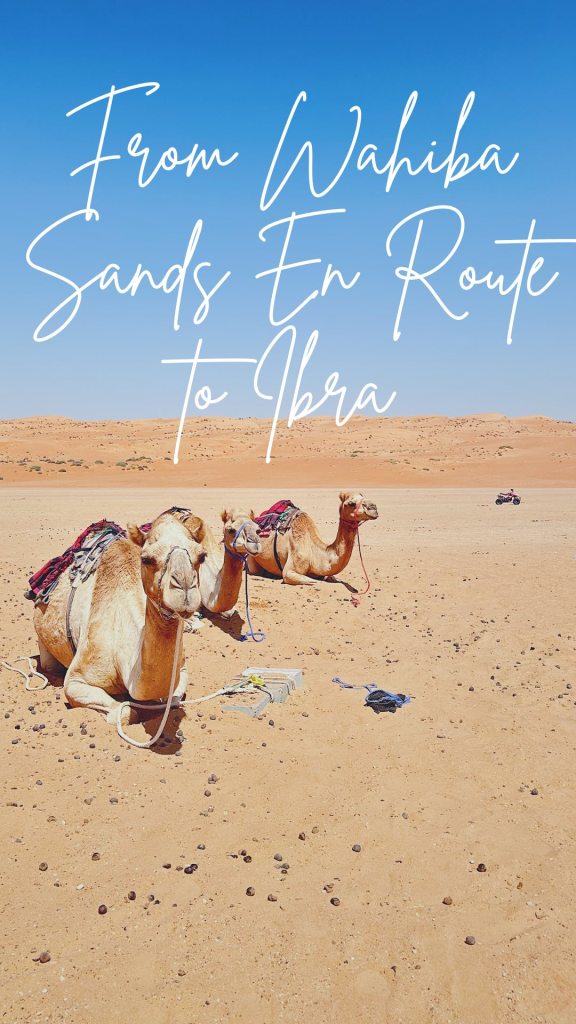
After leaving the desert camp, we passed by Ibra, an ancient city that predates the calling of Prophet Mohammed. We almost gave up exploring Ibra because it was hard to find the city’s places of interest. After further exploring the smaller streets and passing through a dried-up river, we came across the ruin of Al Shibbaak Castle-Alayat and Bait Al Darwaza, which showcased an ancient settlement, still preserved. Other sights include the many neat watchtowers on the surrounding hills and the remains of the old city wall.
#TravelVlog @perpietravelslately #PerpieInOman #TravelwithPerpieLately
CLICK ON THE IMAGE TO WATCH ON INSTAGRAM
Nizwa
Nizwa is a historic city in central Oman, nestled at the foot of the Al Hajar Mountains about 140 kilometers from Muscat. Once the capital during the 6th and 7th centuries, it remains a cultural and economic hub for the interior region.
The city is dominated by Nizwa Fort, a massive circular stronghold built in the 17th century that stands as one of Oman’s most impressive architectural achievements. Adjacent to the fort is Nizwa Souq, famous for its intricate silverwork, pottery, and the lively Friday goat market where locals trade livestock through traditional auctions.
Nizwa serves as a gateway to surrounding mountains, wadis, and ancient villages. The city is renowned for its date plantations irrigated by the traditional falaj water system. Nizwa boasts a blend of well-preserved heritage sites. It holds religious significance as a center of Islamic learning. Its strategic location connects Oman’s interior with coastal regions. These elements offer visitors an authentic glimpse into Omani history and culture.

From the desert we headed towards Nizwa, the desert city of Oman. Until the 12th century Nizwa was the capital of Oman due to its central location and it is still the center for trade, religion, art and education. Nizwa souqs offer pottery, arts, vegetables, fruits, and deliciously fresh and better dates. Nizwa Fort fortified what used to be the seat of government of Imams and Walis, which was regularly the target of troops who wanted to conquer Nizwa due to its wealth and strategic location. The fort with all its attack methods and materials has been able to stop these troops several times.
We stayed in the fascinating Antique Inn in Nizwa. Antique Inn is a heritage property that has been sympathetically restored to give guests a true taste of staying in an Omani home hundreds of years ago. I really felt like we’ve gone back in time as we duck our heads to go through the low doorways and negotiate the narrow stairways. I was drawn to the gaily painted timbered ceilings and uneven wooden floors decorated with traditional textiles. Antiques and artefacts adorn the alcoves in the plastered walls.
#TravelVlog @perpietravelslately #PerpieInOman #TravelwithPerpieLately
CLICK ON THE IMAGE TO WATCH ON INSTAGRAM
Bahla Fort
Bahla Fort is a magnificent UNESCO World Heritage site located in Oman’s Ad Dakhiliyah Governorate. Built between the 12th and 15th centuries by the Banu Nebhan tribe, this imposing clay structure stands as one of the oldest and largest forts in Oman.
The fort’s massive walls extend over 12 kilometers, enclosing not just the citadel but the historic oasis settlement of Bahla. Its defensive architecture features multiple towers, meandering passageways, and ingenious water systems that sustained inhabitants during sieges.
Bahla is steeped in folklore and reportedly built on mystical grounds, giving rise to legends of djinns and sorcery. The surrounding area is renowned for its traditional pottery craftsmanship, a cultural tradition dating back centuries.
After an extensive restoration completed in 2012, visitors can explore the fort’s labyrinthine interior including living quarters, meeting halls, and defensive structures. Bahla Fort exemplifies medieval Islamic military architecture and stands as a testament to Oman’s rich cultural heritage.
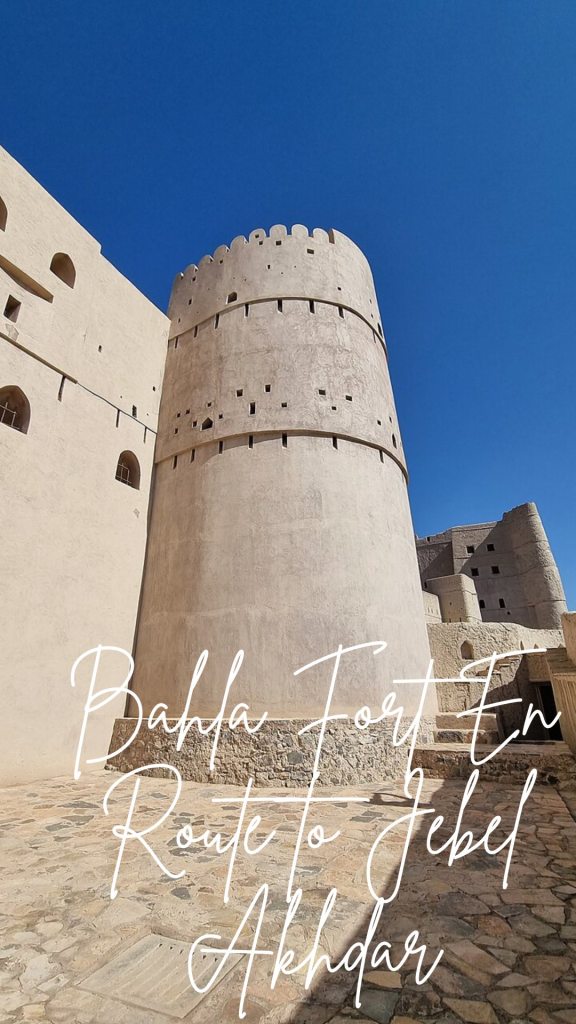
From the trading city of Nizwa we traveled towards Bahla where we visited the Bahla Fort. This was built in the third century BC and includes an oasis with traditional souks, old alleys and mosques. From here we drove into the mountains to Jebel Akhdar. We arrived in DusitD2 Nareem Resort where we’d stay for few more days to relax and explore Jebel Akhdar.
A UNESCO World Heritage Site since 1987, Bahla Fort, also known as Hisn Tamah Fort, is the most extraordinary and largest of all the castles. This impressive fort has 15 gates and 132 watchtowers. The town of Bahla and the fort are surrounded by a 10 km mud-brick city wall.
#TravelVlog @perpietravelslately #PerpieInOman #TravelwithPerpieLately
CLICK ON THE IMAGE TO WATCH ON INSTAGRAM
Jebel Akdhar
Jebel Akhdar (“Green Mountain”) is a spectacular limestone massif in Oman’s Al Hajar mountain range, rising to 3,000 meters above sea level. This highland plateau enjoys a uniquely temperate microclimate within Oman’s otherwise arid landscape, with temperatures typically 10-15°C cooler than surrounding lowlands.
The region is renowned for its agricultural terraces carved into steep mountainsides. Locals cultivate pomegranates, walnuts, apricots, and roses here. They also grow other crops impossible to cultivate elsewhere in Oman. During spring, the mountain becomes a fragrant paradise. Thousands of damask roses bloom. These are used to produce the prized Omani rose water.
Jebel Akhdar offers breathtaking hiking trails through ancient villages, abandoned settlements, and dramatic wadis with expansive canyon views. The area played a significant role during the Jebel Akhdar War (1954-1959) when British forces helped the Sultan suppress a rebellion.
Today, the mountain region attracts adventure seekers and nature enthusiasts while maintaining its traditional agricultural practices and distinctive mountain culture.
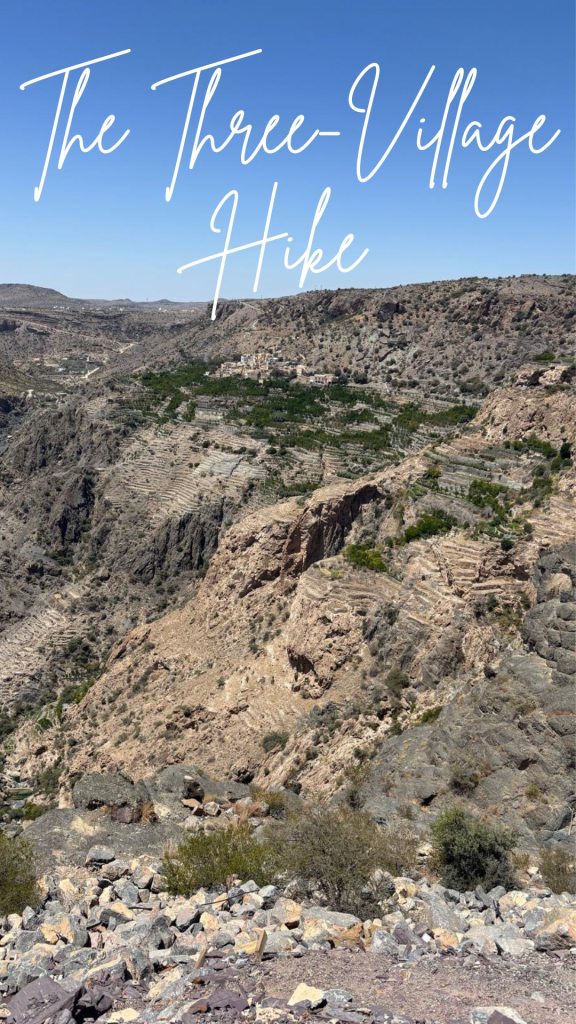
Wandering through time on the ancient Three Village Walk, where mountain paths whisper centuries of stories. The emerald terraces of Jabal Akhdar unfold beneath dramatic cliffs, revealing a hidden Oman most travelers never see.
Lost in a fragrant dream where Damask roses bloom across ancient terraces. Their delicate pink faces turn toward the mountain sun, preparing for the harvest that’s celebrated here for generations. The sweet perfume of Jabal Akhdar’s famous roses mingles with mountain air – moments like these can’t be bottled, only experienced.
The “easy” hike wasn’t something we expected with our girls in tow. Nevertheless we managed to get into more than half of that mountainous trail, and that’s a feat.
#JabalAkhdar #OmanAdventures #MountainTrekking #ThreeVillageWalk #DamaskRoses #RoseWater #HiddenGems #TravelDeeper #TravelVlog @perpietravelslately #PerpieInOman #TravelwithPerpieLately
CLICK ON THE IMAGE TO WATCH ON INSTAGRAM
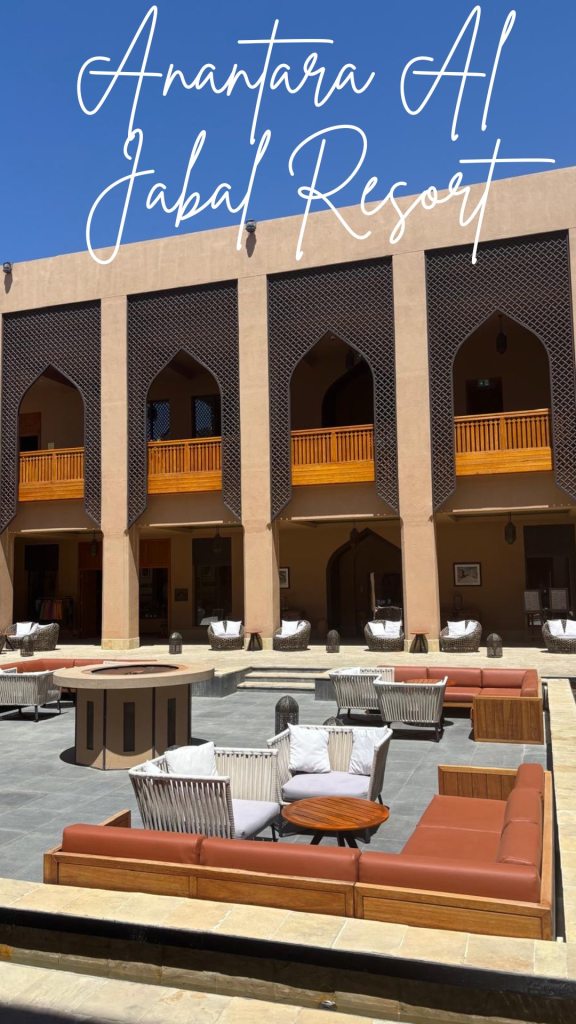
Where infinity meets eternity at Anantara Al Jabal Akhdar Resort. Perched 2,000 meters above sea level on Oman’s Green Mountain, every moment here feels suspended between earth and sky. The ancient canyon views from the private pool will leave you speechless too.
A canyon-edge platform where Princess Diana took in panoramic views in 1986 was dubbed as Diana’s Point. Italian dinner that night at the hotel’s Bella Vista, just situated along in this platform.
#AnantaraJabalAkhdar #OmanLuxury #MountainEscape #InfinityViews #travelgoals #TravelVlog @perpietravelslately #PerpieInOman #TravelwithPerpieLately
CLICK ON THE IMAGE TO WATCH ON INSTAGRAM
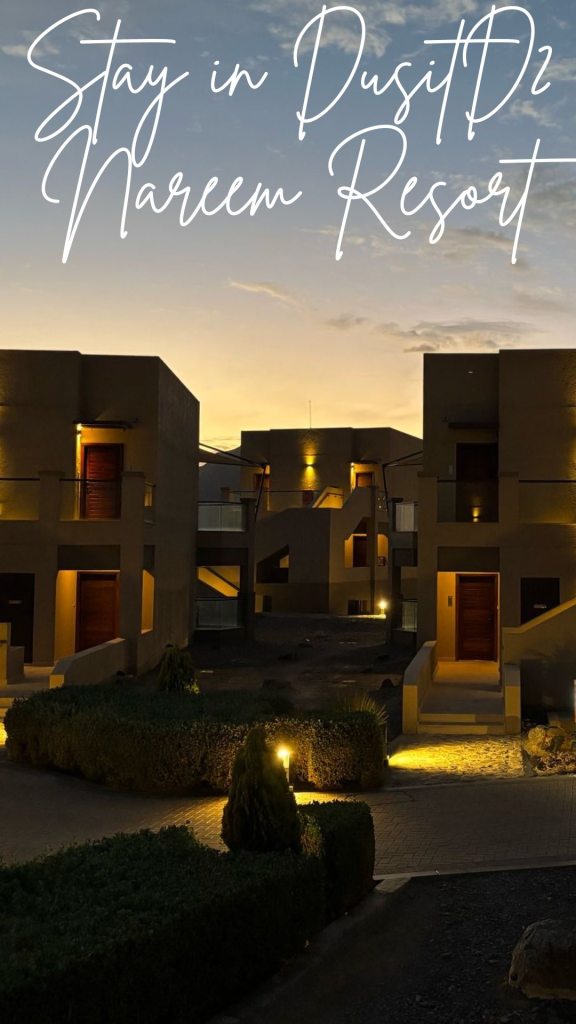
Paradise found at DusitD2 Nareem Resort in Jebel Akhdar, Oman ✨ Unwinding in this tranquil oasis where traditional Omani architecture blends seamlessly with Thai hospitality. Every sunrise here feels like magic, every sunset a painting. #DusitD2Nareem #OmanLuxury #DesertParadise #ArabianGetaway
@dusitd2.jabalakhdar
P.S. I enjoyed the gym, the spa and the sauna. The girls had fun at Nareem Adventure Park situated in this resort hotel. The buffets are real good! The pool is a pretty. Our rooms are topnotch. We felt so at home, I ❤️ our stay here! #TravelVlog @perpietravelslately #PerpieInOman #TravelwithPerpieLately
CLICK ON THE IMAGE TO WATCH ON INSTAGRAM
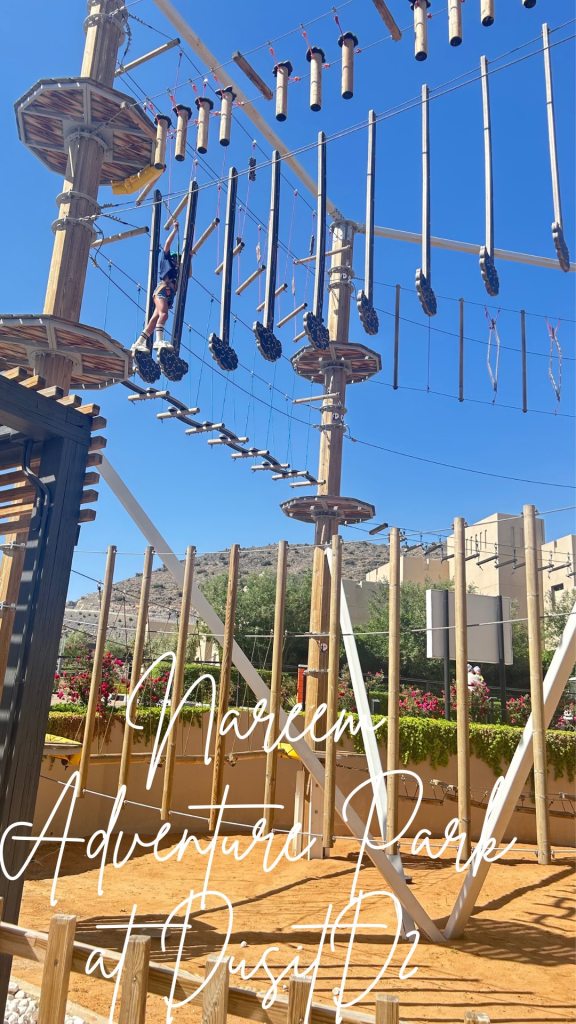
Just like soaring through the mountains at Nareem Adventure Park! 🏞️ Found this hidden gem in Oman where adventure meets breathtaking views. Testing my girls’ limits on the ziplines while the rugged landscape stretches out beneath.
Sometimes the best memories are made when you’re suspended between earth and sky! #NareemAdventurePark #OmanAdventures #ZiplineViews #MountainEscape #TravelOman #TravelVlog @perpietravelslately #PerpieInOman #TravelwithPerpieLately
CLICK ON THE IMAGE TO WATCH ON INSTAGRAM
Al Hajar Mountain Pass
The Al Hajar Mountain Pass traverses Oman’s most dramatic mountain range, which forms a rugged backbone across northern Oman extending into the UAE. This spectacular route navigates through the limestone massifs of the Eastern Hajar and Western Hajar sections, reaching elevations over 2,000 meters.
The pass offers breathtaking vistas of stark, craggy peaks, deep wadis, and terraced villages clinging to mountainsides. Engineering marvels of modern Omani infrastructure, these roads feature hairpin turns, steep gradients, and expertly constructed tunnels that have transformed once-isolated regions into accessible destinations.
The journey transitions through diverse ecological zones, from barren rock faces to surprising pockets of vegetation where traditional agriculture thrives. Along the route lie historic settlements where mountain tribes developed unique cultural traditions and architectural styles adapted to the challenging terrain.
For travelers, the Al Hajar Mountain Pass represents one of the Middle East’s most scenic drives. It connects Oman’s interior with coastal regions. It also provides access to highlights like Jebel Akhdar, Jebel Shams, and remote mountain villages.
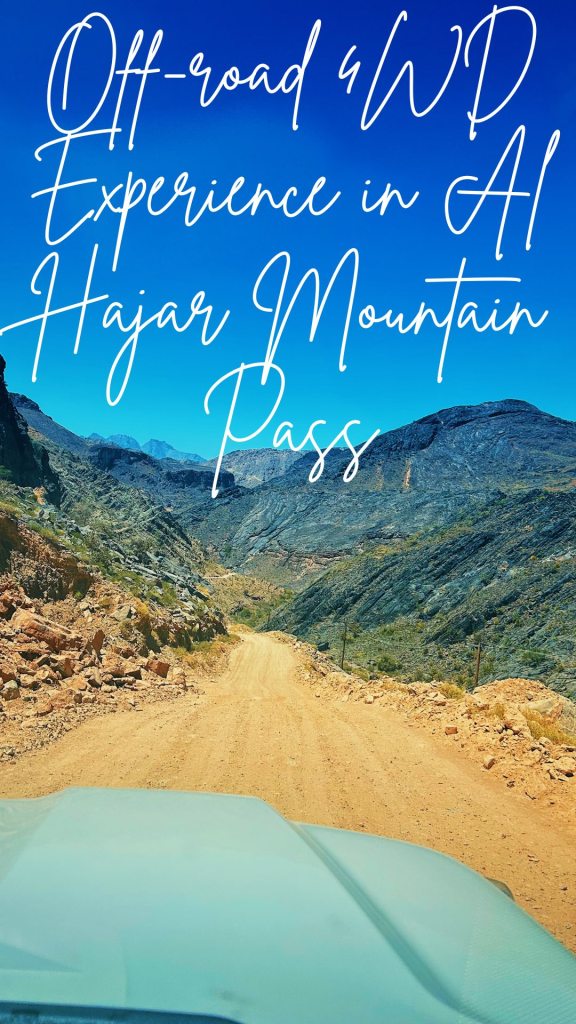
Carving our own path through Oman’s majestic mountains. Where the road ends, the real adventure begins. The rugged terrain challenges every turn, but the untouched views make it all worthwhile. Nothing compares to the sound of tires on ancient rock and the silence that follows when you reach the summit.
Al Hajar Mountain Pass, you’re unforgettable. “Oh man, Oh man, OMAN…” 😂
P.S. Amber and I were holding ourselves up while Papa’s conscientiously driving along this treacherous pass. Imma slept away and missed out the panic and the drama…
#OmanOffroading #MountainExpedition #WadiAdventures #DesertMountains #4x4Life #OmanExplored #TravelVlog @perpietravelslately #PerpieInOman #TravelwithPerpieLately
CLICK ON THE IMAGE TO WATCH ON INSTAGRAM
Dolphins watching and snorkeling with sea turtles
Oman’s pristine coastline offers exceptional marine wildlife encounters, particularly for dolphin watching and sea turtle snorkeling. The waters around Muscat and the Daymaniyat Islands are renowned for abundant spinner, bottlenose, and common dolphins that playfully bow-ride alongside boats year-round during morning excursions.
Ras Al Jinz Turtle Reserve offers sea turtle experiences. It provides protected viewing of endangered green turtles. These turtles nest between May and October. At the Daymaniyat Islands Nature Reserve, you can enjoy remarkable snorkeling opportunities. Swim with hawksbill and green turtles in crystal-clear waters. Explore vibrant coral reefs.
Tour operators typically provide morning dolphin-watching cruises lasting 2-3 hours. Combined dolphin and turtle snorkeling adventures often run as full-day excursions. The best viewing periods align with calmer seas between October and May.
These experiences highlight Oman’s commitment to marine conservation while giving visitors intimate encounters with these charismatic species. Respectful wildlife viewing practices ensure minimal disturbance to these magnificent creatures in their natural habitat.
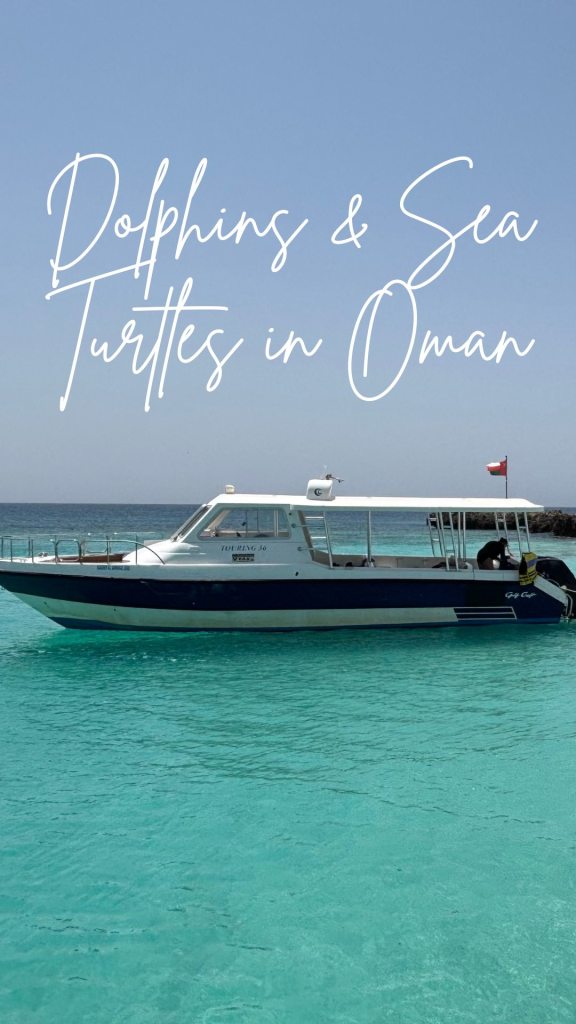
Witnessed nature’s most graceful performers today – dolphins dancing on waves and sea turtles gliding through crystal waters off Muscat’s coast. Some moments can’t be filtered, only felt. 🐬🐢 #WildlifeEncounter #MuscatMagic
P.S. I’ve never seen such a huge group, and that playful! 🐬🐬🐬 As with the 🐢 , we found around 5. And not sure if my go pro shots captured any of them. I was freaking out when a few were coming towards me! 😅 And I’m a go pro #rookie your highness #wip hint: yt vlog coming later…
#TravelVlog @perpietravelslately #PerpieInOman #TravelwithPerpieLately
CLICK ON THE IMAGE TO WATCH ON INSTAGRAM
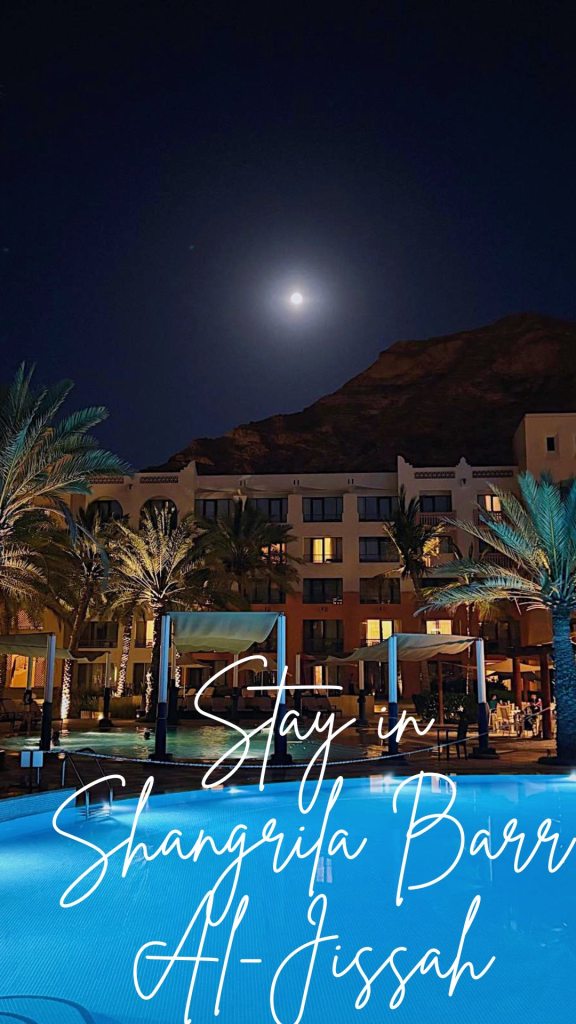
Paradise found at Shangri-La Barr Al Jissah, where the mountains meet the sea and luxury knows no bounds. ✨🌊 #OmanMagic #LuxuryEscape
Wish granted, Amber. You’ve got some magic, too! 🪄 ✨
#TravelVlog @perpietravelslately #PerpieInOman #TravelwithPerpieLately
CLICK ON THE IMAGE TO WATCH ON INSTAGRAM
Practical Info & FAQs
How to get there
Getting to Oman is most convenient by air, as Muscat International Airport (MCT) serves as the main gateway for international travelers. Direct flights connect Muscat to major cities in Europe, Asia, and the Middle East, while regional airlines offer short-haul routes from nearby Gulf countries. Alternatively, overland travel by car or bus is possible from neighboring countries such as the United Arab Emirates, with border crossings that are generally straightforward for tourists.
Once in Oman, the best way to go around is by renting a car, as the country is known for its excellent roads and memorable scenic drives—perfect for a road trip adventure. Car rentals are widely available at the airport and in major cities. For those preferring public transport, intercity buses connect Muscat to other towns like Nizwa and Salalah, though schedules may be limited. Taxis are common in urban areas, and ride-hailing apps like OTaxi make getting around Muscat convenient. Guided tours are another option for exploring key sites or venturing into the desert and mountains.
We flew from Brussels, had a stopover in Muscat and took another flight to reach Muscat. In Muscat, we took taxis that were usually taken care of by our hotel. By the time we went for our road trip around Oman, our tour agent arranged for a 4×4 Toyota Landcruiser that my husband drove at for several days exploring the ancient towns and sites and driving through wadis, vast dessert sands, and real-rough mountain roads. It surely was a memorable driving experience indeed. Back to Muscat, we got transport services provided by our hotel.
Where to stay & eat
During our stay in Muscat on our first 2 days, we stayed at Intercity Hotel. We went to Souq Mutrah and had dinner over there. After our visit to the wadis, we stayed at Best Western Sur. Then we headed off to Wahiba Sands and stayed at Sama Al Wasil Desert Camp overnight. The next day, we arrived at Nizwa and stayed at Antique Inn. We headed off to Abu Jakhbar and stayed at dusitD2 Naseem Resort for a couple of days. In our last week in Oman, we stayed at Shangri-La Barr Al Jissah Resort & Spa.
Omani food is basically a delicious map of the country’s history—you’ll taste hints of India, Persia, and East Africa in almost every bite. We’re feeling adventurous so we absolutely tracked down some camel meat. While it’s often saved for big celebrations, many local spots serve it in a Camel Majboos (a spiced rice dish) or as Mishkak (street-food skewers grilled over hot coals). It’s surprisingly lean and has a deep, slightly sweet flavor that’s way more tender than we expected.Beyond the camel, we got to get our hands on some Shuwa, which is meat that’s been slow-cooking in an underground pit for a couple of days until it’s basically butter. To wash it all down, skip the soda and go for a Kahwa (cardamom coffee) and a side of sticky Halwa. It’s the ultimate “welcome to Oman” snack.
Travel tips
Rent a car, preferably a 4×4, for maximum flexibility and to explore Oman’s scenic drives, deserts, and mountain roads comfortably. We just did.
Book accommodations and transport services in advance, especially during peak travel seasons, to ensure availability and convenience.
Carry cash as well as cards, since some smaller towns and rural areas may have limited card payment options.
Use ride-hailing apps like OTaxi for reliable and easy transportation within Muscat and other major cities.
Check intercity bus schedules ahead of time, as routes and departure times can be limited outside major urban centers.
Always carry water and snacks when driving long distances, particularly through deserts and mountain regions.
Respect local customs and dress modestly, especially when visiting religious sites and rural areas.
Download offline maps or a navigation app, as mobile data coverage may be spotty in remote regions.
Be prepared for varying road conditions; some wadis and mountain passes may require careful driving or local guidance.
Enjoy local cuisine by dining at traditional restaurants and exploring food markets, but confirm opening hours in advance as some places close early.

 What's Up With Perpie Lately
You must be logged in to post a comment.