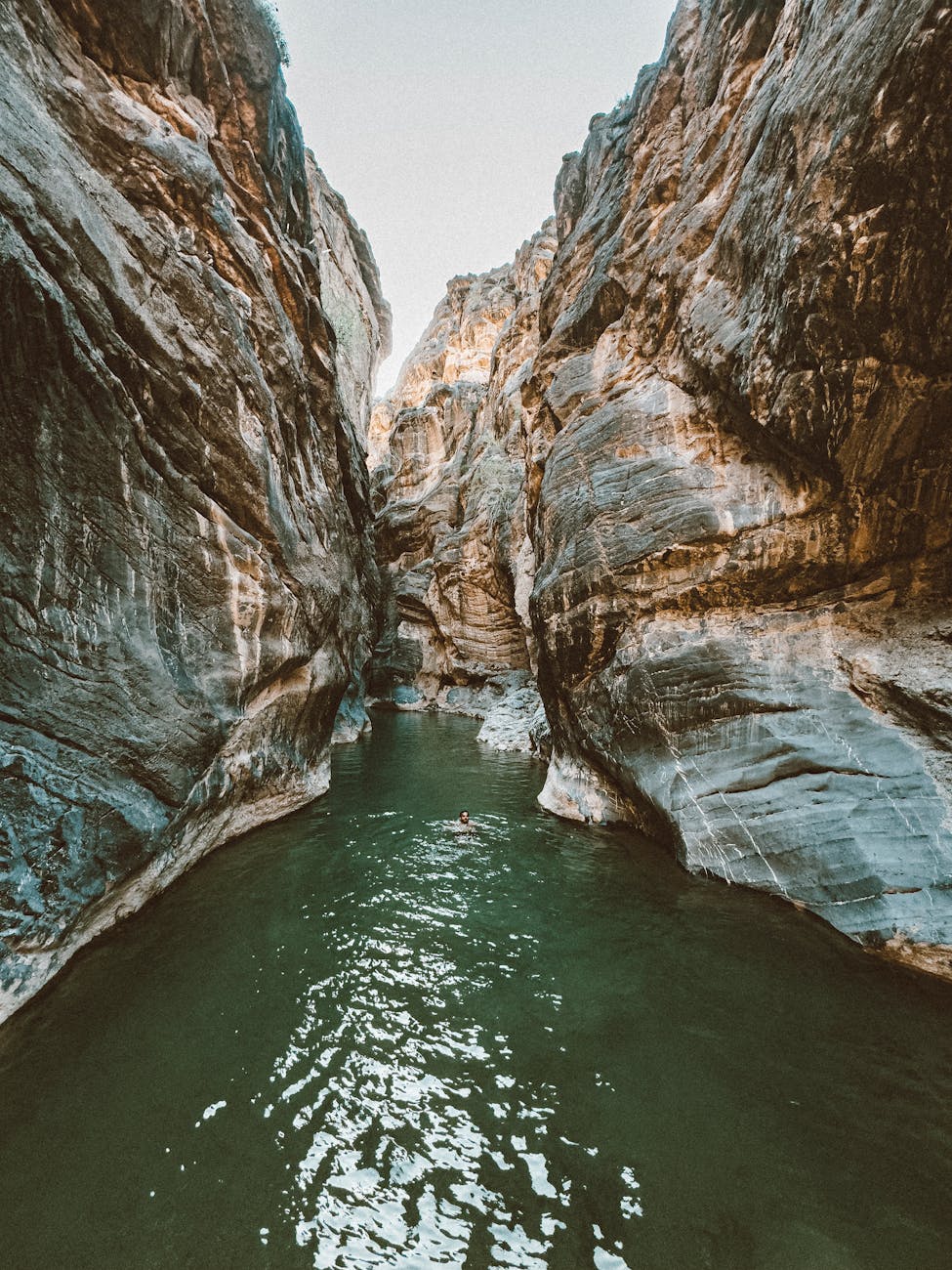
Oman is a captivating travel destination where golden deserts, rugged mountains, and turquoise coastlines come together to offer unforgettable adventures and rich cultural experiences. Here are a few reasons why you must go and visit Oman.
Oman is a rewarding destination for travelers seeking a mix of natural beauty, cultural depth, and warm hospitality. From the dramatic dunes of the Wahiba Sands to the lush greenery of Salalah and the historic forts of Nizwa, Oman offers a wide range of experiences in a peaceful and welcoming setting. Its authenticity, scenic landscapes, and rich traditions make it a truly memorable place to explore.
We chose to go on a road trip to Oman for our Easter holiday in 2025 and I would consider this trip as one for the books! We weren’t the only family who braved on to this road trip btw; another family-friend of ours with 3 teens in tow were also with us. All the kiddos really did get along very well and that really made this holiday more special.
Beyond the sheer beauty of Oman’s landscapes, what truly made our journey extraordinary were the countless moments of wonder we experienced together as a family. Catching the sunset over the endless Wahiba sands, exploring the natural wadis, wandering through the ancient forts and towns, and discovering vibrant souqs, each place sparked curiosity and filled us with awe. Our road trip across the country was seamless and safe.
We’re welcome with the genuine warmth and hospitality of the Omani people and we learned more about their traditions and way of life. It’s indeed a tapestry of treasured memories we will recall for years to come, and an experience that set a new standard for our travels together. Meaning, we want more desert adventures!!!
Sultan Qaboos Grand Mosque
The Sultan Qaboos Grand Mosque in Muscat, Oman, is the largest mosque in the country and a stunning example of contemporary Islamic architecture, completed in 2001 after six years of construction. Commissioned by Sultan Qaboos as a gift to the Omani people, the mosque features five minarets symbolizing the Five Pillars of Islam, a central dome rising 50 meters, and a prayer hall that can accommodate over 6,500 worshippers, with a total capacity of 20,000. Inside, visitors are awed by the world’s second-largest hand-woven Persian carpet and a massive Swarovski crystal chandelier, making the mosque not only a place of worship but also a cultural and artistic landmark.
Nizwa
Nizwa Fort and Souq in Oman offer a captivating glimpse into the country’s rich history and vibrant culture. Built in the 17th century by Imam Sultan bin Saif Al Ya’rubi, Nizwa Fort features a massive cylindrical tower and intricate defensive architecture, showcasing Oman’s strategic military ingenuity and serving as a former seat of governance. Just steps away, the bustling Nizwa Souq is one of the oldest markets in Oman, filled with traditional silver jewelry, spices, pottery, and local delicacies, making it a sensory-rich experience that reflects the enduring spirit of Omani craftsmanship and commerce.
Bahla Fort
Bahla Fort, located at the foot of the Jebel Akhdar highlands in Oman, is a UNESCO World Heritage Site and one of the country’s oldest and most impressive fortresses, dating back to the 13th century during the rule of the Banu Nebhan tribe. Built from mud-brick and surrounded by a 13-kilometer wall, the fort showcases traditional Omani defensive architecture and has been the subject of extensive restoration efforts due to its historical and cultural significance. Steeped in legend and mystery—including tales of jinns and black magic—the fort remains a captivating destination for history enthusiasts and curious travelers alike.
Sur Dhow Shipyards
The Sur Dhow Shipyards in Oman are a living testament to centuries-old maritime craftsmanship, where traditional wooden dhows are still built by hand using techniques passed down through generations. Located in the historic port city of Sur, once a major trade hub connecting East Africa, India, and China, the shipyards reflect Oman’s rich seafaring legacy, with artisans crafting vessels from durable woods like Burma teak and ghaff without modern blueprints. Today, while the dhows are primarily built for tourism and ceremonial purposes, the shipyards remain a vibrant cultural site, offering visitors a rare glimpse into Oman’s enduring maritime traditions.
Lost City of Ubar
The Lost City of Ubar, located in Shisr, Oman, is an archaeological site steeped in legend and often referred to as the “Atlantis of the Sands”. Believed to have been a prosperous trading hub along ancient frankincense routes, Ubar was rediscovered in the early 1990s after satellite imagery revealed ruins that matched historical descriptions, including a collapsed fortress that sank into the desert due to a sinkhole. Though its exact identity remains debated among scholars, the site offers a compelling blend of myth and history, drawing visitors intrigued by its mysterious past and dramatic desert setting.
Wadi Bani Khalid
Wadi Bani Khalid in Oman is one of the country’s most picturesque and accessible wadis, known for its emerald pools, golden cliffs, and year-round flowing water. Located in the eastern Hajar Mountains, it offers visitors a mix of easy walks, swimming spots, and scenic hikes, including access to the Muqal Cave and tranquil upper pools beyond the main tourist area. With facilities like bridges, seating areas, and a restaurant, it’s a popular stop on Oman road trips, blending natural beauty with visitor-friendly infrastructure.
Wadi Shab
Wadi Shab in Oman is a breathtaking natural oasis nestled between dramatic canyon walls, offering a mix of hiking, swimming, and cave exploration that makes it one of the country’s most popular outdoor destinations. Visitors begin their adventure with a short boat ride across the wadi entrance, followed by a scenic hike through palm groves and rocky terrain leading to turquoise pools and a hidden waterfall inside a cave. The experience blends adventure and tranquility, making Wadi Shab a must-visit for nature lovers, photographers, and thrill-seekers alike.
Bimmah Sinkhole
Bimmah Sinkhole, also known as Hawiyat Najm, is a striking natural limestone crater filled with turquoise water, located about 130 kilometers southeast of Muscat, Oman. Formed by the collapse of the surface due to limestone erosion—though local legend attributes its creation to a falling star—the sinkhole sits just 600 meters from the sea and is surrounded by the landscaped Hawiyat Najm Park, which includes picnic areas and walking paths. Its vivid colors and easy accessibility make it a favorite stop for travelers exploring Oman’s coastal and mountain landscapes.
Jebel Shams
Jebel Shams, meaning “Mountain of the Sun,” is the highest peak in Oman, rising to approximately 3,009 meters and offering dramatic views over the nearby Wadi Ghul, often called the “Grand Canyon of Arabia”. Located in the Al Hajar Mountains near Al Hamra, it’s a popular destination for hikers and nature lovers, especially for the famous Balcony Walk, which skirts the canyon rim with breathtaking vistas. Known for its cooler climate and stunning sunrises, Jebel Shams provides a refreshing escape from Oman’s lowland heat and a chance to experience the country’s rugged mountain beauty.
Jebel Akhdar
Jebel Akhdar, meaning “Green Mountain,” is a high-altitude region in Oman’s Al Hajar Mountains, renowned for its cool climate, terraced farms, and dramatic landscapes. Located around 2,000 meters above sea level on the Saiq Plateau, it’s famous for its rose gardens, pomegranate orchards, and traditional villages, making it a refreshing escape from the desert heat. Accessible only by 4WD, Jebel Akhdar offers scenic hiking trails like Wadi Bani Habib and viewpoints such as Diana’s Point, blending natural beauty with cultural heritage.
Al Daymaniyat Islands
The Al Daymaniyat Islands, located off the northern coast of Oman near Muscat, are a protected marine nature reserve comprising nine uninhabited islets known for their crystal-clear waters, white sandy beaches, and vibrant coral reefs. Often referred to as the “mini Maldives of Oman,” the islands are a haven for marine life, including endangered green and hawksbill turtles, migratory birds, and even whale sharks during their seasonal migration. Accessible only by boat and regulated to preserve their ecological integrity, the Daymaniyat Islands offer exceptional snorkeling and diving experiences, making them a top destination for nature lovers and adventure seekers.
Ras Al Jinz Turtle Reserve
Ras Al Jinz Turtle Reserve, located on the eastern shores of Oman, is a globally significant nesting site for endangered green sea turtles and the only place in the country where visitors can legally witness turtles laying eggs on land. Established in 1996, the reserve spans 120 square kilometers and offers guided night and early morning tours to observe this ancient ritual, with strict conservation measures in place to protect the turtles and their habitat. Alongside its ecological importance, Ras Al Jinz features eco-friendly accommodations and a visitor center, blending sustainable tourism with marine conservation and education.
Musandam Fjords
The Musandam Fjords in Oman, often called the “Norway of Arabia,” are a breathtaking natural wonder featuring dramatic limestone cliffs, serene turquoise waters, and secluded coves carved by the sea over millennia. Located at the northern tip of Oman near the Strait of Hormuz, the fjords are best explored by traditional dhow cruises, offering opportunities for dolphin watching, snorkeling, and kayaking amidst rich marine life and untouched landscapes. The region’s remote charm, cultural heritage, and stunning scenery make it a top destination for adventure seekers and nature lovers alike.
Sharqiya Sands (Wahiba Sands)
Sharqiya Sands, formerly known as Wahiba Sands, is a vast desert region in eastern Oman spanning over 12,500 square kilometers, renowned for its towering red and golden dunes that reach heights of up to 100 meters. This stunning landscape is home to nomadic Bedouin tribes who have preserved their traditional way of life, offering visitors a rich cultural experience alongside thrilling desert adventures like dune bashing, camel trekking, and camping under the stars. Easily accessible from Muscat, Sharqiya Sands is a favorite destination for those seeking solitude, natural beauty, and a taste of authentic desert life.
Wild Camping
Wild camping in Oman is a popular way to explore the country’s diverse landscapes—from golden deserts and rugged mountains to pristine beaches and remote wadis. Campers are free to pitch tents almost anywhere except in protected areas like the Ras Al Jinz Turtle Reserve, private property, or archaeological sites, and are encouraged to follow the Leave No Trace principle to preserve the natural beauty. With Oman’s reputation for safety, minimal wildlife threats, and breathtaking scenery, wild camping offers a unique and adventurous way to connect with nature and experience authentic Omani culture.
Ibra
Ibra, located in Oman’s Ash Sharqiyah region, is one of the country’s oldest cities, historically known as a center for trade, education, and Islamic scholarship. The town is famous for its traditional architecture, vibrant souqs, and the atmospheric ruins of Al Munisifeh, which offer a glimpse into Omani life centuries ago. Today, Ibra blends heritage with modernity, serving as a gateway to nearby attractions like Sharqiya Sands and Wadi Bani Khalid, while hosting cultural festivals and markets that celebrate its rich legacy.

 What's Up With Perpie Lately