Experience an enriching summer journey across Spain, immersing in its vibrant culture, diverse regions, and remarkable scenery. From indulging in pintxos in San Sebastian to surfing the renowned Basque beaches, the trip showcases Spain’s rich traditions, gracious hospitality, and the array of unforgettable experiences it offers.
We went for a road trip to Spain for our summer holiday back in 2025. We stayed in the Basque Country for a week, visiting Donostia-San Sebastian, Bilbao and Guernica. The girls spent a lot of time on the beach, swimming and surfing in the Basque beach facing the Atlantic. Then, as we moved towards the south, we visited Caceres and stayed in Zafra overnight.
In Andalucia for a week, we went to see Arcos de la Frontera, Ronda, Grazalema and Setenil de las Bodegas. Then, we drove further to Granada to finally visit The Alhambra Castle. In our final trek of our road trip, we stayed in Alicante for a week. We particularly enjoyed Orihuela Costa for its beaches facing the Mediterranean. We also visited Cartagena for a day before we headed off north to Aragon region where we visited and stayed in Zaragoza overnight.
We stayed in cortijos (farmhouses) and apartments with closed proximity to swimming pools and beaches. We enjoyed authentic Spanish food at its finest, and the super dry, warm weather to boot! We were amazed with the natural beauty and the architectural landscape the country has to offer. Spain is indeed worth visiting again.
About Spain
Spain is a country renowned for its vibrant culture, rich history, and breathtaking landscapes. From the sun-drenched beaches of the Mediterranean to the snow-capped peaks of the Pyrenees, Spain offers an incredible variety of experiences. Its cities blend ancient architecture with modern flair, creating a dynamic atmosphere that is both welcoming and exciting.
One of the most captivating aspects of Spain is its regional diversity. Each area, from Andalucía in the south to Galicia in the northwest, has its own traditions, dialects, and culinary specialties. This patchwork of cultures is reflected in everything from local festivals to the varied tastes of Spanish cuisine, making every region feel uniquely distinct.
Spain’s people are known for their warmth and hospitality. Whether exploring bustling markets, relaxing in lively plazas, or wandering through historic neighborhoods, Spain leaves an unforgettable impression.
A Week in the Basque Country
The Basque Country, nestled in northern Spain, boasts stunning coastlines, green hills, and a unique cultural identity. Known for its ancient language, Euskara, and world-class cuisine, the region offers vibrant festivals, charming towns like San Sebastian and Bilbao, and a proud heritage that blends tradition with modern creativity and innovation.
We stopped by at Donostia-San Sebastian for a pintxos lunch. Pintxos are a culinary highlight in San Sebastian, Spain, where bars serve these small, flavorful bites atop slices of bread. Each pintxo is a creative combination of local ingredients, reflecting the city’s rich food culture. Hopping from bar to bar sampling pintxos is a beloved tradition among both locals and visitors.
The Basque Country in Spain is famed for its outstanding surfing sites, including Playa de Zurriola in San Sebastian and Mundaka, renowned for its world-class left-hand wave. These beaches attract surfers of all levels, offering consistent swells, scenic backdrops, and a vibrant surf culture that thrives year-round.
The Vizcaya Bridge, also known as Puente Colgante, is a UNESCO World Heritage site near Bilbao. Built in 1893, it’s the world’s oldest transporter bridge, connecting the towns of Portugalete and Getxo. Its unique design and panoramic views make it an engineering marvel and a must-see landmark in northern Spain.
Bilbao, the dynamic heart of the Basque Country, is renowned for its blend of tradition and modernity. The city features the iconic Guggenheim Museum, vibrant street art, and lively markets. Its riverside walks, historic old town, and innovative gastronomy make Bilbao an essential stop for culture and architecture enthusiasts.
Arantzazu is a spiritual and architectural gem nestled in the Basque mountains near Oñati. Famous for its striking modernist sanctuary and dramatic clifftop setting, it draws pilgrims and visitors seeking tranquility, breathtaking natural scenery, and a unique fusion of religious devotion and contemporary Basque artistic expression.
One of the highlights of our journey in the Basque Country was also visiting San Juan de Gaztelugatxe, a dramatic islet topped with a picturesque hermitage and connected to the mainland by a winding stone bridge and staircase. The breathtaking views of the rugged coastline and the invigorating climb made it a truly unforgettable stop on our road trip. Unfortunately, we couldn’t get into this island as we didn’t make reservations, lesson learned!
After our visit to San Juan de Gaztelugatxe (from afar), off we headed to Guernica. Guernica is a town rich in history, most notably remembered for the tragic bombing during the Spanish Civil War, which inspired Picasso’s famous painting. Today, it stands as a symbol of peace and resilience, offering visitors a chance to reflect at its museums and monuments.
Stopover in Caceres
Caceres, a UNESCO World Heritage city in western Spain, enchants visitors with its beautifully preserved medieval architecture, winding cobblestone streets, and ancient city walls. Its blend of Roman, Moorish, and Renaissance influences creates a picturesque setting, making it an ideal destination for history lovers and those seeking authentic Spanish charm.
Overnight in Zafra
Zafra, known as the “Little Seville,” charms visitors with its whitewashed streets, historic plazas, and impressive medieval castle. The town features lively markets, beautiful arcaded squares, and a rich blend of Moorish and Renaissance architecture. Zafra’s welcoming atmosphere and cultural heritage make it a delightful stop in Extremadura.
A Week in Andalucia
Andalucia, the vibrant heart of southern Spain, dazzles with its rich cultural heritage, sun-soaked landscapes, and lively traditions. From the dramatic peaks of the Sierra Nevada to the flamenco rhythms of Seville, Andalucia offers a captivating tapestry of Moorish palaces, whitewashed villages, and mouthwatering cuisine, enchanting every traveler.
Arcos de la Frontera is a stunning hilltop town in Andalucia, known for its dramatic cliffs, whitewashed houses, and winding streets. The town offers breathtaking views over the Guadalete River valley and boasts historic churches, lively squares, and a vibrant local atmosphere, making it a favorite among travelers seeking authentic charm.
Ronda, perched dramatically atop a deep gorge, is renowned for its breathtaking views and historic charm. The town boasts a striking blend of Moorish and Spanish architecture, vibrant plazas, and the iconic Puente Nuevo bridge. Ronda’s lively cafes and rich cultural heritage make it a must-see destination in Andalucia.
Puente Viejo, or “Old Bridge,” is one of Ronda’s historic stone bridges gracefully spanning the Guadalevín River gorge. Built in the 17th century, it connects the old and new parts of the town, offering picturesque views and reflecting Ronda’s architectural legacy and enduring charm. A must-see for visitors.
The Plaza de Toros in Ronda is one of Spain’s oldest and most revered bullrings, showcasing stunning Neoclassical architecture. This historic arena offers visitors a glimpse into the tradition of Spanish bullfighting, with its elegant arches, sandy ring, and fascinating museum, all steeped in local culture and heritage.
Bullfighting is deeply rooted in Ronda’s identity, with the town home to one of Spain’s oldest bullrings, the Plaza de Toros. Ronda’s annual Feria de Pedro Romero celebrates this tradition, blending history, pageantry, and artistry, making bullfighting an enduring symbol of local pride and cultural heritage.
Grazalema is a picturesque village nestled in the Sierra de Grazalema Natural Park. Known for its lush green surroundings, charming whitewashed houses, and dramatic mountain backdrop, it’s a haven for hikers and nature lovers. The village offers traditional Andalusian hospitality and stunning vistas at every turn.
Setenil de las Bodegas is famous for its houses built into and beneath massive rock overhangs. This unique village features winding streets, whitewashed facades, and dramatic stone formations, creating a captivating atmosphere. Its charming cafes and local shops offer a truly distinctive experience in the heart of Andalucia.
Three Days in Granada
Granada is a captivating city nestled at the foot of Spain’s Sierra Nevada mountains, celebrated for its rich history, stunning architecture, and vibrant cultural scene. The city’s blend of Moorish, Christian, and Jewish influences is evident in its atmospheric neighborhoods, such as the Albaicín, with its labyrinthine streets and whitewashed houses. Granada’s lively tapas bars, bustling markets, and flamenco rhythms add to its allure. The city is also a gateway to the breathtaking Alhambra palace and gardens, drawing visitors from around the world. Granada’s unique blend of old-world charm and youthful energy makes it an unforgettable destination in Andalucia.
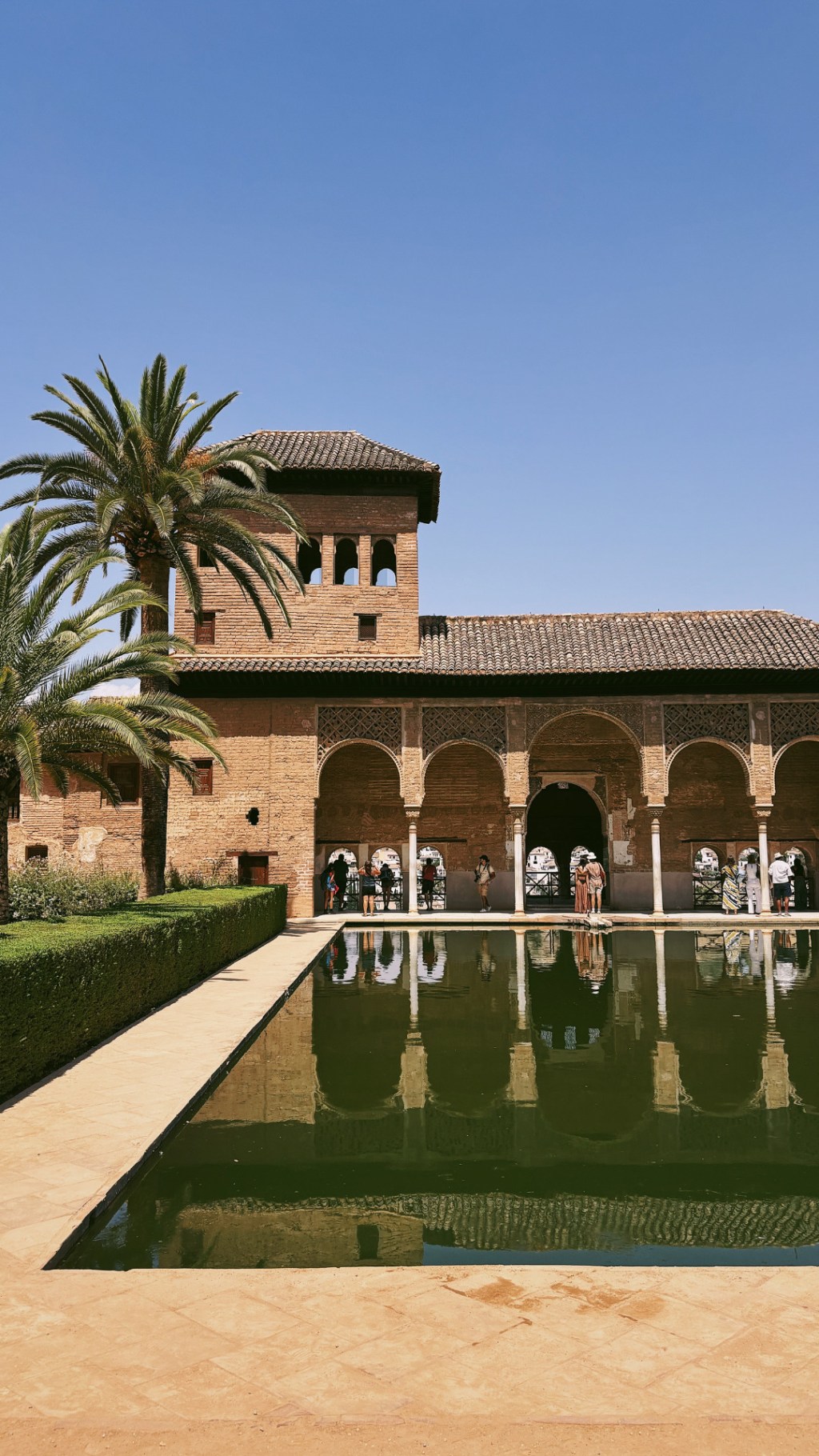
The Alhambra is a breathtaking fortress and palace complex perched above the city of Granada, standing as one of Spain’s most iconic landmarks. Originally constructed as a small fortress in 889 AD and later rebuilt in the mid-13th century by the Nasrid dynasty, the Alhambra blossomed into a sprawling royal residence that exemplifies the pinnacle of Moorish art and architecture. Its name, meaning “the red one” in Arabic, refers to the reddish hue of its ancient walls. The complex is a mesmerizing blend of ornate palaces, lush courtyards, intricate tilework, and tranquil reflecting pools.
Highlights include the Nasrid Palaces, famed for their delicate stucco work and stunning ceilings; the Generalife gardens, a serene retreat filled with fountains, cypress trees, and fragrant flowers; and the imposing Alcazaba, the oldest part of the Alhambra, offering panoramic views of Granada and the Sierra Nevada mountains. The Alhambra’s exquisite details, from the geometric patterns to the poetic Arabic inscriptions, reflect centuries of artistic achievement. Today, it stands as a UNESCO World Heritage site, captivating millions of visitors each year with its sense of history, beauty, and the enduring legacy of Andalusia’s multicultural past.
Parque de las Ciencias, located in Granada, is one of Spain’s most dynamic and interactive science museums. Spanning over 700,000 square feet, it features engaging exhibits on physics, biology, astronomy, and technology, appealing to visitors of all ages. Highlights include a planetarium, butterfly house, observation tower, and various temporary exhibitions that bring science to life. The museum’s hands-on approach encourages exploration and learning through experimentation and discovery.
Outdoor spaces showcase botanical gardens and science-themed sculptures, while workshops and live demonstrations make each visit unique. Parque de las Ciencias is a must-see destination for curious minds visiting Granada.
A Week in Alicante
The Alicante region, located along Spain’s Costa Blanca, is renowned for its sun-drenched beaches, charming seaside towns, and vibrant Mediterranean atmosphere. Visitors are drawn to its golden stretches of sand, crystal-clear waters, and lively promenades in destinations like Orihuela Costa, Cabo Roig, and Playa Pilar. The area also boasts a rich cultural heritage, evident in its historic old quarters, colorful markets, and lively festivals.
Outdoor enthusiasts can explore scenic coastal trails or enjoy water sports, while food lovers indulge in fresh seafood and traditional rice dishes. Alicante’s combination of relaxation, adventure, and authentic Spanish charm makes it an ideal getaway.
Cartagena is a vibrant port city on Spain’s southeastern coast, celebrated for its rich history, cultural diversity, and striking Mediterranean scenery. Founded by the Carthaginians in 227 BC, Cartagena has long been a strategic naval hub, evidenced by its well-preserved Roman Theater, ancient city walls, and historic harbor. The city’s lively center features palm-lined promenades, bustling squares, and colorful markets selling fresh produce and local crafts.
We strolled through the charming old town, admire Art Nouveau architecture, and sample regional cuisine in cozy cafes and seaside restaurants. Cartagena’s picturesque waterfront is perfect for enjoying sea breezes, and nearby beaches offer opportunities for swimming, sailing, and relaxation. Museums dedicated to archaeology and maritime heritage provide fascinating insights into the city’s storied past. With its blend of ancient wonders, modern amenities, and authentic Spanish atmosphere, Cartagena is a must-see destination on the Costa Blanca.
Overnight in Zaragoza
Zaragoza, the capital of Spain’s Aragon region, is a lively city that blends centuries of history with modern charm. Standing proudly on the banks of the Ebro River, Zaragoza is famed for its grand Basilica del Pilar, an impressive baroque church that dominates the skyline and is a center for pilgrimage. Walking through the city’s historic heart, visitors encounter remnants of Roman ruins, Moorish palaces, and medieval architecture, all intertwined with bustling plazas and vibrant street life. The Aljafería Palace, a UNESCO World Heritage site, showcases exquisite Islamic artistry and serves as a reminder of Zaragoza’s multicultural legacy.
The city’s museums offer insight into its rich artistic and cultural traditions, while lively tapas bars and local markets provide an authentic taste of Aragonese cuisine. Zaragoza’s blend of tradition and innovation, scenic riverside views, and welcoming atmosphere make it an essential stop for anyone exploring northern Spain.
That’s where our Spanish road trip ended. The next day, we drove ourselves away from Spain to reach our next destination: Andorra.
Practical Info & FAQs
How to get there
We went for a road trip to Spain during our summer holiday in 2025, driving all the way from Belgium and visiting the regions such as the Basque Country, Extremadura, Andalucia, Alicante, and Aragon.
If you’re taking by plane, Spain is well-connected internationally and domestically via several major airports. The main international gateways include Madrid-Barajas Adolfo Suárez Airport (MAD), Barcelona-El Prat Airport (BCN), and Málaga-Costa del Sol Airport (AGP). Most major airlines operate direct flights from cities across Europe, North America, and other continents, making it easy to find convenient connections.
Upon arrival, you can easily travel to your destination within Spain by using domestic flights, high-speed trains (AVE), or rental cars. Many airports offer direct public transportation links, such as metro, bus, and taxi services, to city centers and nearby attractions. Booking your flights and transportation in advance can help ensure a smooth journey to your chosen Spanish region.
Where to stay & eat
We visited Donostia-San Sebastian to have some quick pintxos lunch at Bertakoteka. During our weeklong stay in the Basque region, we stayed at the beautiful cortijo Soloandie Landetxea. We’re spoiled with neatly made beds and freshly made breakfast daily in this place.
Upon arriving, we went to a nearby village and had our first dinner at Ubide Taberna. While the girls were surfing all day, we’d go for quick bites at Txirin Sopela in Playa Sopelana. In Guernica, we went to Bolina Viejo, an unassuming restaurant situated in the Guernica’s center where all the locals go and we’re in the middle of where the real Spanish lunching is! A few of the restaurants/gastro-bar that we went to for dinner in Basque are not worth recommending, even though we’re staying in what’s considered as of this writing the densest region for Michelin-starred restaurants in Spain. Well, there goes our reason now to return to the Basque then.
In our visit to Caceres, we had lunch together with my long-distant relative in Spain at Tapiera La Tia Tula. Then for dinner in Zafra, we went to Meraki. Both restos were divine and the meals I got were all sumptuous. I got an acorn-fed pork fillet for lunch, and a conchonillo for dinner. That’s a surefire check on my bucket list of eats in Spain! We stayed in a cozy B&B Casa Ruy Lopez in Zafra, by the way.
In Andalucia, we stayed at a beautiful cortijo, Cortijo las Piletas Ronda. We enjoyed breakfast, our big room/s, and most especially the swimming pool after spending the day out in the sun. The communal room was also very cozy; the girls were fond of playing The Simpsons-themed chessboard there. We went to Restaurante La Cascada for our first dinner and went back for another on our last night. A British family seems to be owning this restaurant-hotel and obviously, we enjoyed their food over there that we went for there again (the pesky wasps, not!). We also went to Ronda for dinner at La Piconera, where we went for paella overload. I finished them all, so another check on my bucket list of Spanish eats.
In Granada, we stayed at another beautiful cortijo, La Almunia del Valle, situated at the top of Sierra Nevada. Just like in Soloandie Landetxea, it’s challenging to drive through its steep, narrow road to get there, so this time we chose to have dinners in La Almunia del Valle instead. The breakfasts and the dinners we had were all sumptuous. Our rooms were beautiful and the swimming pool overlooking the mountains was just the best spot to unwind and relax.
We stayed at the apartment of a friend situated in Orihuela Costa in Alicante. We suddenly felt like we’re in an expat bubble; the area is full of international restaurants ranging from Asian to European ones! We surely went catching up on Asian dishes by going to restos like Pato Pekin Restaurante and Restaurante Miso. Our favorite resto during our stay was the Number 7 Gastro Restaurant that we went there a few times for dinner. On our last day in Alicante, we went for lunch at Finca Rebate where we enjoyed watching a mariachi band performance.
In Zaragoza we stayed overnight at Eurostars hotel and our Asian cravings continued when we had dinner at Ramen Shifu.
Travel Tips
Plan your itinerary around regional diversity. Spain boasts a wide variety of landscapes, languages, and cultures—consider exploring regions beyond the big cities, such as the Basque Country, Andalucia, or Extremadura, for a richer experience.
Embrace local eating schedules. Spaniards typically eat lunch and dinner later than in many other countries. Expect lunch around 2–3 PM and dinner after 9 PM. Tapas and pintxos bars are great for light bites between meals. It took us quite some time to get used to this eating schedule TBH, so brace yourselves!
Use high-speed trains for convenience. The AVE train network connects major cities quickly and comfortably, making it easy to see different parts of the country without long drives.
Respect siesta time. Many shops and smaller businesses close in the afternoon (usually 2–5 PM) for siesta, especially in smaller towns. Plan sightseeing or relaxation during these hours.
Learn basic Spanish phrases. While English is spoken in tourist areas, knowing a few Spanish greetings or polite phrases will go a long way, particularly in rural regions.
Be mindful of pickpockets. In busy tourist destinations like Barcelona and Madrid, keep an eye on your belongings, especially in crowded areas and on public transportation.
Try regional specialties. Each Spanish region has its own culinary treasures—don’t miss out on specialties like Basque pintxos, Andalucian gazpacho, or Valencian paella.
Book popular attractions in advance. Landmarks such as the Alhambra in Granada or the Sagrada Família in Barcelona can sell out weeks ahead. Reserve tickets online to avoid disappointment. We were up for disappointment when we didn’t make reservations for a visit to San Juan de Gaztelugatxe.
Take advantage of public transportation. Cities have efficient metro, bus, and tram systems—often more convenient than driving, especially with narrow streets and limited parking.
Respect local customs and schedules. From dress codes in churches to late-night socializing, adopting local habits will help you blend in and enjoy authentic experiences.

 What's Up With Perpie Lately