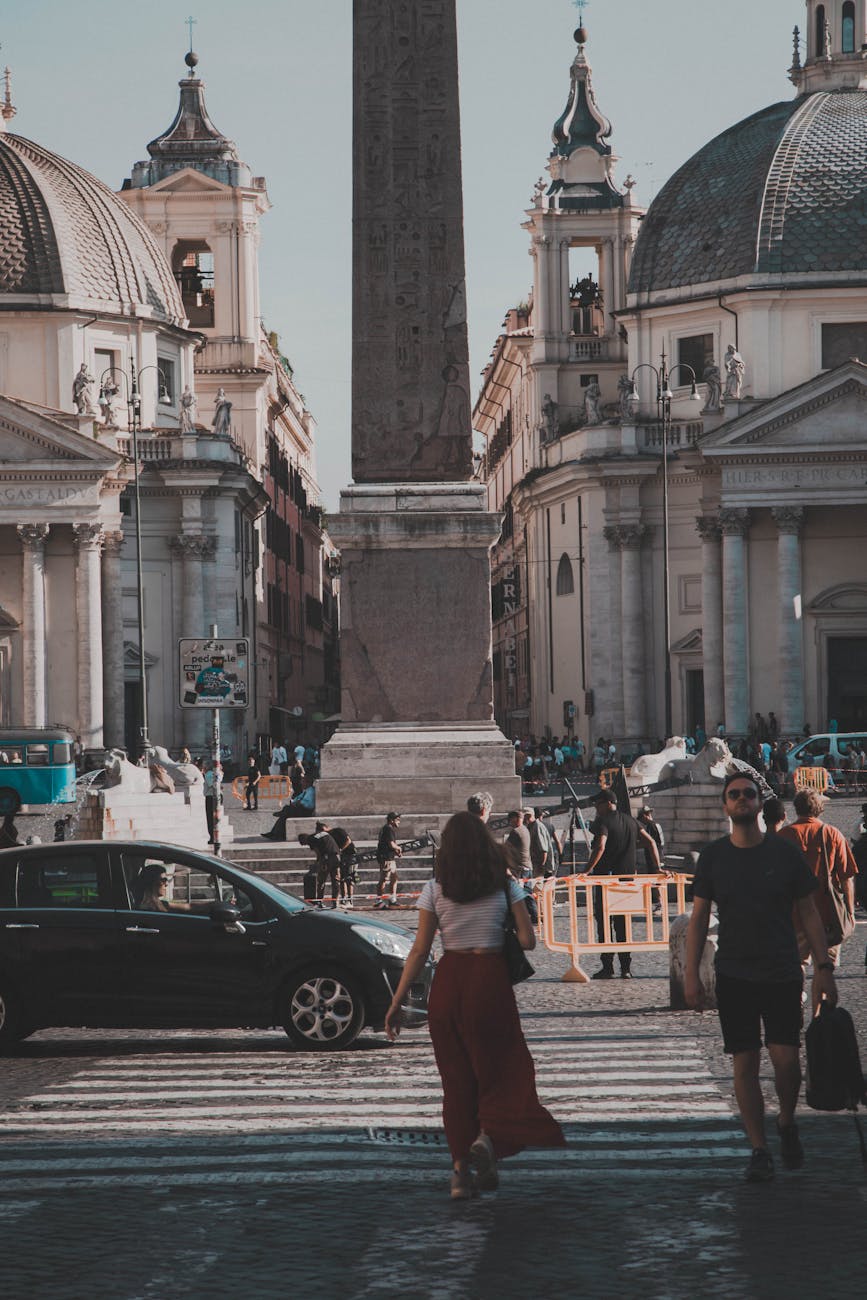
Rome, known as the Eternal City, is renowned for its rich history and breathtaking architecture, including iconic landmarks such as the Colosseum and the Pantheon. Visitors are captivated by its vibrant culture, delicious cuisine, and picturesque piazzas that invite exploration at every turn. With centuries of art, religion, and tradition woven into its streets, Rome remains one of the most fascinating destinations in the world.
Rome holds a special place in my heart, as it was the destination for my very first solo trip in 2011. Every visit, whether exploring the magnificent Colosseum, wandering through the cobbled lanes of Trastevere, or savoring authentic Roman dishes like carbonara and supplì, reminded me of the city’s rich history and lively culture. I returned in 2012 with friends, sharing the magic of the Pantheon and indulging together in creamy gelato near Piazza Navona. In 2022, I came back once more, this time with my mom. A living proof it is, perhaps, that tossing a coin into the Trevi Fountain really does ensure your return to Rome. Each trip deepened my appreciation for Rome’s timeless beauty and warm hospitality, making every experience truly unforgettable.
About Rome
Rome stands as a testament to centuries of history, serving as the heart of the ancient Roman Empire and a cradle of Western civilization. Its origins date back to 753 BC, and over the millennia, Rome has shaped the world through its military prowess, art, philosophy, and law. Walking through the city, visitors encounter remnants of its storied past at every turn, from the majestic ruins of the Roman Forum to the imposing grandeur of the Colosseum, which once hosted gladiator battles that defined an era.
Beyond its historical significance, Rome continues to play a crucial role in global culture and religion. It is the seat of the Catholic Church, home to Vatican City and St. Peter’s Basilica, drawing millions of pilgrims and tourists each year. Rome’s blend of ancient traditions and modern vibrancy is reflected in its bustling piazzas, lively markets, and world-class cuisine, ensuring its relevance as a dynamic metropolis that bridges past and present.
There is no shortage of iconic places to visit and activities to experience in Rome. Must-see landmarks include the Pantheon, Trevi Fountain, and the Spanish Steps, each offering a unique glimpse into the city’s rich tapestry. Art lovers will find inspiration in the Vatican Museums and the Sistine Chapel, while food enthusiasts can savor authentic Roman dishes in trattorias scattered throughout the city. Whether you’re wandering the cobbled streets, exploring historical sites, or enjoying gelato at a sidewalk café, Rome offers endless opportunities for discovery and delight.
Colosseum
Visit the Colosseum and imagine the gladiator battles of ancient Rome.
Beyond its role as an ancient venue for spectacles, the Colosseum today serves as a powerful symbol of resilience and transformation. Over the centuries, it has survived natural disasters, periods of neglect, and various uses ranging from a fortress to housing. Restoration efforts in recent years have highlighted the importance of preserving cultural heritage, and modern visitors can witness ongoing conservation work firsthand. The Colosseum’s enduring presence in the heart of Rome continues to inspire awe, reminding us how historic monuments can adapt and find new meaning in contemporary times.
Roman Forum
Explore the Roman Forum to walk among the ruins of Rome’s political and social center.
In addition to its historical ruins, the Roman Forum is renowned for its vibrant archaeological activity and the discoveries that continue to shed light on ancient Roman daily life. The site is a treasure trove for historians and archaeologists, who frequently uncover artifacts such as pottery, coins, and inscriptions that offer valuable insights into commerce, religious practices, and social interactions of the era. Guided tours often highlight these ongoing excavations, inviting visitors to witness history in the making and to appreciate how the Forum remains an active field of research and exploration.
Pantheon
Marvel at the Pantheon, an architectural masterpiece and ancient temple.
The Pantheon has also earned a reputation as a remarkable acoustic space, frequently serving as a venue for classical concerts and choral performances. Its vast, domed interior creates a unique sound environment, allowing music to resonate beautifully beneath the coffered ceiling. Audiences and performers alike are drawn to the Pantheon not only for its historical grandeur but also for the immersive auditory experience it provides during special cultural events.
Trevi Fountain
Toss a coin into the Trevi Fountain to ensure your return to Rome.
The Trevi Fountain is also renowned for its impressive Baroque artistry and dramatic sculptures depicting Oceanus, the god of water, commanding his chariot drawn by sea horses and tritons. Designed by Nicola Salvi and completed in the 18th century, the fountain’s intricate carvings and cascading water create a dynamic tableau that reflects Rome’s mastery of public art and urban design. Its grand façade seamlessly integrates with the surrounding palazzi, making the Trevi Fountain not only a prominent landmark but also a harmonious part of the city’s architectural landscape.
Spanish Steps
Climb the Spanish Steps and enjoy people-watching in the lively Piazza di Spagna.
The Spanish Steps also serve as a seasonal hub for floral displays, most notably during the annual springtime azalea festival when hundreds of vibrant pink and white azalea plants adorn the staircase. This burst of color transforms the monument into a botanical showcase, attracting photographers and garden enthusiasts from around the world. The tradition highlights both Rome’s appreciation for nature and the city’s commitment to preserving and beautifying its historic spaces.
Vatican Museums
Tour the Vatican Museums and gaze at the stunning Sistine Chapel ceiling painted by Michelangelo.
In addition to their artistic treasures, the Vatican Museums are home to an extensive collection of ancient artifacts from civilizations around the world, including Egyptian mummies, Etruscan bronzes, and classical Greek sculptures. Visitors can explore galleries dedicated to ethnological collections, maps, and tapestries, offering a fascinating glimpse into global history and the evolution of human creativity. These diverse exhibits make the museums a destination not just for art lovers, but for anyone interested in the rich tapestry of world cultures.
St. Peter’s Basilica
Admire St. Peter’s Basilica and experience the spiritual heart of Catholicism.
St. Peter’s Basilica is renowned for hosting a range of significant events and ceremonies throughout the year, including papal audiences and special masses that draw thousands of visitors and pilgrims from across the globe. The basilica’s vast interior is designed to accommodate large congregations, making it a focal point for major religious celebrations such as Easter and Christmas. These gatherings often feature elaborate processions, choral performances, and the use of centuries-old liturgical traditions, offering attendees a unique opportunity to experience the vibrancy of Catholic ritual on a truly grand scale.
Piazza Navona
Stroll through Piazza Navona, famous for its fountains and vibrant street artists.
Piazza Navona is also a popular venue for seasonal markets, especially during the festive period leading up to Christmas. The square fills with stalls selling holiday treats, handcrafted ornaments, and traditional toys, creating a cheerful atmosphere for families and visitors alike. Street musicians and entertainers add to the lively ambiance, making Piazza Navona a delightful destination for soaking up local culture during special times of the year.
Roman Cuisine at a Trattoria
Enjoy authentic Roman cuisine at a traditional trattoria.
Beyond the well-known trattorias, Roman cuisine boasts a vibrant street food scene that offers delicious snacks perfect for exploring on the go. Classic options include supplì, crispy rice balls filled with mozzarella and ragù, and pizza al taglio, Roman-style pizza served by the slice and topped with fresh local ingredients. Food markets throughout the city, such as Campo de’ Fiori, invite visitors to sample these specialties alongside seasonal fruits, cheeses, and cured meats, providing a flavorful glimpse into everyday life in Rome.
Ponte Sant’Angelo
Walk across Ponte Sant’Angelo and visit the Castel Sant’Angelo for sweeping city views.
Ponte Sant’Angelo is not only an architectural marvel but also a living canvas for history and art. The bridge is adorned with ten striking angel statues, each sculpted by Gian Lorenzo Bernini and his pupils in the 17th century, representing different symbols of the Passion of Christ. These angels, perched gracefully atop the balustrades, create a serene and contemplative atmosphere, inviting visitors to pause and reflect as they admire both the artistry and the panoramic views of the Tiber River below.


