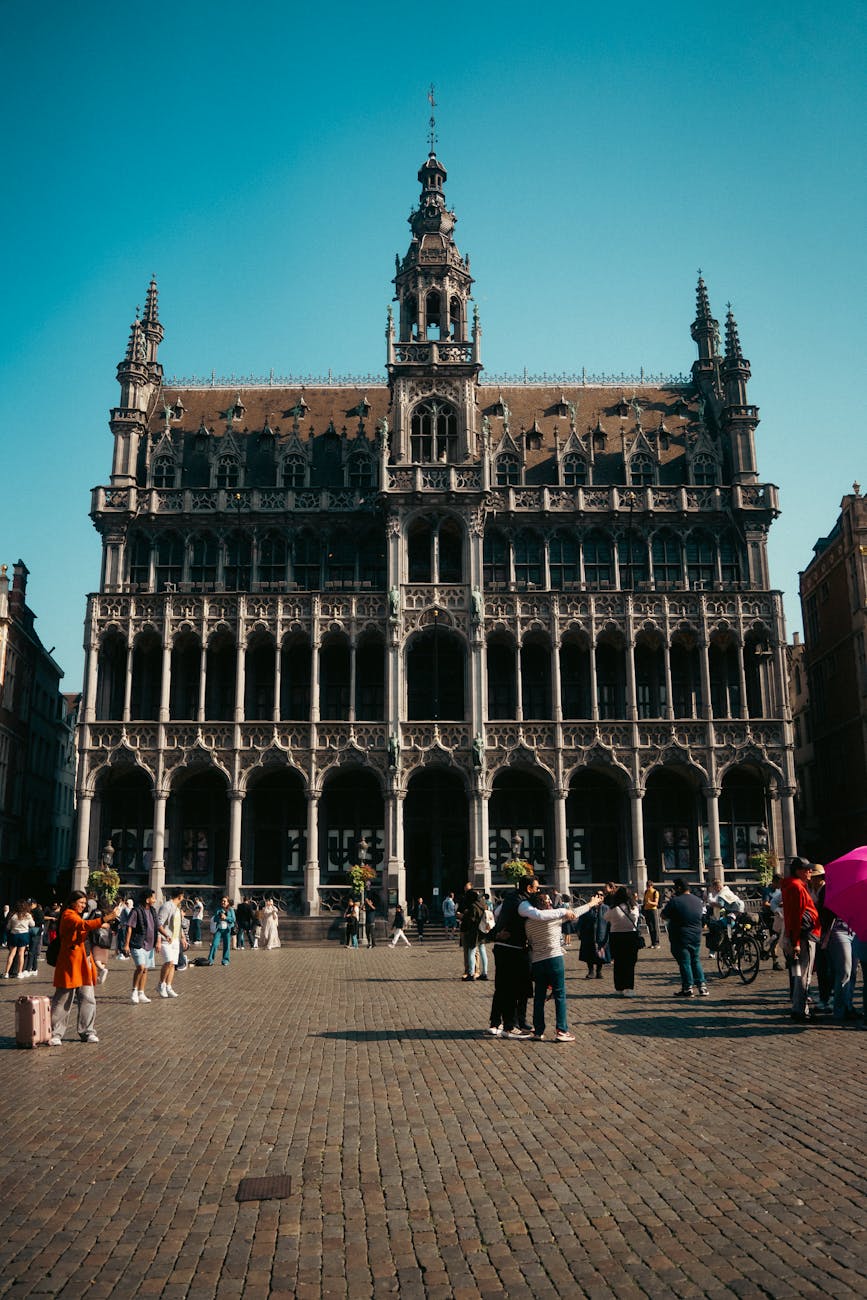
Brussels beckons with its rich tapestry of history and vibrant cultural offerings, promising an unforgettable journey through its storied streets.
From the grandeur of its historic landmarks to the lively pulse of its contemporary art and cuisine, the city offers a captivating blend of the old and the new, inviting visitors to immerse themselves in its unique charm and dynamic spirit.
Brussels, Belgium’s vibrant capital, became my professional home for many years, offering an immersive experience in the heart of Europe. Working in Brussels allowed me to engage with a diverse international community, thanks to the city’s role as the headquarters for the European Union and numerous global organizations. I cherished my daily walks through bustling neighborhoods like the Grand Place, where ornate guildhalls and lively markets brought the city’s rich history to life. The blend of French and Flemish influences was evident in everything from the local cuisine—think crispy frites and decadent chocolate—to the bilingual conversations overheard in cafés. My time in Brussels fostered both personal and professional growth, making the city an integral part of my European journey.
About Brussels
Brussels, the capital city of Belgium, boasts a rich and fascinating history that has shaped it into the vibrant metropolis it is today. The city’s origins date back to the 10th century, when it was a small settlement along the Senne River. Over the centuries, Brussels grew in importance, particularly during the Medieval period when it became a bustling center for trade and commerce. The construction of the Grand Place, a magnificent square surrounded by guildhalls and a Town Hall, marked the city’s emergence as a pivotal economic hub. The Grand Place remains a testament to Brussels’ medieval prosperity and architectural grandeur.
By the 15th century, Brussels had become the capital of the Duchy of Brabant, further solidifying its political significance. It played a crucial role within the Habsburg Empire and later under Spanish rule, which left an indelible mark on the city’s culture and architecture. The 17th century saw Brussels flourish as an artistic center, with the Baroque period bringing about a wave of cultural and structural transformation. The city’s resilience was tested during the French Revolution and subsequent annexation by the French Republic, but it emerged with a strengthened identity and spirit.
The modern history of Brussels is equally remarkable. In the 19th century, following Belgium’s independence in 1830, Brussels was declared the capital of the new nation. It underwent extensive urban development, including the construction of iconic landmarks such as the Royal Palace and the Atomium. Brussels’ role evolved further in the 20th century, especially after World War II, when it became the de facto capital of the European Union. The city’s diverse and dynamic history, from its medieval roots to its contemporary significance, continues to shape its identity as a cultural and political epicenter in Europe.
Grand Place
A UNESCO World Heritage site, the Grand Place is surrounded by opulent guildhalls and the impressive Town Hall. It is the epicenter of Brussels’ social life, hosting various events, including the famous Flower Carpet held every two years.
The rich history of the Grand Place is evident in its architecture, which reflects the prosperity and cultural significance of Brussels through the ages. Visitors can explore the nearby Museum of the City of Brussels to delve deeper into the city’s past or simply enjoy the vibrant atmosphere of the square. For accommodations, there are several charming hotels within walking distance, offering a blend of historic charm and modern comfort. The Grand Place is a must-see for anyone visiting Brussels, offering a perfect blend of historical grandeur, cultural activities, and convenient places to stay.
Manneken Pis
A short stroll from the Grand Place, you’ll find the iconic Manneken Pis, a small bronze statue of a little boy urinating into a fountain. Despite its diminutive size, this statue is a symbol of Brussels’ irreverent sense of humor and is often dressed in various costumes throughout the year.
The origins of the Manneken Pis are shrouded in legend and mystery. One popular tale suggests that the statue commemorates a brave young boy who saved the city from disaster by extinguishing a dangerous explosive fuse with his timely urination. Another story claims it represents the son of a nobleman who went missing and was later found in the very spot where the statue now stands.
Over the centuries, Manneken Pis has become an enduring symbol of defiance and resilience, with various replicas and tributes found in cities around the world. The statue’s frequent costume changes are managed by a dedicated committee, and its wardrobe boasts hundreds of outfits, ranging from traditional Belgian attire to international uniforms and festive ensembles. Each new costume is celebrated with a special ceremony, adding to the whimsical charm and cultural significance of this beloved Brussels landmark.
Atomium
Head to Heysel Park to marvel at the Atomium, an architectural marvel designed for the 1958 Brussels World’s Fair. This unique structure, representing an iron crystal magnified 165 billion times, offers panoramic views of the city from its spheres. Inside, you’ll find exhibits on science, design, and the history of the Atomium.
The Atomium is not merely a historical artifact; it has transformed into a vibrant cultural venue over the years. Each sphere of the Atomium houses different attractions, including a restaurant offering exquisite Belgian cuisine with a view that is simply unparalleled. The structure also hosts temporary and permanent exhibitions that cater to a wide range of interests, from art and science to history and technology. The Atomium illuminates brilliantly at night, casting a futuristic glow over Brussels, making it a captivating sight for both locals and visitors. Its enduring presence continues to inspire awe, symbolizing human ingenuity and the forward-thinking spirit of the mid-20th century.
Royal Palace of Brussels
The Royal Palace of Brussels, located in the city center, is the official palace of the Belgian king. While the king does not reside here, the palace is used for state functions and is open to the public during the summer months. Visitors can admire the lavish interiors and exquisite artworks.
In addition to its grandeur and historical significance, the Royal Palace of Brussels is a testament to the evolving architectural styles over the centuries, blending neoclassical and modern elements seamlessly.
The palace’s façade, with its stately columns and intricate embellishments, commands attention and admiration from all who pass by. Inside, the Mirror Room stands out with its breathtaking ceiling adorned with the shimmering wings of over a million Thai jewel beetle elytra. This striking installation, created by artist Jan Fabre, adds a contemporary twist to the palace’s classical interior, highlighting Belgium’s rich tradition of integrating art within its historical narrative. The Royal Palace also plays a pivotal role during the National Day celebrations on July 21st, where it opens its doors to the public, offering a glimpse into the regal life and the nation’s heritage.
Parc de Bruxelles
Just across from the Royal Palace, you’ll find the Parc de Bruxelles, also known as the Brussels Park. This lush green space is perfect for a leisurely stroll or a picnic, and it often hosts outdoor concerts and events.
Parc de Bruxelles also serves as a significant cultural hub, hosting numerous public events and festivals throughout the year. The park’s meticulously landscaped gardens and meandering pathways provide a serene escape from the city’s hustle and bustle, while its historical monuments and statues add a touch of elegance and historical depth. It is not uncommon to see artists capturing the park’s beauty on their canvases or musicians performing to the delight of passersby. The park’s central location makes it a popular meeting place for both locals and tourists, and its spacious lawns and shaded areas offer a perfect setting for relaxation and recreation.
European Parliament
Brussels is often referred to as the “Capital of Europe” due to its role as the headquarters of the European Union. A visit to the European Parliament offers a unique insight into the workings of the EU. The Parlamentarium, the visitors’ center, provides interactive exhibits and multimedia displays to learn about the history and functions of the EU.
In addition to the Parlamentarium, the European Parliament also offers opportunities for visitors to attend sessions and witness debates firsthand, providing a dynamic and educational experience. The building itself is an architectural marvel, combining modern design with functional spaces to reflect the progressive values of the EU. Guided tours are available in all 24 official languages of the EU, ensuring accessibility for a diverse range of visitors. The European Parliament frequently hosts events and exhibitions that highlight the cultural and political milestones of its member states, making it not only a place of governance but also a center for cultural exchange and learning. Its proximity to other EU institutions further emphasizes Brussels’ pivotal role in European and international politics.
Parc Leopold
Near the European Parliament, is the tranquil Parc Leopold. This park is an oasis of greenery and features a beautiful pond, perfect for a relaxing afternoon amidst nature.
Parc Leopold is not only a haven for nature enthusiasts but also a place of historical and scientific significance. The park is home to the Solvay Library and the Museum of Natural Sciences, where visitors can explore fascinating exhibitions on paleontology, mineralogy, and entomology. The library, with its stunning architecture and serene reading rooms, offers a quiet retreat for scholars and book lovers alike. Additionally, the park boasts a variety of flora and fauna, including rare plant species and a diverse bird population, making it an excellent spot for birdwatching and botanical studies.
Delirium Cafe
Beer lovers will be in paradise at Delirium Cafe, a world-famous bar that boasts over 2,000 different beers. The cozy atmosphere and vast selection make it a must-visit for anyone looking to sample Belgium’s legendary brews.
Delirium Cafe’s ambiance is enhanced by its eclectic decor, featuring quirky beer-related memorabilia and cozy nooks that invite patrons to relax and savor their beverages. The friendly staff are knowledgeable about the extensive beer menu and are always ready to offer recommendations based on individual preferences. With occasional live music and events, Delirium Cafe cultivates a lively and welcoming environment that attracts beer aficionados from around the globe. Its central location in Brussels makes it a convenient stop for tourists exploring the city’s rich cultural and historical sites while indulging in Belgium’s renowned beer tradition.
Galeries Royales Saint-Hubert
Galeries Royales Saint-Hubert is one of the world’s oldest shopping arcades. This elegant glass-roofed arcade is home to luxury boutiques, chocolatiers, and cafes, perfect for indulging in some retail therapy or sampling exquisite Belgian chocolates.
Beyond its luxurious shops and delightful cafes, the Galeries Royales Saint-Hubert serves as a testament to architectural innovation and historical significance. Opened in 1847, it was one of the first shopping arcades to be built using metal and glass, setting a precedent for modern retail spaces. The arcade’s design harmoniously blends Renaissance and Baroque elements, creating a majestic atmosphere that attracts visitors from all over the world. Regular cultural events, exhibitions, and performances are held within its ornate halls, making it a vibrant cultural hotspot as well as a retail destination. Whether you’re gazing at the intricate ceiling, attending a literary salon, or simply enjoying a leisurely stroll, the Galeries Royales Saint-Hubert offers a multifaceted experience that goes beyond mere shopping.
Place du Grand Sablon
The Place du Grand Sablon is a charming square known for its antique shops, art galleries, and weekend antique market. It’s an ideal spot for art lovers and collectors to browse unique treasures and enjoy the vibrant atmosphere.
The square is also renowned for its culinary delights, with a variety of cafes and restaurants offering everything from traditional Belgian dishes to contemporary international cuisine. It’s not uncommon to see artists and musicians adding a touch of creativity to the vibrant atmosphere, making it a perfect place for leisurely strolls, people-watching, and soaking in the local culture. Seasonal events and festivals further enhance the charm of Place du Grand Sablon, drawing both locals and tourists to its lively and picturesque setting.
Church of Our Blessed Lady of the Sablon
Nearby, you’ll find the Church of Our Blessed Lady of the Sablon, a stunning Gothic cathedral with intricate stained-glass windows and ornate chapels. It’s a peaceful place to reflect and admire the craftsmanship of the past.
The Church of Our Blessed Lady of the Sablon also holds historical significance, as it was once the favored place of worship for the aristocracy of Brussels. It houses several notable sculptures and religious artifacts, including the Baroque pulpit and the magnificent alabaster altarpiece. The church’s serene garden is an inviting spot for quiet contemplation, offering a tranquil retreat from the bustling city streets. Additionally, the church is the starting point for the annual Ommegang parade, a historic reenactment that celebrates the city’s medieval traditions.
Mont des Arts
The Mont des Arts is a cultural complex that offers some of the best views of Brussels. This area is home to several museums, including the Royal Museums of Fine Arts of Belgium and the Musical Instruments Museum. The beautifully landscaped gardens and terraces provide a serene escape with panoramic vistas.
In addition to its museums and gardens, the Mont des Arts is famed for its vibrant cultural scene. Regular concerts, art exhibitions, and open-air performances take place in this area, offering an ever-changing array of activities for culture enthusiasts. The Mont des Arts also hosts various festivals throughout the year, celebrating everything from classical music to contemporary art. With its combination of artistic flair and serene beauty, the Mont des Arts is a must-visit destination for those seeking both inspiration and relaxation in the heart of Brussels.
Flagey Square
Experience the local lifestyle at Flagey Square, a bustling area with a lively market, trendy cafes, and a vibrant nightlife. The nearby Ixelles Ponds add to the charm, making it a popular spot for both locals and visitors.
Flagey Square is also a hub for cultural and artistic events, frequently hosting film screenings, concerts, and exhibitions at the iconic Flagey building, which was originally constructed as a broadcasting house. This Art Deco masterpiece adds a touch of elegance to the area, and its multi-purpose halls make it a prime venue for diverse performances. The square’s dynamic spirit is further enhanced by its array of culinary offerings, from gourmet food trucks to fine dining establishments, catering to every palate. Visitors can also enjoy the picturesque views of the surrounding Art Nouveau architecture, which provides a perfect backdrop for leisurely exploration.
Belgian Chocolates and Waffles
No visit to Brussels is complete without indulging in its world-famous chocolates and waffles. The city boasts an impressive array of chocolatiers, each offering their unique twist on this beloved treat. From the luxurious pralines of renowned brands like Neuhaus and Godiva to the artisanal creations of smaller shops, there is something to delight every chocolate lover’s palate. Many chocolatiers also offer workshops, where visitors can learn the art of chocolate-making and create their delicious masterpieces. Strolling through the cobblestone streets of Brussels, one is never far from the enticing aroma of freshly made chocolates, making the experience all the more irresistible.
Waffles, another culinary icon of Brussels, are a must-try for any visitor. Belgian waffles come in two main varieties: the lighter, crispier Brussels waffle and the denser, sweeter Liege waffle. Street vendors and cafes alike serve these delectable treats, often topped with whipped cream, fresh fruit, or a drizzle of chocolate. For an authentic experience, visitors can join a waffle-making workshop, where they can learn the secrets behind crafting the perfect waffle. The pleasure of biting into a warm, freshly made waffle while exploring the charming streets of Brussels is an experience that will surely make any trip to the city unforgettable.
Brussels is a city of contrasts, where historic charm meets modern vibrancy. With its rich cultural tapestry, diverse attractions, and welcoming atmosphere, it’s a destination that promises to captivate and inspire every visitor.


