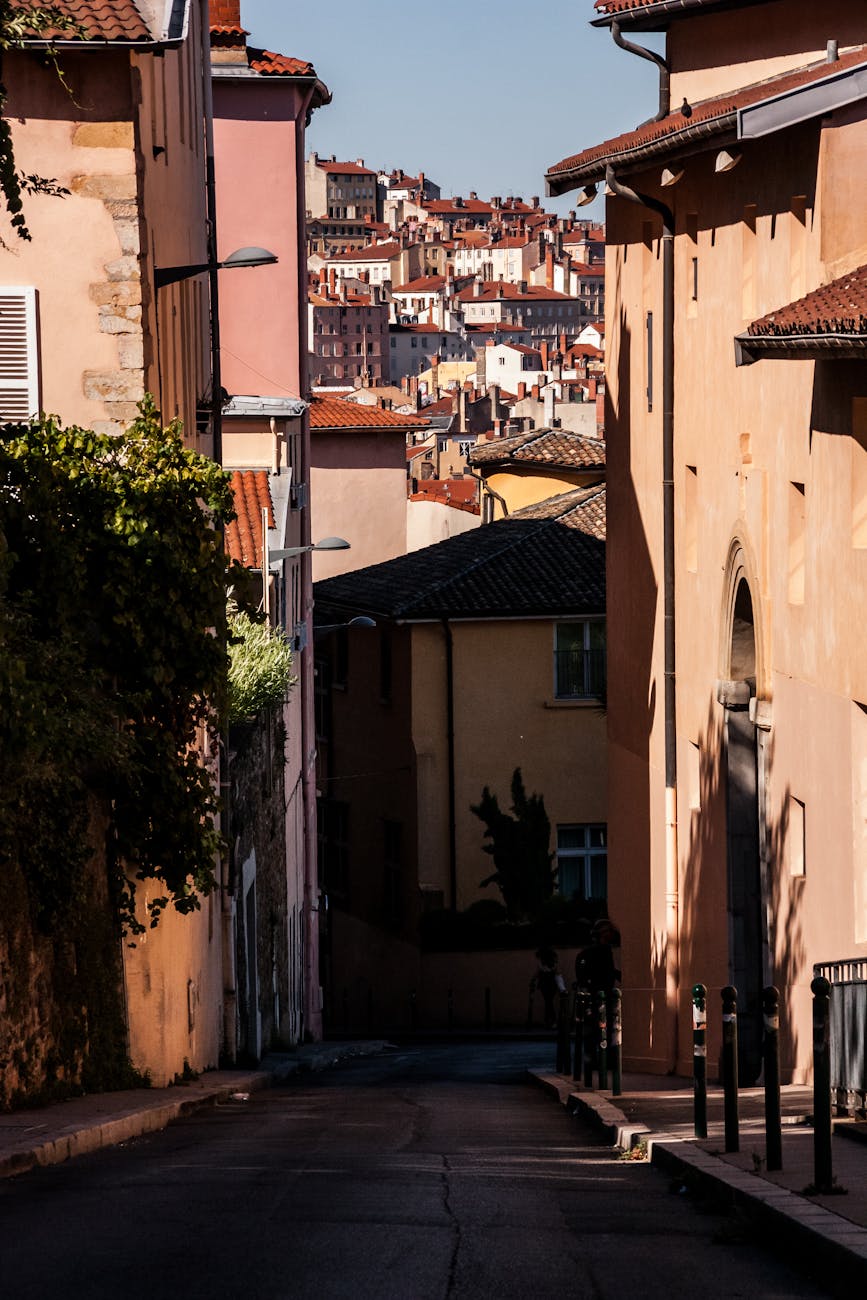
Explore the winding streets of Vieux Lyon, where Renaissance architecture and vibrant cafés create a lively atmosphere. Climb to the top of Fourvière Hill to admire the stunning Fourvière Basilica and enjoy panoramic views of the city. Wander through Lyon’s famous traboules—hidden passageways that connect courtyards and offer a unique glimpse into the city’s history.
In 2014, my husband and I spent a delightful weekend in Lyon, France, immersing ourselves in the city’s renowned culinary scene and charming atmosphere. We wandered through the historic streets of Vieux Lyon, admiring the Renaissance architecture and discovering hidden traboules that connected picturesque courtyards. Indulging in traditional Lyonnaise cuisine at a cozy bouchon, we enjoyed specialties like quenelles and praline tart. The vibrant energy of the city, combined with strolls along the Rhône and Saône rivers, made our visit unforgettable and left us eager to return someday.
About Lyon
Lyon, situated at the confluence of the Rhône and Saône rivers in eastern France, is a city rich in history and culture. Founded by the Romans in 43 BC as Lugdunum, Lyon quickly became a significant center of commerce and administration in the Roman Empire. Over the centuries, it flourished as a hub for silk production and banking during the Renaissance, which is evident in the city’s well-preserved Renaissance architecture, especially in Vieux Lyon. The city’s historical significance is recognized by UNESCO, which has listed its central districts as a World Heritage Site.
Today, Lyon is renowned not only for its historical legacy but also for its vibrant and lively atmosphere. It is considered the gastronomic capital of France, thanks to its abundance of traditional “bouchons,” local markets, and the famed Les Halles de Lyon Paul Bocuse. Its cultural scene is thriving, with numerous theaters, museums, and festivals, such as the annual Festival of Lights, which draws visitors from around the world. The city’s importance is further underscored by its role as a major center for education, business, and innovation in France.
Visitors to Lyon can explore a variety of remarkable sites and experiences. Wandering through the cobblestone streets of Vieux Lyon immerses you in a world of Renaissance buildings, vibrant cafés, and hidden traboules—secret passageways that reveal the city’s layered history. Climbing Fourvière Hill offers not only panoramic views of Lyon but also a chance to visit the stunning Fourvière Basilica. Other highlights include the Ancient Theatre of Fourvière, the Gallo-Roman Museum, Lyon Cathedral, the bustling Presqu’ile district, and the city’s famous murals. Food enthusiasts will delight in tasting Lyonnaise cuisine and discovering the city’s culinary traditions at local restaurants and markets.
Vieux Lyon
Wander the cobblestone streets of the city’s Renaissance district, filled with colorful architecture, lively cafés, and hidden traboules.
Beyond its architectural and historical allure, Vieux Lyon is also home to a vibrant community of artisans and craftspeople who contribute to the district’s unique character. Small workshops and boutiques tucked away in side streets offer handmade goods ranging from jewelry and textiles to pottery and specialty chocolates. Visitors can often watch artisans at work, gaining insight into traditional techniques and contemporary creativity that help define the neighborhood’s dynamic spirit.
Fourvière Hill
Visit the magnificent Fourvière Basilica and take in sweeping views of Lyon from the top of the city.
Fourvière Hill is also known for its lush green spaces, providing a tranquil escape from the bustling city below. The Parc des Hauteurs, a scenic park stretching across the hillside, features peaceful walking paths and gardens where locals and visitors alike enjoy leisurely strolls and picnics. This natural haven is especially popular in spring and summer, when blooming flowers and shaded benches invite people to relax and enjoy the serene ambiance.
Traboules
Seek out these historic secret passageways that connect courtyards and buildings, offering a unique glimpse into Lyon’s past.
In recent years, the traboules of Lyon have become a subject of fascination for urban explorers and photographers, who are drawn to their mysterious ambiance and the interplay of light and shadow along their winding passages. Many local initiatives and guided tours now focus on uncovering lesser-known traboules, helping preserve their stories and encouraging responsible exploration. This renewed interest has contributed to an increased awareness of urban heritage conservation and the unique value these passageways bring to the city’s identity.
Ancient Theatre of Fourvière
Experience Roman history and, if possible, catch a performance at this impressive open-air venue.
In addition to its historical significance, the Ancient Theatre of Fourvière is notable for its exceptional acoustics, which have drawn the attention of sound engineers and music enthusiasts alike. The design of the amphitheater allows voices and instruments to carry clearly throughout the venue, a testament to the ingenuity of its Roman builders. Today, this acoustic quality makes the site an attractive location not only for performances but also for academic studies in architecture and physics, as students and researchers analyze the theater’s structure to better understand ancient engineering techniques.
Gallo-Roman Museum
Learn about Lyon’s origins and Roman heritage through fascinating artifacts and exhibits.
The Gallo-Roman Museum is architecturally unique, seamlessly integrated into the hillside beneath Fourvière, allowing visitors to transition from the modern cityscape directly into the ancient world. Its underground design not only preserves the landscape but also creates an immersive atmosphere as guests descend through concrete galleries that open onto panoramic windows overlooking Roman ruins. This innovative approach enhances the storytelling of Lyon’s past, making the museum itself an integral part of the visitor experience.
Lyon Cathedral
Marvel at the gothic architecture and beautiful astronomical clock inside this landmark church.
Lyon Cathedral is also renowned for its role in the city’s cultural and religious festivities. Each December, the cathedral becomes a focal point during the Festival of Lights, when its façade is illuminated with vibrant displays and thousands of residents gather in the surrounding square to celebrate. This tradition highlights the cathedral’s continued importance as a gathering place and symbol of community spirit in Lyon.
Presqu’ile
Enjoy shopping, dining, and people-watching in this vibrant and bustling central district.
Presqu’ile is also home to a diverse array of architectural styles, reflecting the city’s evolution from the Renaissance to the present day. As you stroll its boulevards, you’ll encounter elegant 19th-century apartment buildings, grand public squares, and striking examples of Art Deco and contemporary design. This eclectic mix gives the district a distinctive character and makes it a fascinating destination for architecture enthusiasts eager to explore Lyon’s rich urban landscape.
Lyon Murals
Search for the city’s famous trompe-l’oeil murals that decorate building facades with scenes from everyday life.
Beyond their visual appeal, the Lyon Murals serve as a dynamic canvas for local artists to express social themes and commemorate historical figures important to the city. Many of these murals are the result of collaborative community projects, fostering a sense of neighborhood pride and encouraging public engagement with art. Guided walking tours are available for visitors who want to learn more about the stories behind each mural and the artists who created them, offering a deeper appreciation of Lyon’s vibrant street art culture.
Lyonnaise Cuisine
Dine at a traditional “bouchon” or local market to taste regional specialties like quenelles, coq au vin, and praline tart.
Lyonnaise cuisine is deeply influenced by the region’s agricultural heritage, with an emphasis on fresh, seasonal produce sourced from the surrounding countryside. Local farmers’ markets play a vital role in daily life, offering an abundance of fruits, vegetables, cheeses, and meats that inspire home cooks and chefs alike. The strong connection between Lyon’s culinary traditions and its rural roots is evident in the city’s commitment to celebrating local ingredients and supporting sustainable food practices.
Les Halles de Lyon Paul Bocuse
Experience the city’s culinary excellence at this renowned indoor food market named after the legendary chef.
Beyond its impressive culinary offerings, Les Halles de Lyon Paul Bocuse is also a vibrant social hub where locals and visitors gather to enjoy the lively atmosphere. The market hosts seasonal events, cooking demonstrations, and tastings that celebrate Lyon’s food culture and bring together people from all walks of life. Its central location and welcoming ambiance make it a favorite spot for meeting friends, exchanging stories, and experiencing the city’s hospitality firsthand.


