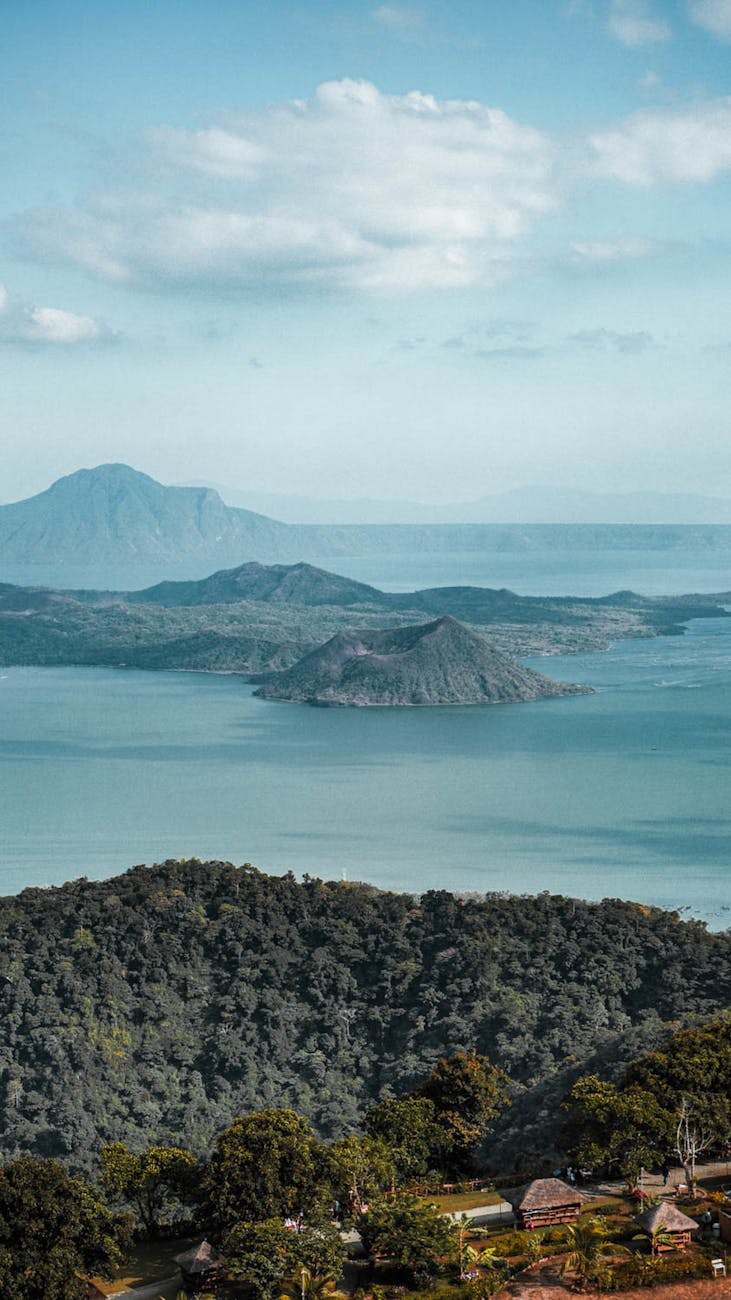
Batangas, a province in the Philippines, is renowned for its rich heritage and scenic landscapes. Visitors enjoy Taal Volcano, heritage towns, and diving spots in Anilao. Local cuisine, historical churches, and vibrant festivals add to its charm, making Batangas a favorite destination for culture, nature, and adventure seekers alike.
Before I moved to Europe, Batangas had always been the go-to destination for my family in the Philippines for weekend escapes. Its proximity to Manila made spontaneous trips to its scenic beaches, tranquil resorts, and vibrant dive spots an easy and cherished tradition for our family. Today, whenever me and my family visit the Philippines, Batangas is still on our itinerary—whether for savoring fresh seafood by the coast, exploring hidden coves, or simply reliving the relaxed atmosphere that made it such a special part of our lives. We usually visit Calatagan and Tagaytay and we’d stay to our favorite, family-friendly Pico Sands Hotel at Pico De Loro Beach and Country Club.
About Batangas
Batangas traces its roots back to the early days of Spanish colonization in the Philippines, playing a significant role in shaping the country’s history. Founded in the late 16th century, Batangas became known for its prosperous towns, ancestral homes, and centuries-old churches that reflect a blend of Spanish influences and local traditions. The province was also an active participant in the Philippine Revolution, with many Batangueños joining the fight for independence, and its heritage is still evident in the well-preserved architecture and historic markers scattered throughout the region.
Today, Batangas stands as a vital hub for tourism, commerce, and culture in Southern Luzon. Its proximity to Metro Manila makes it a popular weekend escape for both local and international visitors seeking natural beauty and adventure. The province is also a center for agriculture and industry, contributing significantly to the nation’s economy through its coffee farms, sugarcane plantations, and bustling ports. Batangas’ vibrant festivals, such as the Sublian Festival, showcase its strong sense of identity and communal pride, celebrating both its past and present achievements.
When visiting Batangas, travelers are treated to a wide range of attractions and activities. The iconic Taal Volcano, often admired from the lakeside town of Taal or Tagaytay, offers unique hiking opportunities and breathtaking views. Dive enthusiasts flock to Anilao, regarded as one of the country’s best spots for scuba diving and snorkeling, thanks to its rich marine biodiversity and crystal-clear waters. Other must-see destinations include the heritage town of Taal, with its ancestral houses and Basilica of St. Martin de Tours, as well as the white sand beaches of Nasugbu, Laiya, and Calatagan, where visitors can relax, swim, and try water sports. Exploring local cuisine, visiting centuries-old churches, and joining lively town fiestas complete the Batangas experience for culture, nature, and adventure seekers alike.
Taal Volcano
Beyond its dramatic landscape, Taal Volcano has long inspired local legends and folklore that are woven into the cultural fabric of Batangas. Stories passed down through generations describe mythical creatures guarding the volcano’s depths or attribute its occasional activity to the emotions of ancient deities. These tales contribute to the mystique of Taal, making it not just a natural wonder but also a source of local identity and storytelling that captivates both residents and visitors alike.
Anilao
Beyond its thriving dive scene, Anilao is also home to a tight-knit coastal community known for their warm hospitality and close relationship with the sea. Early mornings in Anilao often begin with fishermen heading out in traditional boats, bringing in fresh catches that supply local markets and family kitchens. The area’s tranquil coves and scenic sunsets provide a peaceful retreat for visitors seeking relaxation, while small family-run resorts offer a glimpse into Batangueño daily life and genuine Filipino warmth.
Heritage Town of Taal
Apart from its natural and cultural significance, the town of Taal is renowned for its vibrant crafts and artisanal traditions. Local markets brim with beautiful hand-embroidered barong Tagalog and piña fabrics, reflecting centuries-old weaving and needlework techniques passed down through generations. Visitors can explore workshops and boutiques where skilled artisans create intricate lace, delicate fans, and traditional accessories, making Taal a must-visit destination for those interested in Philippine handicrafts and heritage shopping.
White Sand Beaches
Each of Batangas’ white sand beach destinations—Nasugbu, Laiya, and Calatagan—offers unique ecological experiences for nature lovers. The coastal areas are home to mangrove forests and protected marine sanctuaries, supporting diverse species of birds and aquatic life. Guided eco-tours allow visitors to learn about conservation efforts and participate in activities like planting mangrove seedlings or exploring tidal flats teeming with marine creatures, making these beaches ideal for travelers interested in sustainable tourism and environmental stewardship.
Local Cuisine
Batangas is also celebrated for its delectable seafood dishes, which showcase the bounty of its coastal waters. Freshly caught fish, prawns, and shellfish are often prepared in simple yet flavorful ways, such as grilled over charcoal or simmered in tangy sinigang broths. Local specialties like sinaing na tulingan—a slow-cooked bullet tuna simmered with dried kamias and wrapped in banana leaves—offer a taste of Batangueño culinary heritage that’s deeply rooted in traditional cooking methods and the abundance of the sea. Taste Batangas specialties like lomi noodle soup and robust kapeng barako coffee.
Historical Churches
In addition to their religious significance, many historical churches in Batangas have become architectural landmarks, drawing the attention of history buffs and design enthusiasts alike. These churches often feature an intriguing blend of Baroque and Neo-Gothic elements, with elaborate stonework, intricately carved wooden doors, and bell towers that stand as silent witnesses to centuries of local history. Beyond their facades, some church complexes include charming courtyards, antique convents, and age-old relics, offering visitors opportunities to appreciate the artistry and craftsmanship that have defined Batangas’ sacred spaces through the ages.
Colorful Festivals
Batangas hosts a vibrant array of other cultural festivities that bring its communities together in jubilant displays of music, dance, and tradition. Each town has its own unique celebration—such as the Parada ng Lechon in Balayan, where decorated roasted pigs are paraded through the streets, and the Tapusan Festival in Alitagtag, which marks the end of the Flores de Mayo and features elaborate floral offerings and processions. These festivals not only honor local customs and patron saints but also serve as a showcase for Batangueño creativity, with residents donning colorful costumes, crafting intricate floats, and organizing lively street performances that fill the province with energy and excitement every year.


