Limburg is a warm and welcoming Belgian province with charming villages, impressive castles, and tasty treats like Limburgse vlaai and local beers. Its beautiful parks, fun festivals, and scenic trails make it a wonderful spot for adventure, relaxation, and making new memories.
Limburg holds a special place in our family’s travel story, especially during the years when our children were young. We often visited Genk, finding it to be an inviting destination with its lush parks, family-friendly attractions, and relaxed pace. Whether we were exploring the beautiful Hoge Kempen National Park, enjoying playful afternoons at local playgrounds, or sampling regional treats at cozy cafés, our time in Limburg always felt carefree and full of simple joys. These visits became treasured moments of togetherness, making Limburg a favorite chapter in our family’s adventures.
About Limburg
Limburg, a province in the eastern part of Belgium, boasts a rich and diverse history that dates to ancient times. The region was originally inhabited by Celtic tribes before becoming part of the Roman Empire. Throughout the Middle Ages, Limburg was a contested territory, with various European powers vying for control. The province’s strategic location along the Meuse River made it a valuable asset for trade and military purposes. Today, Limburg’s historical legacy is evident in its well-preserved castles, churches, and archaeological sites, which offer a glimpse into its storied past.
In contemporary times, Limburg remains a significant region in Belgium, known for its vibrant culture, economic contributions, and natural beauty. The province is a hub for innovation and industry, with a strong emphasis on sustainability and green technology. Limburg’s commitment to preserving its natural landscapes has led to the development of numerous parks and nature reserves, making it a popular destination for outdoor enthusiasts. Additionally, the region is renowned for its culinary delights, including Limburgse vlaai (a type of pie) and locally produced beers, which attract food lovers from near and far.
Visitors to Limburg will find no shortage of attractions and activities to enjoy. The Hoge Kempen National Park, Belgium’s first national park, offers extensive hiking and cycling trails through diverse landscapes of heathland, forests, and lakes. The city of Hasselt, the provincial capital, is home to the Japanese Garden, the largest of its kind in Europe, providing a serene escape with its traditional design and seasonal beauty. For history buffs, the Gallo-Roman Museum in Tongeren showcases artifacts from the region’s ancient past, while the charming town of Borgloon features picturesque landscapes dotted with art installations and historic landmarks. Whether exploring its natural wonders, indulging in local cuisine, or delving into its rich history, Limburg offers a memorable experience for all who visit.
Hoge Kempen National Park
One of the top places to visit is the Hoge Kempen National Park, Belgium’s first national park. This expansive park features diverse landscapes of heathland, forests, and lakes, providing extensive hiking and cycling trails for outdoor enthusiasts. The park’s natural beauty and tranquility make it a perfect destination for those looking to connect with nature.
Hoge Kempen National Park is also a sanctuary for rare and endangered species. The park’s diverse habitats, including heathlands, forests, and wetlands, provide a safe haven for a variety of wildlife. Conservation efforts within the park focus on protecting these species and their natural environments. Visitors may have the opportunity to spot animals such as the European adder, the natterjack toad, and various species of butterflies and birds. The park’s commitment to biodiversity and conservation makes it a vital refuge for wildlife and a fascinating destination for nature enthusiasts.
Hasselt
The city of Hasselt, the provincial capital, is another must-see destination in Limburg. Hasselt is home to the Japanese Garden, the largest of its kind in Europe. This serene garden, with its traditional design and seasonal beauty, offers a peaceful escape from the city’s hustle and bustle. Visitors can stroll through the garden, admire the koi ponds, and enjoy the tranquil atmosphere. Hasselt also boasts a vibrant cultural scene, with museums, galleries, and events that showcase the region’s artistic heritage.
Hasselt is also renowned for its innovative approach to urban planning and sustainability. The city has implemented various green initiatives, including the creation of extensive cycling networks and pedestrian-friendly zones, making it a model for eco-friendly urban living. Hasselt’s commitment to sustainability is further exemplified by its numerous green spaces and parks, which provide residents and visitors with ample opportunities to enjoy nature within the city. The city’s dedication to environmental stewardship not only enhances the quality of life for its inhabitants but also sets a positive example for other urban areas striving to balance development with ecological responsibility.
Tongeren
For history buffs, the Gallo-Roman Museum in Tongeren is a fascinating place to explore. The museum showcases artifacts from the region’s ancient past, providing insights into the lives of the Celtic and Roman inhabitants of Limburg.
Tongeren is also known for its vibrant weekly antique market, which is the largest of its kind in the Benelux region. Every Sunday, the city comes alive with vendors and shoppers from all over, eager to explore the vast array of antiques and collectibles on offer. From vintage furniture and jewelry to rare books and art pieces, the market is a treasure trove for collectors and enthusiasts. The lively atmosphere, combined with the historic backdrop of Tongeren’s ancient streets, makes the antique market a unique and enjoyable experience for visitors. This tradition not only highlights the city’s rich cultural heritage but also supports its local economy and fosters a sense of community.
Borgloon
Additionally, the charming town of Borgloon features picturesque landscapes dotted with art installations and historic landmarks. Visitors can wander through the town’s scenic streets, visit the unique “Reading Between the Lines” church, and enjoy the local cuisine. Whether exploring its natural wonders, indulging in local delicacies, or delving into its rich history, Limburg offers a memorable experience for all who visit.
Borgloon is also known for its thriving agricultural sector, particularly its fruit orchards. The region’s fertile soil and favorable climate make it ideal for growing a variety of fruits, including apples, pears, and cherries. Every spring, the orchards burst into bloom, creating a stunning landscape of colorful blossoms that attract visitors from near and far. The annual fruit harvest is celebrated with local festivals and markets, where visitors can sample fresh produce and enjoy homemade delicacies. This agricultural heritage not only contributes to Borgloon’s economy but also adds to its charm and appeal as a destination for nature lovers and food enthusiasts.
Genk
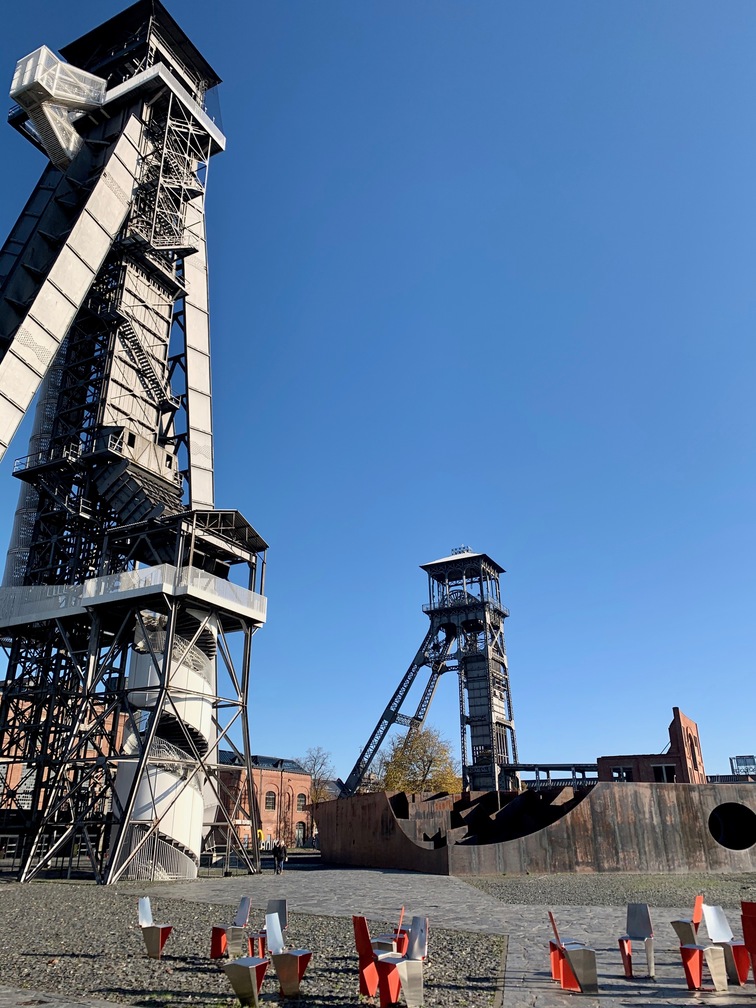
Genk is a dynamic city in Belgian Limburg that has transformed from a coal mining center into a green, modern destination. The highlight is Bokrijk, an expansive open-air museum featuring over 130 authentic historical buildings that bring Flemish history to life. Nature lovers can explore the Hoge Kempen National Park, Belgium’s only national park, with its heathlands, forests, and reclaimed mining landscapes. The C-mine cultural complex, built on a former coal mine site, offers exhibitions, cinema, climbing facilities, and underground mine tours that reveal the city’s industrial heritage.
Beyond these attractions, Genk’s revitalized city center features modern shopping, cafes, and multicultural restaurants. Cycling enthusiasts will appreciate Limburg’s extensive route network, while Kattevennen recreational area offers lakes, walking paths, and wildlife observation. Families can enjoy Molenvijver park with its playgrounds and water features, and motorsport fans have nearby Circuit Zolder. Genk’s commitment to green spaces has made it one of Belgium’s greenest cities, uniquely combining industrial heritage, culture, and nature.
Practical Info & FAQs
Where to stay
We always chose to stay in Landal Mooi Zutendaal whenever we stay in Limburg. We find this area very family-friendly, and this is especially true for this Landal park.
Landal Mooi Zutendaal is a holiday park located in Zutendaal, in the Belgian province of Limburg, offering a peaceful retreat surrounded by nature. The park features comfortable holiday homes and bungalows suitable for families and groups, with modern amenities and outdoor terraces. Guests can enjoy various recreational facilities including an indoor swimming pool, playgrounds, and access to cycling and walking routes through the surrounding Limburg countryside. The location is ideal for exploring nearby attractions such as Bokrijk open-air museum, the Hoge Kempen National Park, and the historic city of Maastricht just across the Dutch border. Landal Mooi Zutendaal provides a relaxing base for those wanting to experience the natural beauty and cultural heritage of the Limburg region.
Travel Tips
- Rent a bike. Limburg has an exceptional cycling infrastructure with a unique numbered junction system that makes planning routes incredibly easy. This is the best way to explore the countryside and natural areas.
- Visit in spring or autumn. These seasons offer mild weather, fewer crowds, and beautiful landscapes, with spring bringing blossoms and autumn offering colorful forests and heathlands.
- Explore Hoge Kempen National Park. Belgium’s only national park offers stunning heathlands, forests, and former mining landscapes with excellent hiking and cycling trails.
- Try local specialties. Don’t miss Limburgse vlaai (fruit pie), fresh asparagus in season, and regional jenever (gin). The region is also known for its fruit orchards and local breweries.
- Bring cash for smaller villages. While cards are widely accepted in cities, some rural restaurants and attractions may prefer cash payment.
- Plan around Monday closures. Many attractions, restaurants, and shops close on Mondays, so check opening hours in advance.
- Consider it as a base for day trips. Limburg’s central location makes it perfect for visiting Maastricht, Liège, Aachen, or other nearby Belgian towns.
- Rent a car for flexibility. While public transport connects major towns like Hasselt and Genk, having a car gives you much better access to smaller villages and natural areas.
- Book accommodation in advance during peak season. Summer weekends and holiday periods can get busy, especially at popular holiday parks and hotels near attractions.

 What's Up With Perpie Lately